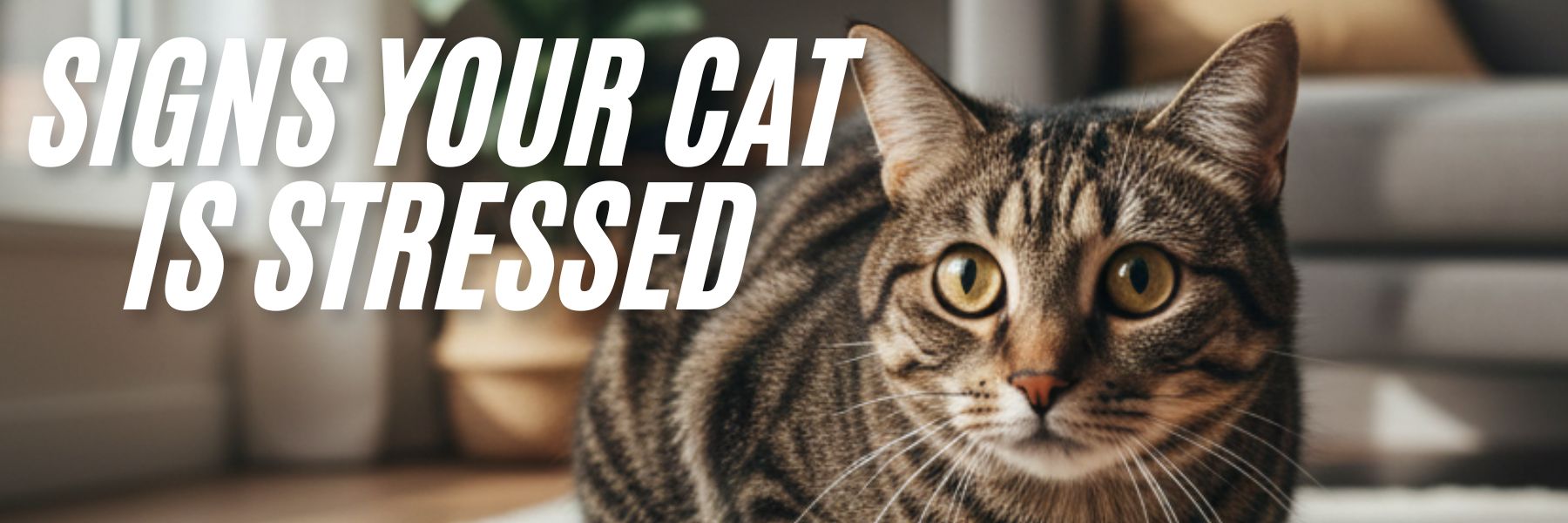
Signs your cat is stressed can be many, but in this guide, we will discuss the top 9 signs that I personally noticed in my own cat during stressful periods. When a cat is under stress, it may begin to distance itself from you and display behaviours that disrupt its daily routine. By understanding these signs, you can better support your cat and help guide it toward a calmer, happier, and more comfortable life.
Understanding Stress and Emotions in Cats
Cats are very skilled at hiding their emotions, but when they are stressed, they do show certain signs such as flattened ears and dilated pupils. A cat’s emotional health plays a major and important role in its overall well-being. Prolonged anxiety can lead to stomach upset, skin problems, and digestive issues.
Feelings of stress in cats often arise due to common household factors such as litter box issues, unfamiliar scents, changes in their environment, or the arrival of a new family member. By providing calm spaces and maintaining familiar scents at home, you can help reduce your cat’s stress and help it feel more secure.
Why Is Your Cat Stressed?
Cat stress can be caused by many factors, especially environmental triggers such as fireworks, loud noises, and sudden sounds. In addition, changes at home—such as moving to a new house with your cat, the arrival of a new family member, or living in a multi-cat household—can also lead to stress.
Stress is more likely when there are too many cats but not enough resources, such as food bowls or litter boxes. Studies have shown that, unlike dogs, cats are not naturally social animals. Because of this, even small changes in their environment can quickly turn into significant sources of stress for them.
9 Common Signs Your Cat Is Stressed
Identifying the signs of stress in cats and understanding how to help them requires careful observation of both their body language and emotional health. By recognizing these signs early, you can support your cat before the problem worsens. It is important to watch for behavioural changes, such as increased aggression or unusual reactions.
In addition, signs of stress in cats can often develop into physical illnesses, including reduced or loss of appetite and digestive problems. Veterinary studies have shown that stressed cats are more likely to suffer from conditions such as cystitis, a painful urinary tract disorder.
Understand Cat Body Language
Learn to read tail movements, ear positions, and facial cues to better understand your cat’s emotions and needs.
When your cat starts meowing excessively, the increase in vocalization can be a clear sign of distress. Cats often make unusual sounds or meow more than usual when they are in pain, discomfort, or under stress.
You may notice this change particularly during loud or chaotic situations, such as fireworks or nearby construction. At such times, loud noises can become a significant source of stress for cats.
2. Excessive Grooming or Over-grooming
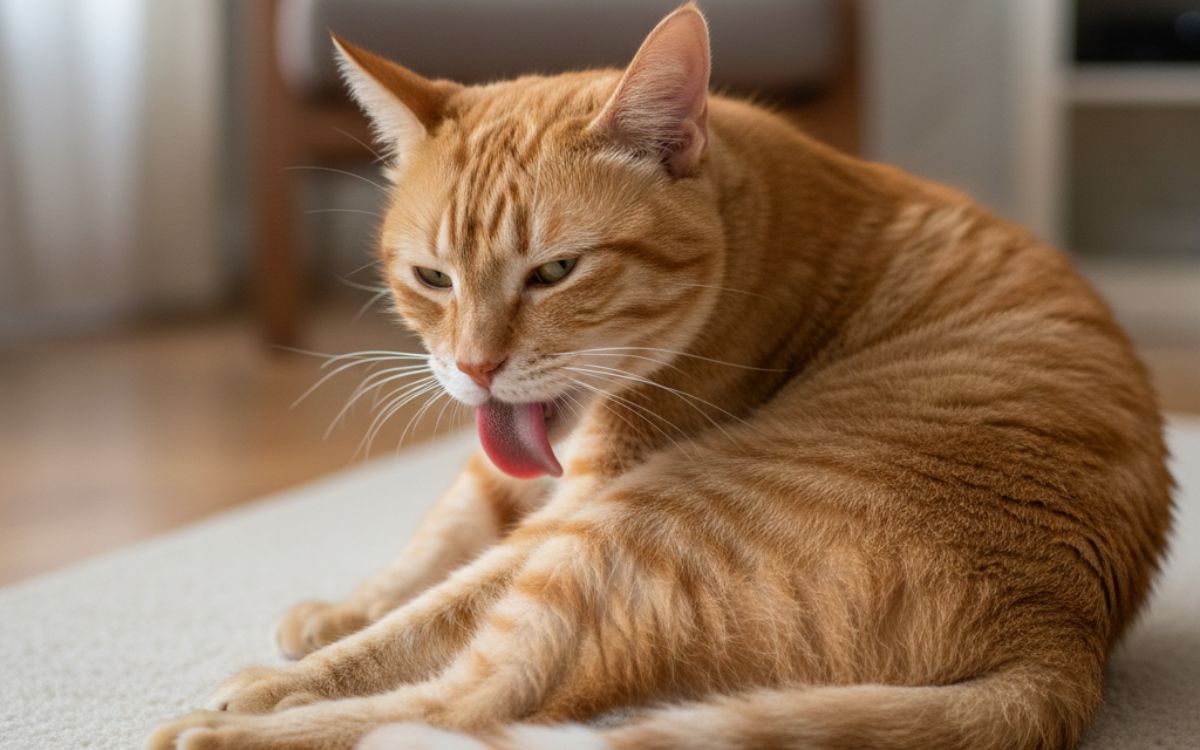
When cats are under stress, they often engage in excessive grooming. This over-grooming can lead to bald patches or sores, which may eventually result in skin infections.
To help redirect their focus and reduce stress, introduce their favourite toys or use calming aids such as pheromone diffusers .
3. Urinating or Spraying Outside the Litter Box
When a cat urinates outside the litter tray, it is often linked to cystitis, a condition that is commonly associated with stress. This stress may be triggered by environmental changes or social factors. Inappropriate toileting behaviour usually occurs when cats are feeling anxious or unsettled.
You can help reduce your cat’s stress by thoroughly cleaning the affected areas and providing a calm, secure environment. If possible, consider adding one or two extra litter trays to give your cat more comfortable and stress-free options.
4. Aggression or Irritability
Sudden aggression in cats, such as hissing or swatting, is often a sign of anxiety or stress. These behavioural changes may be triggered by the arrival of a new animal in the home or by unfamiliar scents.
During such times, it is important to provide your cat with a calm and reassuring environment and to help redirect these stressful moments into positive playtime activities.
How to Calm Cat Aggression
Discover proven techniques to reduce aggressive behaviour, identify triggers, and create a calmer, safer home environment.
Cats often hide in dark corners or inside furniture when they are stressed. They seek out safe, secluded spaces where they feel protected and tend to stay there until they feel secure. During these times, it’s important to manage them gently and avoid forcing interaction or conversation, allowing them to come out in their own time.
6. Low Energy or Lethargy
A decrease in activity, often referred to as lethargy or low energy, can be a sign of stress or anxiety in cats. You may notice this when your usually playful cat sleeps excessively or ignores its favourite toys.
To help lift your cat’s mood, try introducing short, gentle play sessions. If this low energy persists, it is important to consult a veterinarian to rule out any underlying health issues.
7. Reduced Appetite and Water Intake
A decrease in appetite or water intake, which can lead to weight loss or dehydration, is often one of the earliest signs of stress in cats. You can help by offering their favourite meals and providing fresh water, ideally through a cat water fountain to encourage drinking. It’s also important to monitor their food and water intake closely to ensure they stay healthy.
8. Digestive Issues (Diarrhoea and Vomiting)
Digestive issues such as diarrhoea or vomiting can be signs of stress, as stress directly affects a cat’s gut and can lead to a variety of health problems. During these times, it’s important to provide a light, easily digestible diet and maintain a calm, stress-free environment to help your cat recover and feel more comfortable.
9. Depressed or Anxious
Appearing depressed or anxious with droopy posture or pacing reveals inner turmoil. This emotional state stems from ongoing stressors, affecting cat emotional health. Provide comfort through routine and affection. A cat behaviourist can offer tailored strategies for relief.
How to Help a Stressed Cat
Create a Safe and Calm Environment
To create a safe and calm environment for your cat, make use of boxes or cat trees. Set up these spaces in areas with dim lighting and minimal noise. Such arrangements are crucial for stressed cats, as they help reduce environmental stress and provide a secure retreat where the cat can relax.
Maintain Routine and Familiarity
Establish a regular schedule for feeding and playtime. If you want to introduce new activities, start with short sessions and always reward positive behaviour with treats. Keep items or toys that may increase stress out of reach during stressful periods. Providing familiar blankets during these times can help your cat feel safe and comforted.
Cat Care Daily Routine
Build a healthy daily routine covering feeding, grooming, play, and rest to keep your cat happy and stress-free.
Respect your cat’s boundaries. If your cat hides inside furniture, do not forcefully pull her out. Instead, give her time to initiate contact on her own. This approach helps build trust and can significantly reduce aggressive or defensive behaviour.
Use Calming Aids
To help alleviate your cat’s stress, use calming tools such as a Feliway diffuser. These diffusers reduce stress through soothing scents that mimic the comfort provided by a mother cat. In addition, creating a calm and supportive environment further promotes your cat’s well-being and aids in faster recovery from stress.
When to Seek Professional Help
If your cat continues to show signs of stress despite your best efforts at home, seeking professional guidance becomes essential. A veterinarian can first assess your cat’s overall health and identify any underlying medical issues.
Signs such as weight loss or persistent aggression are indicators that your cat may need extra care. By paying attention to stress signs early, you can prevent more serious problems from developing later. For more, visit Cats Protection.
Don’t hesitate; facts show timely help improves outcomes significantly. Resources like behaviour consultations address root causes effectively.
Final Thoughts: Supporting Your Cat’s Emotional Wellbeing
In this guide, we have explored nine key signs that indicate stress in cats. From my personal experience, the most noticeable sign in my cat was excessive vocalization. Loud noises in the surrounding environment triggered fear, causing her to hide.
By carefully observing your own cat, you can identify similar signs of stress and take appropriate steps to provide a safe, calm, and supportive environment. For additional tips, check PDSA advice.
FAQS
How do you help a stressed cat?
Provide a calm environment, maintain routines, offer safe hiding spots, use pheromone diffusers, and play gently to reduce anxiety.
What is the 3-3-3 rule for cats?
It’s a guideline for adopted cats: 3 days to decompress, 3 weeks to learn routines, 3 months to fully settle and bond.
How can you tell if a cat is stressed?
Look for hiding, excessive grooming, urinating outside the litter tray, aggression, reduced appetite, or increased vocalisation and lethargy.
How to make a sad cat happy?
? Engage in daily play, offer treats and affection, provide enrichment like toys or windows, and ensure routine for comfort and stimulation.
Alvina is a dedicated cat owner and feline care enthusiast with hands-on experience caring for multiple cats. She shares practical, research-backed guidance on cat training, nutrition, and behaviour through KittyCornerBlog, helping cat parents make informed, responsible care decisions.
6 Life Lessons My Cat Taught Me About Happiness My cat taught me that happiness comes from self-acceptance, embracing individuality, and stopping comparisons to build lasting self-respect.