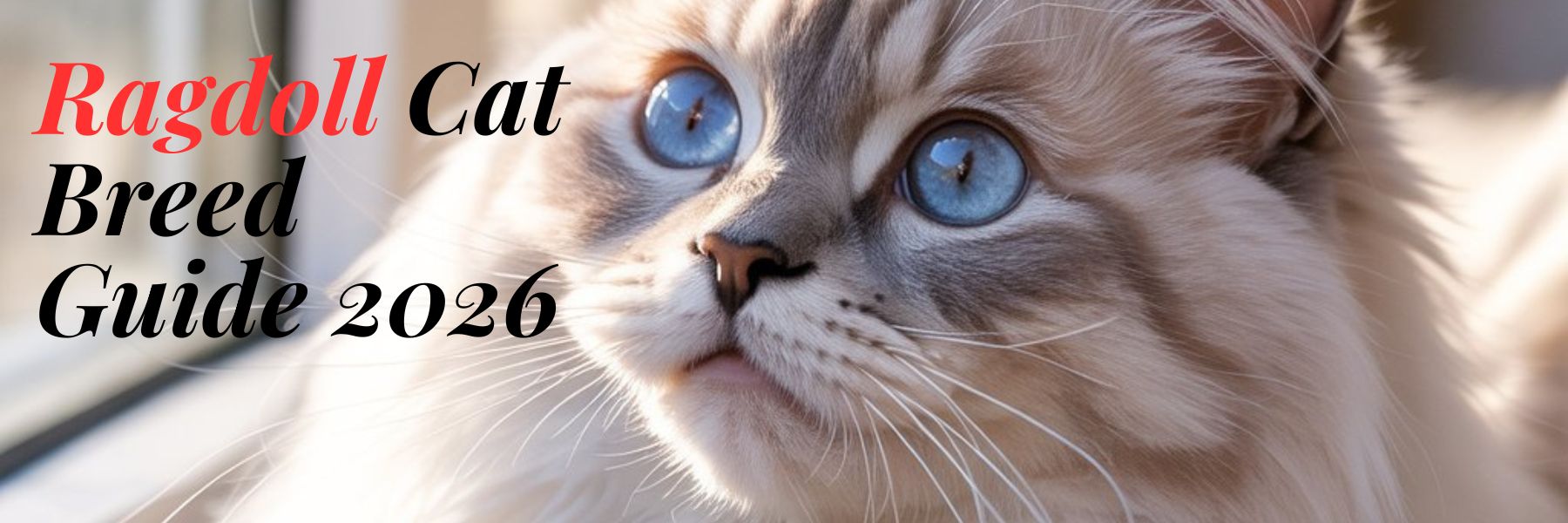
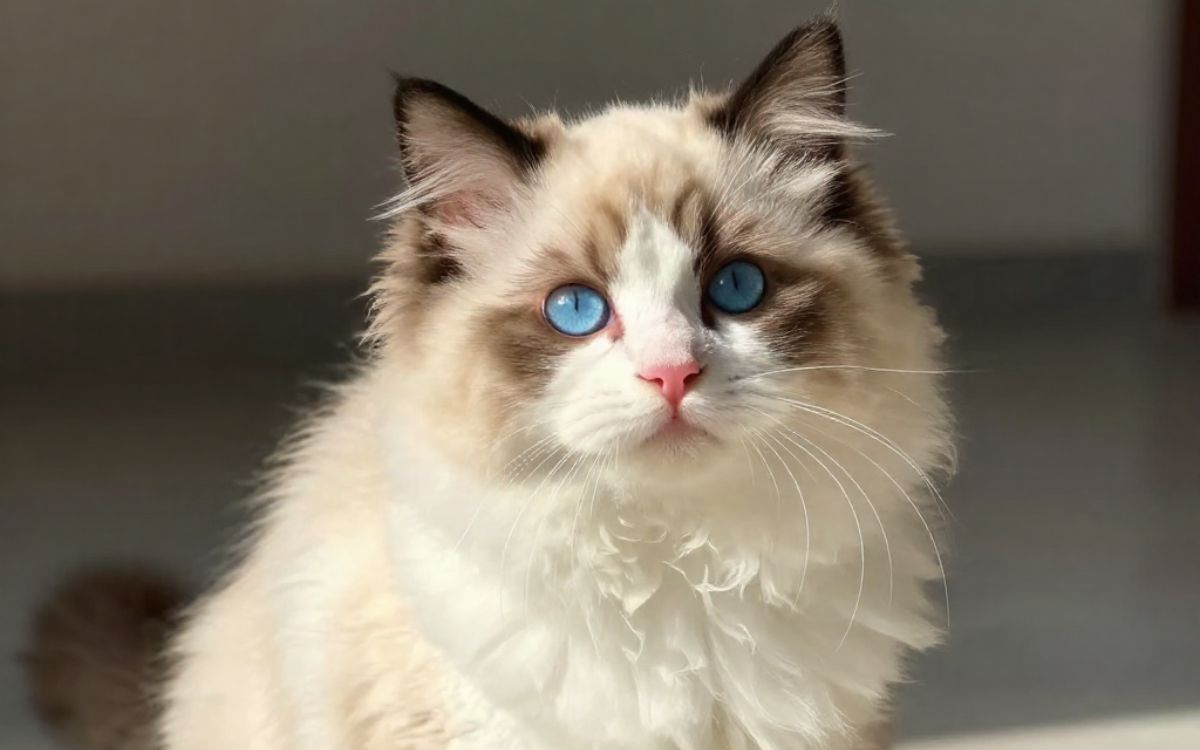
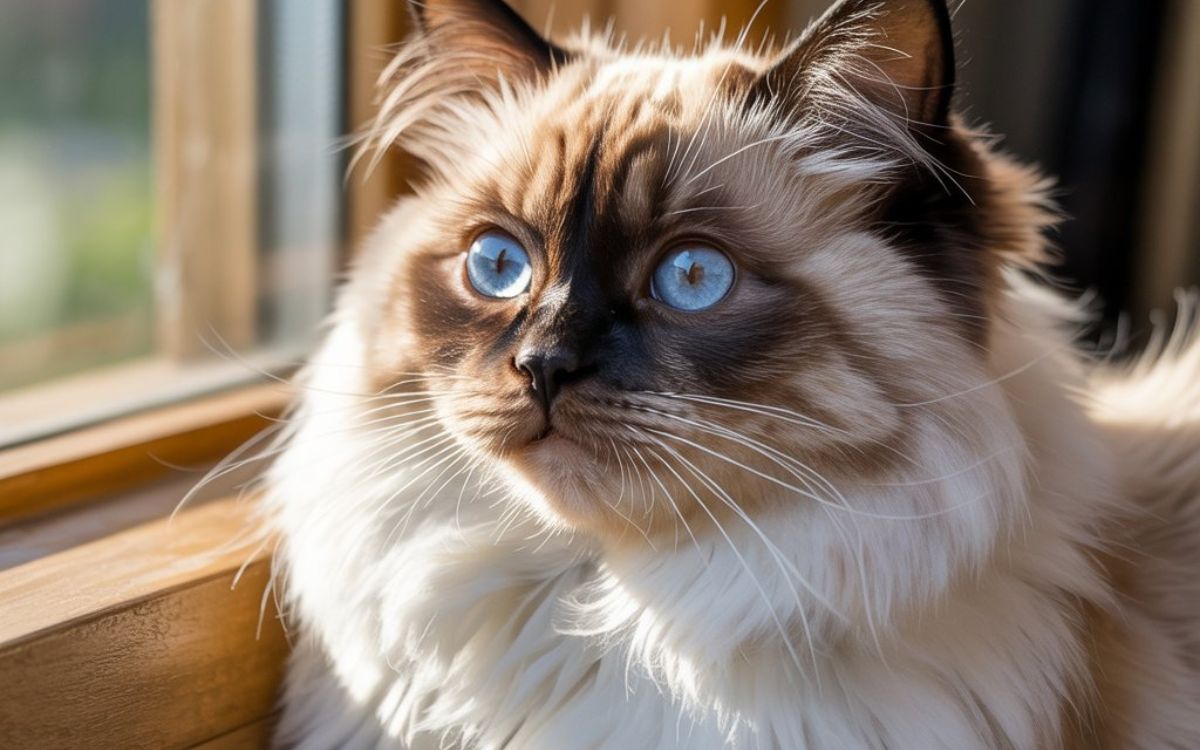
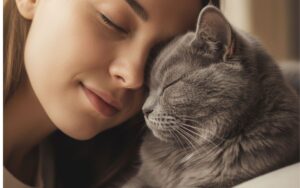
Ragdoll cats are very famous for their colourful eyes and their loyalty. If you want a loyal companion, then the Ragdoll is the best choice for you. In this 2026 Ragdoll guide, I will discuss complete information about the Ragdoll breed, including its weight, colour, size, lifespan, health care, personality, and overall everything. So that by knowing more about them, you can live a better life with them.
Quick Facts About the Ragdoll Cat
Size
10 to 11 inches
Weight
10 to 20 pounds (males often heavier)
Lifespan
17 to 18 years
Coat Type
Semi-long, silky, plush
Eye Colour
Striking blue (all purebred Ragdolls have blue eyes)
Coat Colours
Seal, blue, chocolate, lilac, red, cream
Temperament
Gentle, calm, affectionate, relaxed
Body Structure
Large, muscular frame with broad chest and proportionate legs
Coat Length & Texture
Medium to long, soft and dense with minimal undercoat
Ideal Home Type
Family-oriented, indoor spaces with plenty of love and interaction
Ragdoll Patterns
Colourpoint, Mitted, Bicolour, Van
What Makes the Ragdoll Cat So Unique?
The “floppy” behaviour of Ragdolls makes them unique. When someone picks them up, they completely relax, just like their name suggests. This special trait sets them apart from other cats.
They are very loyal and become deeply attached to their owners and humans, often following their owners around just like dogs.
Ragdoll Cat Origin Story (How the Breed Began)
Ragdoll cats trace their origins back to California in the 1960s. They are a man-made breed. The purpose of creating this breed was to develop an affectionate and charming cat. The breeder Ann Baker started with a white cat named Josephine, who developed unique traits after an accident.
She crossed her with cats like Burmese and Birman ( Burma) to enhance the loving and gentle behaviour of this breed. Ragdolls are very famous for their extremely calm and relaxed temperament.
Ragdoll Cat Personality – Calm, Loving, and Social
These charming Ragdoll cats love spending time with their people, cuddling, and staying close to them. Their energy level is not very high, and they prefer calm and quiet play. If they need to communicate, they do so in a soft voice with a gentle tone, which makes them ideal companions.
Is a Ragdoll Cat Right for Your Home?
Ragdolls With Children
Due to their gentle nature, Ragdolls enjoy being around children and take great pleasure in the energy that children bring. However, as long as children are taught to handle them respectfully and treat them gently, Ragdolls can enjoy their time with them comfortably and happily.
Ragdolls with Other Pets
Animals often appear very excited after meeting one another, and Ragdoll cats are no different. Their social personality helps them interact quickly with other animals, and their calm behaviour helps reduce stress in the environment.
Indoor-Only or Outdoor Cats?
Keeping Ragdoll cats indoors protects their trusting nature from traffic and predators. They are meant to be indoor cats, and even if they don’t go outside, they happily enjoy watching birds fly by through windows, feeling the fresh air, and soaking in the sunlight.
By keeping them indoors, we help increase their lifespan, because they are not smart or streetwise enough to face outdoor dangers like other cats. Ragdoll cats do need enough space in the home, but at the same time, they prefer staying close to their family and their people.
Daily Care Needs of a Ragdoll Cat
A daily routine for a Ragdoll includes feeding, playtime, and setting aside loving time for bonding. Puzzle feeders help reduce boredom and sharpen their minds. For exercise, active games like chasing feathers keep them fit. Include such games that imitate hunting, so your companion becomes fully energised while trying to catch the “prey.”
Ragdoll Grooming Without Stress
Coat Care and Brushing Routine
Ragdoll cats have a very fine coat with a single layer, meaning they do not have an inner undercoat. Therefore, brushing them twice a week is enough. After combing, give them a treat so that next time your companion feels they have done a good job. Be sure to comb the underarms and belly properly, because knots form easily in these areas.
Shedding Seasons Explained
In the autumn and spring seasons, their fur sheds a lot, so they need extra care during these times. Therefore, increase grooming to manage the loose hair and include healthy food in their routine.
Nail, Ear, and Eye Care Basics
Trim your cat’s nails monthly and include a scratching post in their routine. Clean their ears weekly, and to prevent marks around the eyes, regularly clean their eyes with soft pet wipes.
How to Prevent Matting Naturally
Prevent matting by keeping fur dry, adding fish oils to meals, and brushing consistently. Avoid tight collars that rub. Natural methods like humidity control help maintain their coat’s texture without chemicals.
What Should a Ragdoll Cat Eat?
Wet Food VS Dry Food for Ragdolls
Serve a mix of wet and dry food because cats drink very little water, which can cause them to face problems like dehydration. This mixed food will help keep their bodies healthy and make up for the lack of water in them. Provide food full of nutrition according to their size, because they are carnivorous creatures.
How Much Food Does a Ragdoll Need Daily?
An adult Ragdoll needs 200 to 300 calories per day. Divide their food into 2 to 3 portions. Instead of offering a large amount of food at once, provide smaller portions spread across these meals. While ensuring balanced nutrition, monitor their weight carefully to keep it at a healthy level.
Feeding Tips to Prevent Obesity
To prevent weight gain, use measured feeders and schedule a play session after feeding.
Obesity In Cats
Cat obesity is a growing health issue caused by overfeeding, lack of exercise, and poor diet, increasing the risk of diabetes, joint problems, and heart disease.
Hypertrophic cardiomyopathy (HCM) causes the heart walls of Ragdolls to thicken. In fact, it is a genetic issue, and testing for it is done through a DNA test. Medicine helps in managing the symptoms, and regular vet visits help improve the lifespan and overall health of your furry friend.
Bladder and Urinary Issues
Urinary tract problems like stones cause pain; males are more at risk. Special diets and plenty of water prevent them. Symptoms include straining; prompt care avoids complications.
Weight Gain and Joint Problems
Weight gain can lead to joint problems, which are often seen in senior cats, increasing the risk of arthritis if not addressed in time. Therefore, providing balanced nutrition and including regular play and exercise in their routine helps keep your furry friend healthy.
Skin and Seasonal Allergies
Seasonal allergies in cats cause itchy skin; bathe gently and avoid allergy foods. Monitor for flares in changing weather. For health tips, see PetMD Ragdoll.
Can You Train a Ragdoll Cat?
Litter Training and Good Habits
Ragdoll cats learn training quickly if it is done with patience, mental encouragement, and immediate rewards like treats. During training, it is extremely important to keep the litter box clean, because these cats prefer cleanliness.
Clicker Training and Tricks
To help cats recognise their name or to train them for small commands like “sit” or “go,” use a clicker and give an immediate treat when they respond. Always call them by their name for every command or interaction.
Clicker Train Your Cat
Clicker training is a positive, reward-based method that helps cats learn behaviours quickly, improve focus, and build trust through clear communication and consistency.
In 2026, the price of a Ragdoll kitten ranges from £550 to £2,500, depending on the pedigree. On the other hand, adoption fees are cheaper compared to buying directly, usually ranging from £40 to £200.
Choosing a Reputable Breeder
Select breeders with TICA registration and health screenings. Visit facilities and check references for ethical practices.
Adoption vs Buying – What’s Better?
Adoption rescues and is cheaper; buying guarantees traits. Both provide loving cats if chosen wisely.
Things to Consider Before Getting One
Think about time, space, and ongoing costs like vet bills. Ragdolls need daily interaction for happiness.
Red Flags to Avoid When Buying
Beware low prices or no health papers; demand full transparency to avoid scams.
Pros and Cons of Owning a Ragdoll Cat
Pros of owning a Ragdoll include their endless affection and easy-going personality, making them perfect for cuddles and family life. They bond deeply, bringing warmth and loyalty like few other breeds.
Cons involve regular grooming to handle their fur and watching for health concerns from issues like HCM. Potential owners should weigh these in this guide. Unique in 2026, advanced screenings reduce risks, enhancing pros. For more on breeds, check the CFA Ragdoll.
Final Thoughts – Is the Ragdoll Cat Worth It in 2026?
So, in conclusion, you now have complete information about your Ragdoll cat—from their size, colour, and weight to the possible health issues they may face and how to take care of them.
If you can manage their litter and hygiene properly, a Ragdoll is an excellent pet that will fill your life with joy and win your heart with their affectionate nature. When buying a Ragdoll, it is very important to check their vaccination and health certificates.
Although this cat is very attractive and highly affectionate, it also requires proper care, and unlike some other cats, it is not naturally prepared to face many dangers, so it is best to keep them indoors whenever possible. Their thin coat also requires extra care during winter.
FAQs
Are Ragdoll cats hypoallergenic?
Ragdoll cats are not hypoallergenic; they shed moderately and produce allergens, requiring regular grooming to manage dander.
How long do Ragdoll cats live?
Ragdoll cats typically live between 12 to 17 years with proper nutrition, indoor living, and regular veterinary care.
Are Ragdolls high maintenance?
Ragdolls are moderately low maintenance, needing routine grooming, social interaction, and balanced feeding rather than constant care.
What is a Ragdoll cat?
A Ragdoll cat is a large, affectionate breed known for blue eyes, soft coats, and relaxed behaviour when handled.
What is so special about Ragdoll cats?
Ragdoll cats are special for their gentle nature, dog-like loyalty, floppy posture when held, and strong bonds with owners.
Is Ragdoll a lazy cat?
Ragdolls are calm rather than lazy, enjoying short play sessions followed by long periods of relaxation and cuddling.
Alvina is a dedicated cat owner and feline care enthusiast with hands-on experience caring for multiple cats. She shares practical, research-backed guidance on cat training, nutrition, and behaviour through KittyCornerBlog, helping cat parents make informed, responsible care decisions.
Persian Cat Breed Guide 2026 Persian cat breed 2026 guide with expert tips on care, grooming, feeding, health problems, and temperament.
10 Proven Mental Health Benefits of Having a Cat Mental health benefits of having a cat include reducing stress, improving mood, providing companionship, and supporting overall emotional wellbeing for…