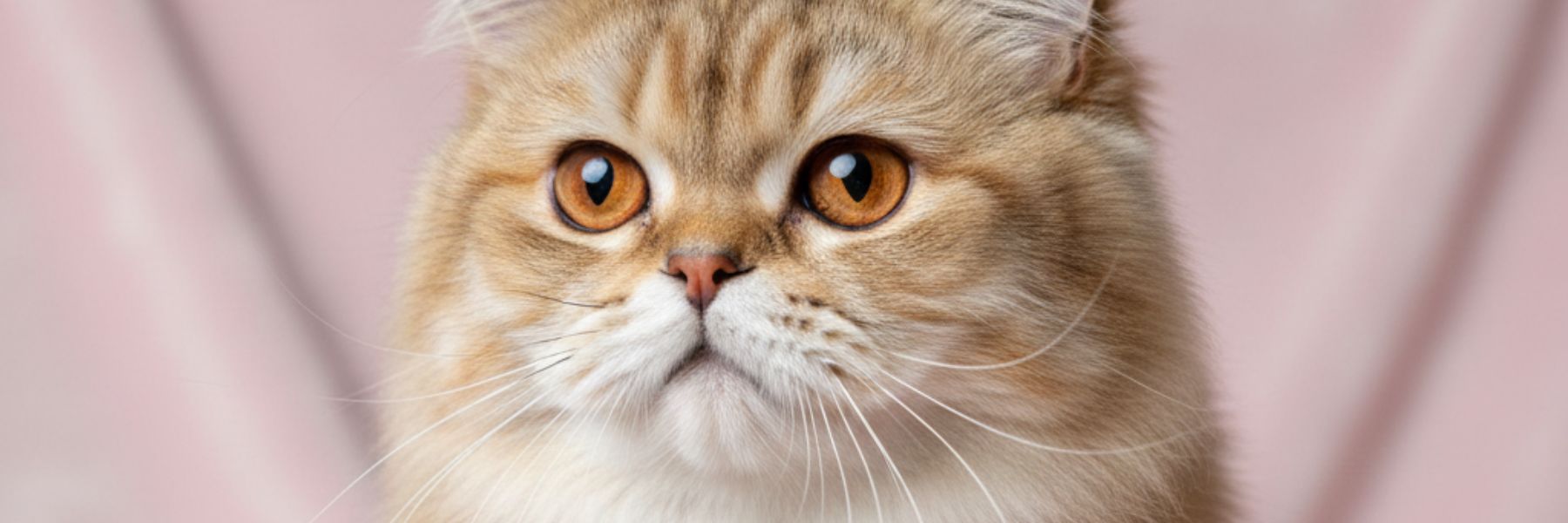
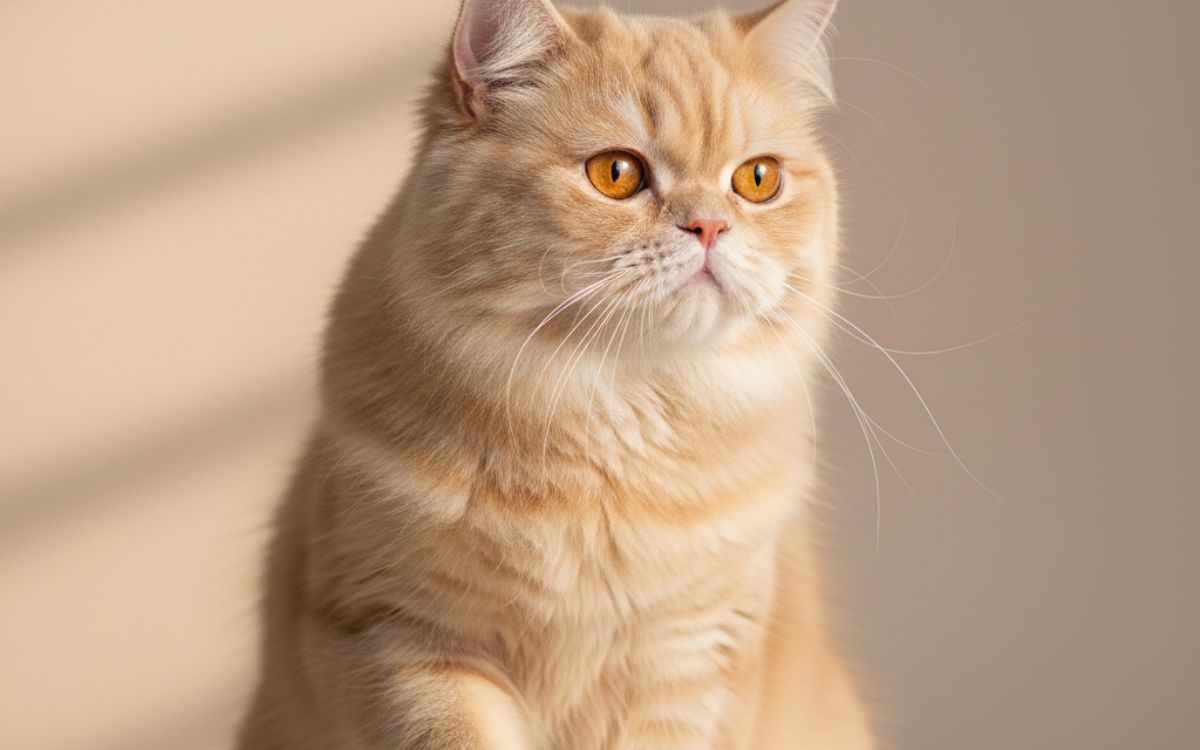
Persian cats trace their origins back to ancient Persia, where they were cherished for their elegant appearance and calm, gentle temperament. Their striking beauty quickly won hearts, making them highly admired companions. During the 1600s, explorers introduced Persian cats to Europe, where their popularity continued to grow.
These cats thrive in peaceful, comfortable home environments. Recent facts show that they rank third in popularity in 2026, a notable rise from their fifth-place ranking just a few years ago.
Persian Cat Characteristics
Appearance
Persian cats develop with rounded heads and sturdy, well-built bodies. Their large, expressive eyes and short legs give them a doll-like appearance, making them especially charming and appealing. However, their flat facial structure requires extra care to prevent health-related issues.
Coat
This long-haired breed has a thick, silky coat that flows elegantly. However, to keep the coat healthy, regular brushing is essential to remove dead hair. Proper grooming helps maintain the coat’s shine and fullness.
Colours & Patterns
Persian cats come in a wide range of colours and patterns, from pure white to tabby stripes, as well as bicolour and shaded varieties. Rare tones such as lilac and chocolate add to their uniqueness and appeal.
Body Structure
Persian cats have a strong, well-built structure, typically weighing between 3 and 5 kilograms and standing about 25 to 38 centimetres tall. Their short torso and sturdy, thick legs provide solid support to their frame.
Persian Cat Temperament & Personality
Personality Traits
These cats have a calm, gentle, and affectionate personality. They quickly form a strong bond with their owners, which further enhances their loving and endearing nature.
Activity Level
Persian cats have a low energy level, which means they do not engage in long play sessions. Instead, they enjoy short bursts of activity, often playing with feather toys. Even in these brief moments, they appear fully active and engaged.
Social Behaviour
They share a deep bond with their owners, enjoying cuddles and gentle play. Overall, they are known for their calm and relaxed nature.
Persian Cat Lifespan
Persian cats typically live 12 to 18 years, with an average lifespanof about 14 years. To ensure a long and healthy life, they require attentive care, regular veterinary visits, and proper grooming. Routine check-ups help detect potential health issues early.
Persian Cat Health Issues
Hydrocephalus
When fluid accumulates in the brain, some kittens develop headaches and seizures. By recognising the early signs, you can prevent future complications, and treatment with medicine can be done easily. For detailed health tips, visit Trupanion’s breed guide.
Brachycephalic Airway Syndrome
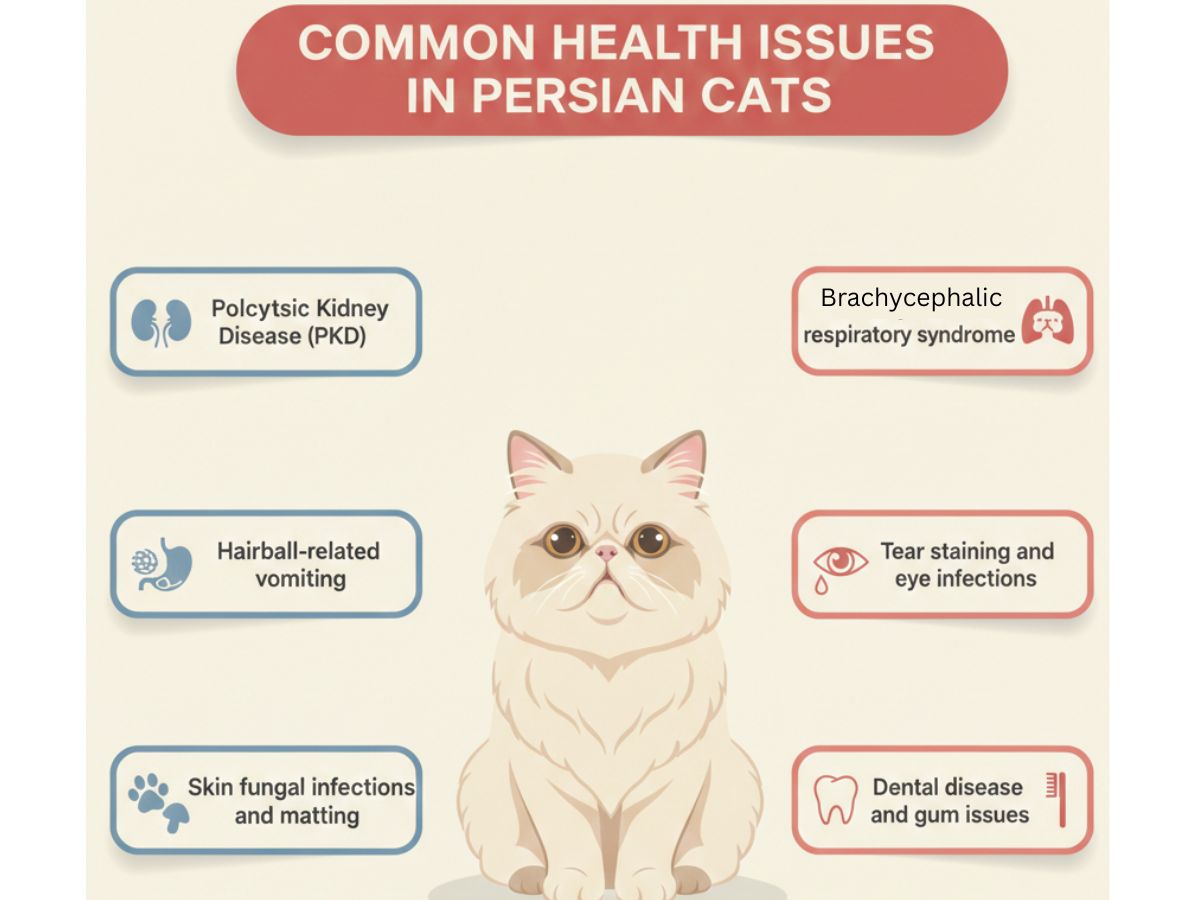
Flat-faced cats are prone to breathing troubles and heat sensitivity, with symptoms such as snoring. Surgery helps severe cases; keep them cool and limit exercise for comfort.
Skin and Coat Disorders
Fungal infections and matting affect their fur. Persian cat health problems include these, prevented by grooming with vet shampoos for healthy skin.
Polycystic Kidney Disease (PKD)
Genetic cysts harm the kidneys gradually. DNA tests identify carriers; early ultrasounds monitor. In 2026, advanced screening reduces prevalence among breeders.
Progressive Retinal Atrophy (PRA)
Vision loss starts with night blindness. Adapt homes with fixed layouts; genetic testing avoids this in new generations.
Dental Disease
Crowded teeth lead to plaque. Persian cat dental problems require daily brushing and cleanings to prevent pain, using dental treats for support.
Persian Cat Grooming Guide
Keeping your cat’s skin and coat healthy is your responsibility. Therefore, you should bathe your cat every 4–6 weeks using a vet-recommended shampoo. In addition, regular brushing is very important to keep their skin and coat shiny and strong. For more on grooming tools, check this guide
Next is eye care: for this, you can use pet wipes or a soft cloth. Clean tear stains around the eyes twice a day.
Clean the ears weekly. For this, you can use cotton buds—after putting vet-approved oil into the ear, gently clean the ears with the cotton buds.
Cat Grooming: 5 Easy Steps to Groom Your Cat
Cat grooming made easy covers simple, stress-free steps to keep your cat clean, healthy, and comfortable, including brushing, bathing, and basic hygiene care.
Give Persian cats high-protein food that meets their nutritional needs. You can also feed them a mix of dry and wet food. In addition, give higher priority to omega-rich nutrients to keep their coat healthy and in better condition.
How to Feed a Persian Cat
Arrange 2–3 meals per day for Persian cats, and 4 meals per day for kittens to help prevent obesity. Feeding too much at one time can negatively affect their health, whereas giving smaller meals at regular intervals helps maintain good health and improves digestion. Based on 40-45 calories per kilogram, adjusting for activity. Monitor weight to prevent excess in this relaxed breed.
How Much Should I Feed My Cat
This guide explains the right portion sizes based on age, weight, activity level, and diet type to maintain a healthy body condition.
Persian cats often use soft vocalisations to express their needs, such as when they want attention or are preparing for rest. Paying attention to these sounds is important, as it helps build trust between you and your cat.
To train your cat, you can use the clicker method and reward them with a treat when they respond to a command. Patience is essential during training, and sessions should be kept short—no longer than 10 minutes.
Ideal Environment for Persian Cats
Apartments suit Persian cats perfectly and meet their living needs well. A temperature range of around 20–24°C is ideal for them. During winter, maintaining their body temperature can be a challenge, so it is important to provide warm, comfortable bedding to keep them cosy.
Summary
This Persian cat breed guide covers all the information—from their elegant behaviour to their colours, nutrition, and grooming. If you are also considering keeping these cats in your home, it is truly a wonderful decision. These cats play an important role for seniors, elderly people, and individuals who live alone.
When people who live alone start living with these cats, they come to understand this special bond. They improve your mood, stay by your side in times of sadness, and win your heart with their innocent behaviour.
FAQS
Are Persian cats good pets?
Yes, Persian cats are gentle, calm companions, ideal for quiet homes with owners who can manage regular grooming.
Do Persian cats shed a lot?
Yes, Persian cats shed moderately to heavily due to long coats, especially without daily brushing.
Are Persian cats high maintenance?
Yes, Persian cats need daily grooming, eye cleaning, and regular vet care, making them a high-maintenance breed.
What health problems are common in Persian cats?
Common issues include breathing problems, polycystic kidney disease, eye disorders, dental disease, and skin infections.
Alvina is a dedicated cat owner and feline care enthusiast with hands-on experience caring for multiple cats. She shares practical, research-backed guidance on cat training, nutrition, and behaviour through KittyCornerBlog, helping cat parents make informed, responsible care decisions.
6 Life Lessons My Cat Taught Me About Happiness My cat taught me that happiness comes from self-acceptance, embracing individuality, and stopping comparisons to build lasting self-respect.