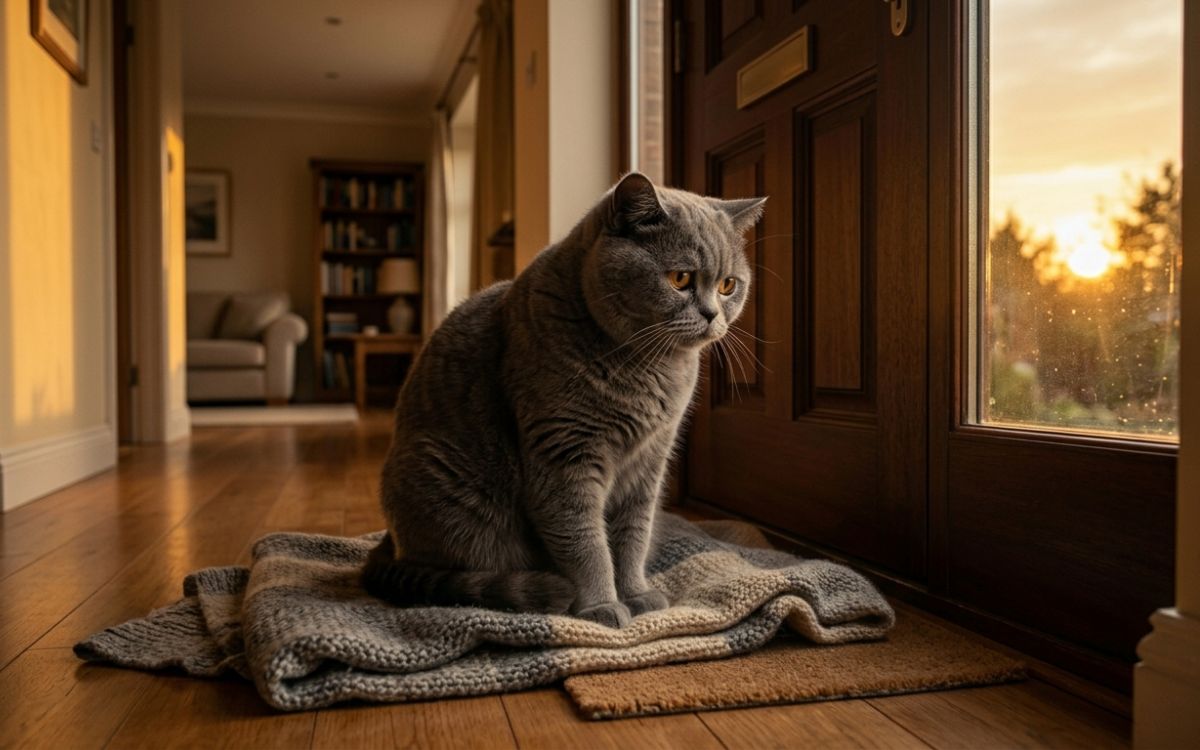
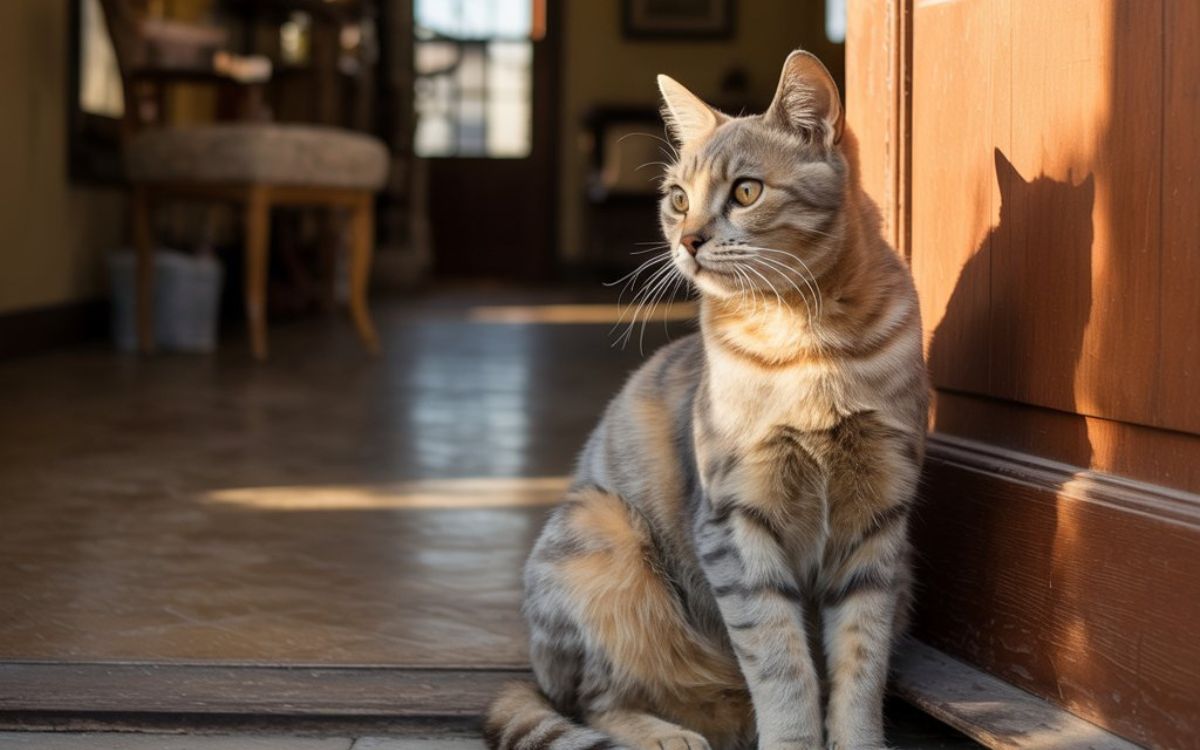
Sometimes you may wonder whether your cat feels lonely, or if she misses you when you leave home for work. Cats can develop a deep attachment to their people, and even a short separation can become a sad moment for them. There are some signs you may notice when your cat is feeling lonely, which we are going to discuss in this guide.
Is My Cat Lonely Without Another Cat?
Every cat thrives in a different kind of environment. Some need companionship, while others are perfectly happy being alone. You might think that adding another cat to your home will solve all problems, but remember—it depends on your pet’s personality and past experiences.
It’s possible that when a new cat arrives, your current cat may become aggressive or start fighting. Cats can also become stressed in such situations.
Introducing a new cat requires proper planning. If you give your pet enough attention and love, they can stay happy even without another cat—they simply need your time and affection.
Do Cats Get Lonely When You’re Gone?
Some pet parents ask whether pets feel our absence—so yes, absolutely. Many cats do feel your absence, especially when it’s for a longer time. Some cats feel it so deeply that they stop eating, drinking, and playing, and may even seem unwell for days.
This is something I’ve personally experienced. Recently, due to work commitments, I had to move my cat somewhere else for a while. During that time, she stopped doing everything—from eating to playing.
But as soon as she returned home, she started eating normally again, became active, and looked very happy. So in short, cats can manage short periods of separation, or may not feel them as strongly. But longer absences can make them sad or depressed.
Signs Your Cat Is Lonely
Over grooming
Your cat may excessively lick or groom itself as a coping mechanism for stress or loneliness, sometimes leading to hair loss, bald patches, or skin irritation.
Excessive vocalisation
A lonely cat may meow more than usual, often loudly or persistently, as a way of seeking attention, expressing distress, or calling out for its owner.
Destructive behaviour
Loneliness can cause cats to scratch furniture, knock things over, or damage household items as a way to release pent-up energy or frustration.
Aggression
A cat feeling isolated may become irritable or aggressive, showing sudden biting, scratching, or hissing behaviour toward people or other pets without obvious reasons.
Litter box issues
Lonely or stressed cats may stop using the litter box properly, either avoiding it or urinating in inappropriate places as a sign of emotional discomfort.
Loss of appetite
A noticeable decrease in eating or drinking can indicate sadness or loneliness, especially if your cat suddenly shows disinterest in food it usually enjoys.
Clinginess or withdrawal
Some cats become overly attached, constantly following you, while others may withdraw, hide, and avoid interaction—both behaviours can signal emotional distress and loneliness.
What Causes Loneliness in Cats?
Sudden changes like moving to a new home, being separated from the owner, or losing a companion can increase loneliness and stress. Cats are very routine-oriented, and even small changes in their daily schedule can make them feel upset or depressed. However, small adjustments and consistency can truly help improve their day and overall well-being.
How to Help a Lonely Cat (Proven Solutions)
Spend Quality Time Daily
Take out some time daily for your cat and play with them. Try interactive toys that satisfy their natural instincts. This quality time is very important for your pet, as it helps them feel less lonely and more emotionally secure.
Provide Mental & Physical Enrichment
Puzzle feeder toys and cat tree setups keep your cat busy. Add a scratching post, window perch and motion-activated toys for extra fun. Enrichment prevents boredom and supports better cat well-being during your time away.
Create a Comfortable Environment
Choose a soft, comfortable bed for your cat and place their favourite toys nearby so they can feel relaxed even in your absence. These items help recreate the warmth and comfort they associate with you, making them feel more secure.
Use Technology for Monitoring
Pet camera devices let you check on your cat from anywhere. You speak to them through the app during longer absences. This modern solution eases stress when separated and gives you peace of mind. For more expert advice on feline care visit the International Cat Care website here: https://icatcare.org/.
Maintain a Consistent Routine
Try your best to keep your cat’s regular schedule unchanged, as consistency helps reduce behaviour changes linked to loneliness. If you have to go somewhere, leave your pet with someone familiar who understands them and whom your cat trusts.
Avoid changing your cat’s environment or place, as this can increase stress. Pay attention to your pet’s small behavioural changes and make every possible effort to keep them happy and comfortable.
How Long Can Cats Stay Alone?
How long cats can stay alone depends on how long you leave them. Most adult cats can tolerate your absence for about 8 to 10 hours. Before leaving, make sure to provide fresh water, food, a clean litter box, a comfortable environment, and some toys so they don’t feel your absence as much.
Final Thoughts
In the end, our cats may not speak our language, but their hearts understand love, presence, and connection more deeply than we often realize. Behind their quiet nature lies a world of emotions—they miss us, wait for us, and find comfort in the little moments we share.
A few minutes of your time, a gentle touch, or simply being there can mean everything to them. So never underestimate your presence in their life—because for your cat, you are not just an owner… you are their whole world.
FAQs
How do you tell if your cat is lonely?
A lonely cat may become clingy, vocal, destructive, or withdrawn, showing changes in eating, grooming habits, and reduced interest in play.
What is the 3-3-3 rule of cats?
The 3-3-3 rule describes adjustment: 3 days to decompress, 3 weeks to settle, and 3 months to fully feel comfortable.
How do I know if my cat is depressed?
Depressed cats often lose appetite, sleep more, avoid interaction, stop grooming properly, and show little interest in activities they once enjoyed.
How do cats express loneliness?
Cats express loneliness through excessive meowing, attention-seeking behaviour, over-grooming, destructive actions, or becoming unusually quiet and withdrawn from surroundings.
Alvina is a dedicated cat owner and feline care enthusiast with hands-on experience caring for multiple cats. She shares practical, research-backed guidance on cat training, nutrition, and behaviour through KittyCornerBlog, helping cat parents make informed, responsible care decisions.
6 Life Lessons My Cat Taught Me About Happiness My cat taught me that happiness comes from self-acceptance, embracing individuality, and stopping comparisons to build lasting self-respect.