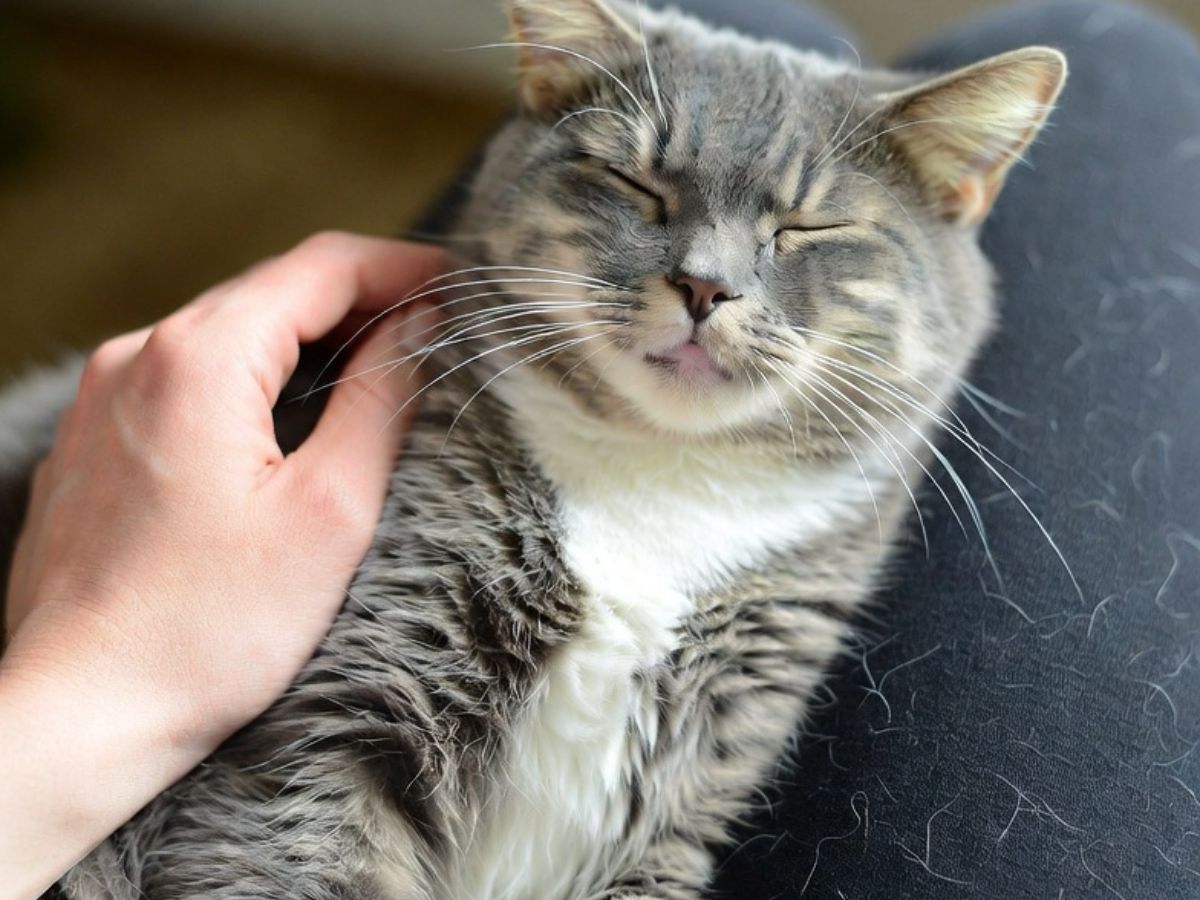
You are cat parents, but you have to face a daily challenge. You keep noticing cat hair on the things around you, including furniture, clothes, and the floor. Now, getting rid of it is also necessary, so in this guide, we will discuss how to get rid of cat hair from floors, clothes, and furniture.
Why Cats Shed So Much Hair
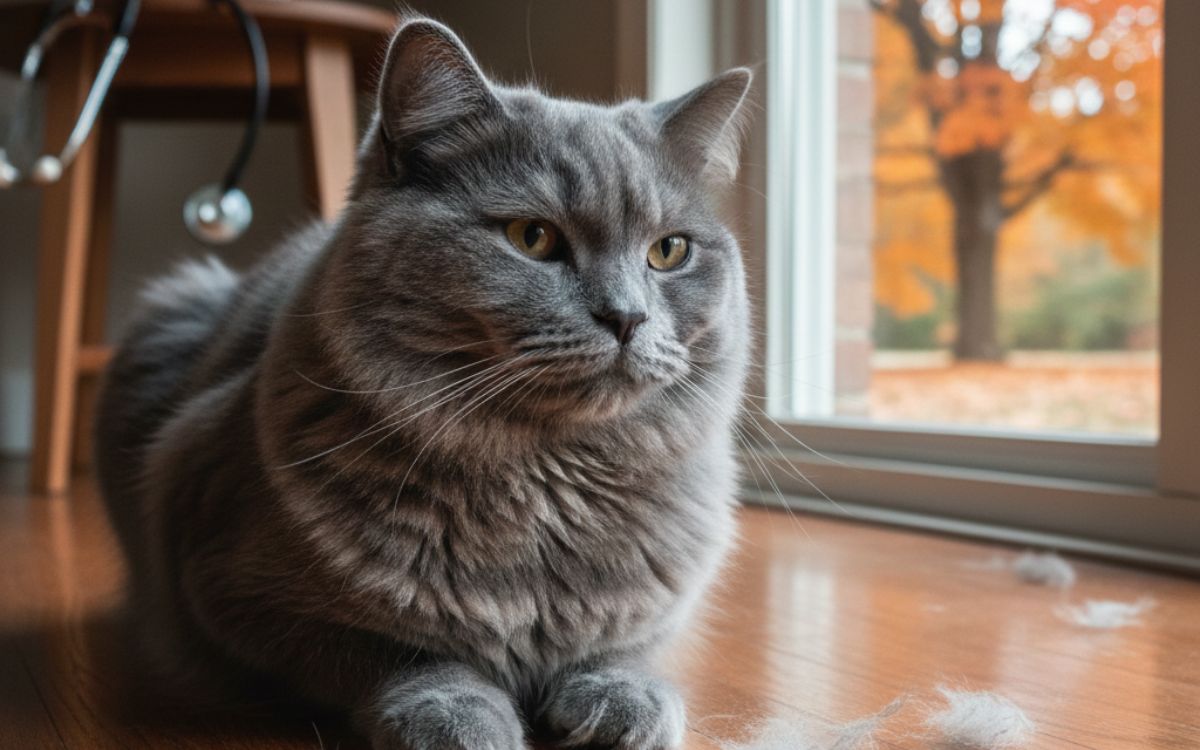
Cats grooming themselves is a natural process. It can cover your clean home with cat fur in seconds. Indoor cats groom themselves more because, due to lower indoor temperatures, they think the moulting season is going on.
This process keeps their coat healthy and adaptable. Besides this, breed also plays an important role—for example, Persian cats shed much more fur compared to British Shorthair cats.
Sometimes cats shed an excessive amount of fur, which is not normal, and consulting a vet immediately is a wise decision. Regular cat grooming is important for you, as it removes dead hair before it becomes matted. Facts show that most cats shed up to 100 hairs per day.
Cat Grooming: 5 Easy Steps To Groom Your Cat
Cat grooming helps keep your cat clean, healthy, and comfortable. This guide explains five simple grooming steps that reduce shedding, prevent mats, and support skin and coat health.
How to Get Cats to Shed Less (Prevention Comes First)
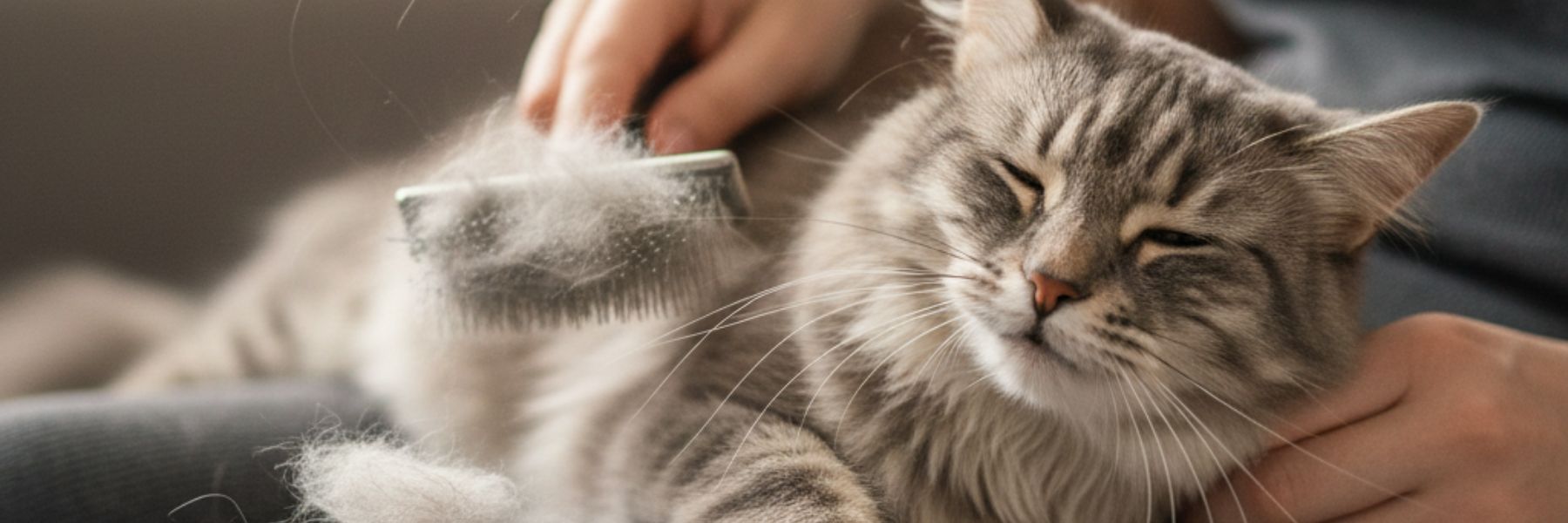
Regular grooming is essential for cats, and by doing this, you will notice less cat fur shedding. Long-haired cats need regular grooming, while short-haired cats should be groomed on alternate days.
Use a Furminator to gently remove the undercoat without irritating the skin. When the weather is pleasant, groom your cat outside, such as on a balcony. This unique cleaning technique prevents your home from getting covered in fur, which also reduces vacuuming time.
In addition, feed your cat fish oil with omega-3 fatty acids to help promote a healthy, shiny coat. To keep cats away from sofas, add scratching posts and cat trees, and place them in sunny spots. This will help keep your cat away from your furniture.
How to Remove Cat Hair from Clothes and Fabric
Using lint rollers, tape, or reusable hair removers
To remove fur stuck on trousers, use a lint roller. Roll it firmly in one direction to pick up the hair. In addition, use tape to remove fur from small areas. Wrap the tape around your fingers, then remove the fur—this tape technique works very effectively.
Tossing clothes in the dryer before washing
To remove fur from bed-sheets or clothes, use a dryer sheet and place the clothes in the dryer on low heat for about 10 minutes. The tumbling action leaves loose fur in the lint trap.
Washing clothes with white vinegar
Vinegar also works effectively to remove cat fur from clothes. Add half a cup of vinegar while washing the clothes. Vinegar is inexpensive and an excellent option for cat parents who want to get rid of hair from their clothes.
How to Remove Cat Hair from Furniture
Using a damp cloth or wet rubber glove
Rinse rubber gloves as needed and swipe them over upholstery. This technique is clean and hassle-free, and it’s ideal for quick touch-ups.
Vacuuming upholstery the right way
Use an upholstery vacuum attachment with a motorised brush head to agitate and suck up embedded hairs. Move slowly in overlapping strokes. Empty the bin often to maintain suction. This deep clean removes dander too, aiding allergy concerns. Weekly sessions keep sofas spotless.
Fabric choices that attract less cat hair
Opt for smooth fabrics like leather or microfiber that don’t grip cat hair on furniture. Avoid velvets or wools that trap fur. Tight weaves repel better. When buying, test samples with your cat’s hair. This choice simplifies fur control long-term.
How to Remove Cat Hair from Carpets and Rugs
Use a HEPA-filtered vacuum to remove cat fur from carpets and rugs. Use slow passes on high suction. Additionally, use a rubber broom before vacuuming. This helps gather scattered cat fur into one place.
How to Remove Cat Hair from Floors and Hard Surfaces
Electrostatic dusters attract loose fur toward themselves. Swipe slowly so the fur doesn’t scatter but instead collects easily. Reuse the duster after washing it. An electrostatic mop works better than a broom.
Cat-Centred Cleaning Habits That Actually Work
Creating a realistic cleaning schedule for cat owners
Maintain a regular grooming schedule at the centre of your cat’s routine, because cats thrive on habits. Keep the area where your cat sleeps clean as well by using a vacuum and broom. Grooming is best in the evening after playing, when the cat’s coat looks healthy.
At first, observe your pet—if it becomes stressed by grooming, give it some space and use treats. After a while, try again.
Why microfiber products trap cat hair better
Microfiber fabrics excel at attracting loose fur with their static charge. Unlike cotton, they lift hair without spreading it around. Use microfiber mitts or cloths for quick swipes on surfaces. These microfiber materials trap more than 99% of dust and hair.
Over-grooming In Cats
Over-grooming in cats happens when a cat cleans itself too much, often due to stress, allergies, pain, or skin problems.
Choose vacuum cleaners with a HEPA filter system. In addition, you can also use pet tools to remove cat fur, such as Dyson or Shark models. They remove fur from rugs and carpets in an excellent way. For more, check Dyson pet vacuums.
Washing machines suitable for pet owners
Washing machines with pet cycles or steam options rinse away cat hair better. Bosch or Samsung fronts-loaders work well. They handle bulky throws easily. See options at John Lewis appliances.
FAQs
How do I get rid of cat hair in my house?
Regular brushing, microfiber cleaning tools, washable throws, and consistent vacuuming help control cat hair throughout your home.
How best to remove cat hair?
Use reusable lint rollers, rubber gloves, microfiber cloths, and a HEPA vacuum for effective and long-lasting hair removal.
Is it necessary to shave cat hair?
No, shaving is unnecessary and stressful for cats; regular grooming and proper nutrition manage shedding safely.
What is the best thing to pick up cat hair?
Rubber brushes, microfiber tools, and reusable lint rollers work best for lifting embedded cat hair from surfaces.
Alvina is a dedicated cat owner and feline care enthusiast with hands-on experience caring for multiple cats. She shares practical, research-backed guidance on cat training, nutrition, and behaviour through KittyCornerBlog, helping cat parents make informed, responsible care decisions.
Persian Cat Breed Guide 2026 Persian cat breed 2026 guide with expert tips on care, grooming, feeding, health problems, and temperament.
10 Proven Mental Health Benefits of Having a Cat Mental health benefits of having a cat include reducing stress, improving mood, providing companionship, and supporting overall emotional wellbeing for…