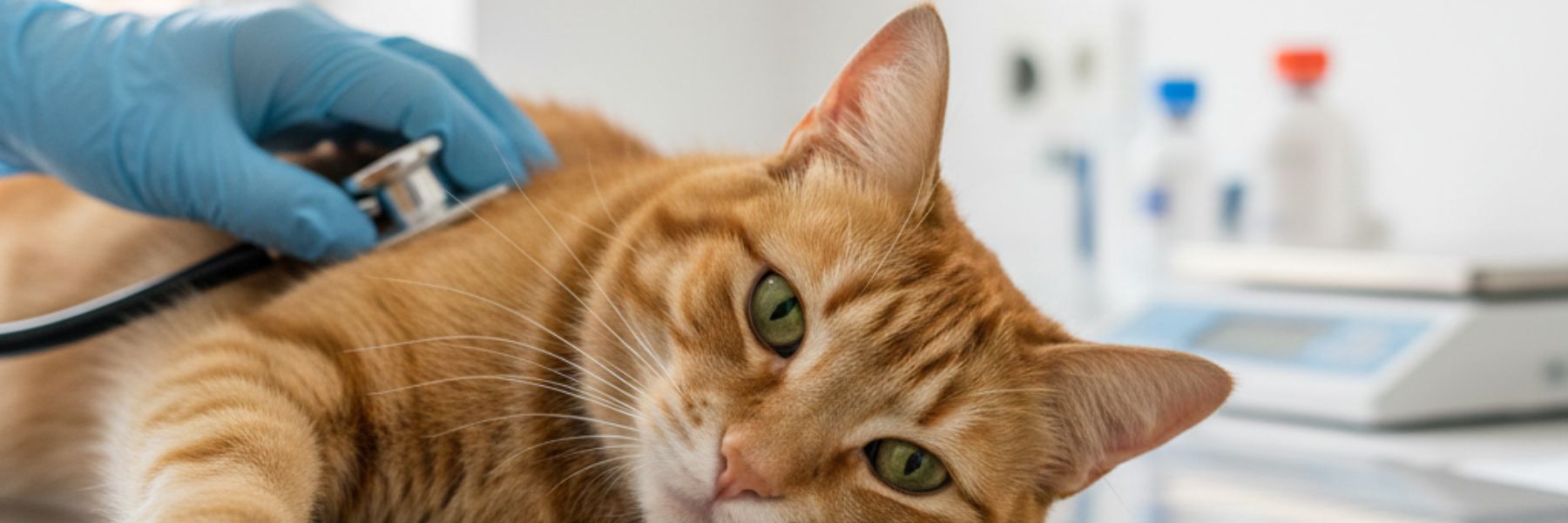
How often should you take your cat to the vet? So that any upcoming problems can be detected in advance and preparations for their care can be made ahead of time. This will help keep your pet happy and healthy.
With this guide, you will find out when and after how many days or months you should take your cat to the vet, so that if any changes need to be made to their diet, they can be identified in time.
Why Regular Vet Visits Are Essential for Your Cat’s Health
Regular routine cat check-ups help detect hidden problems. This gives your cat a longer life. These vet visits support your cat’s immune system. During a regular check-up, the vet examines everything from your cat’s weight to their heartbeat, and if they notice any unusual activity, they provide immediate treatment.
Additionally, if a disease is detected early, you can save money because the same illness may require a much larger amount of money for treatment later on.
How Often Should You Take Your Cat to the Vet by Age?
Kitten Vet Visits
Kittens need monthly vet visits because they are growing rapidly. During these monthly check-ups, you should also get your kittens dewormed. From birth, you should follow a vet schedule for approximately 15 to 18 weeks. When your kitten is around 8 to 9 weeks old, you should start their vaccinations.
Additionally, when your cat is about 5 to 6 months old, you should discuss the timing of spaying or neutering with your vet, as this is often considered the best time for optimal results. For more on feline life stage guidelines see this helpful resource: Cat care by life stage.
Adult Cats (1–7 Years)
Healthy cats, whether they are outdoor or indoor, in my opinion, if you cannot manage monthly visits, then you should at least take them to the vet three times a year. During these visits, you can also get more information about your cat’s diet and help protect them from common issues such as fleas and parasites, which are often seen in cats.
Senior Cats (7+ Years)
When it comes to senior cats, maintaining the same schedule as adult cats is the best approach. Only kittens need more frequent and regular visits. However, for senior and adult cats, you can take them to the vet once or twice a year. Learn extra tips for ageing cats here: Special considerations for senior cats.
When Should You Take Your Cat to the Vet Immediately?
Regular vet visits are important, but sometimes cats show certain conditions where an immediate emergency visit becomes necessary. For example, loss of appetite, diarrhoea, difficulty breathing, vomiting that lasts more than 24 hours, or urinary blockage. If any of these signs appear, you should take your cat to the vet without delay.
Preventive Care & Wellness Exams Explained
You should choose a time for the vet visit that matches the time you usually take your cat outdoors for a walk or play. This helps reduce stressand anxiety. Preventive veterinary care is very important because it helps stop bigger problems from developing in the future.
I also take my cat to the vet once a month, which makes things much easier for me. For example, the last time I went, I had my cat weighed and found out that her weight had decreased. In the same way, regular check-ups can help you detect many problems early on.
What Should I Bring to the Vet Appointment?
When you are going for a vet visit, take these things with you: your cat’s recent check-up records, a note about their recent food or treats, and make sure to mention any behavioural changes you have observed. If your cat is taking any medication, bring the details of that as well.
Also, when leaving for the vet, take a carrier along with your cat’s favourite toy and some treats. These small things help your cat feel safe and comfortable.
Final Thoughts: Keeping Your Cat Healthy for Life
Now you know when to take your cat for vet visits. Twice a year is perfectly suitable for senior and adult cats, while weekly or more frequent appointments are necessary for kittens.
To make the vet visit more pleasant, use a pheromone spray and keep your cat’s favourite toy and treats with you. During the journey, talk to your cat, pet them gently, and keep your behaviour calm and positive, because cats are greatly affected by your behaviour and can sense your energy.
FAQs
How often should indoor cats go to the vet?
Indoor cats should visit the vet at least thrice a month; senior cats over ten need check-ups every four to five months.
What is the silent killer of cats?
Chronic kidney disease is often called the silent killer, as symptoms appear late and progress gradually.
What is the 3:2:1 rule in cats?
The 3:2:1 rule refers to three days not eating, two days vomiting, one day lethargic—seek veterinary care immediately.
Alvina is a dedicated cat owner and feline care enthusiast with hands-on experience caring for multiple cats. She shares practical, research-backed guidance on cat training, nutrition, and behaviour through KittyCornerBlog, helping cat parents make informed, responsible care decisions.
10 Proven Mental Health Benefits of Having a Cat Mental health benefits of having a cat include reducing stress, improving mood, providing companionship, and supporting overall emotional wellbeing for…