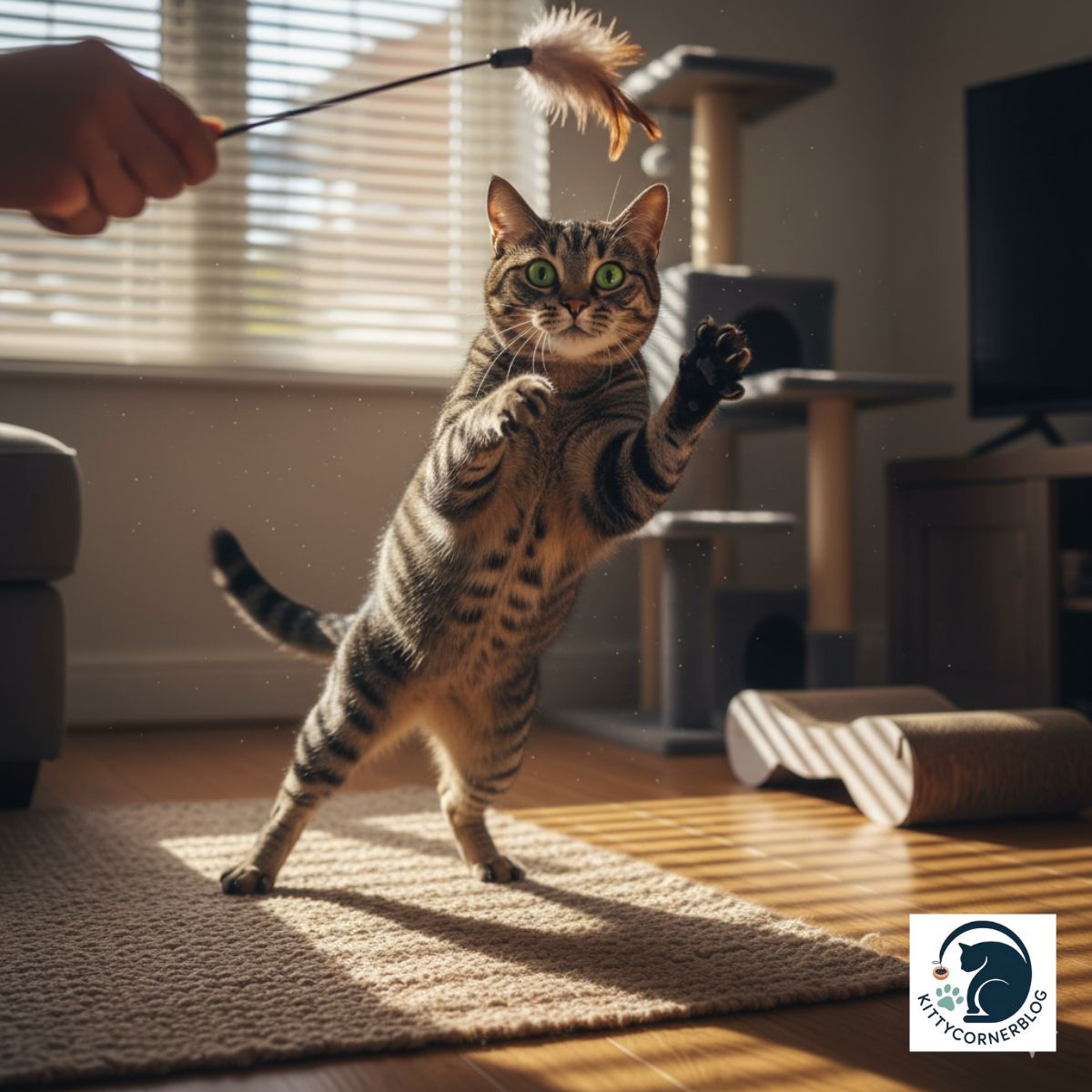
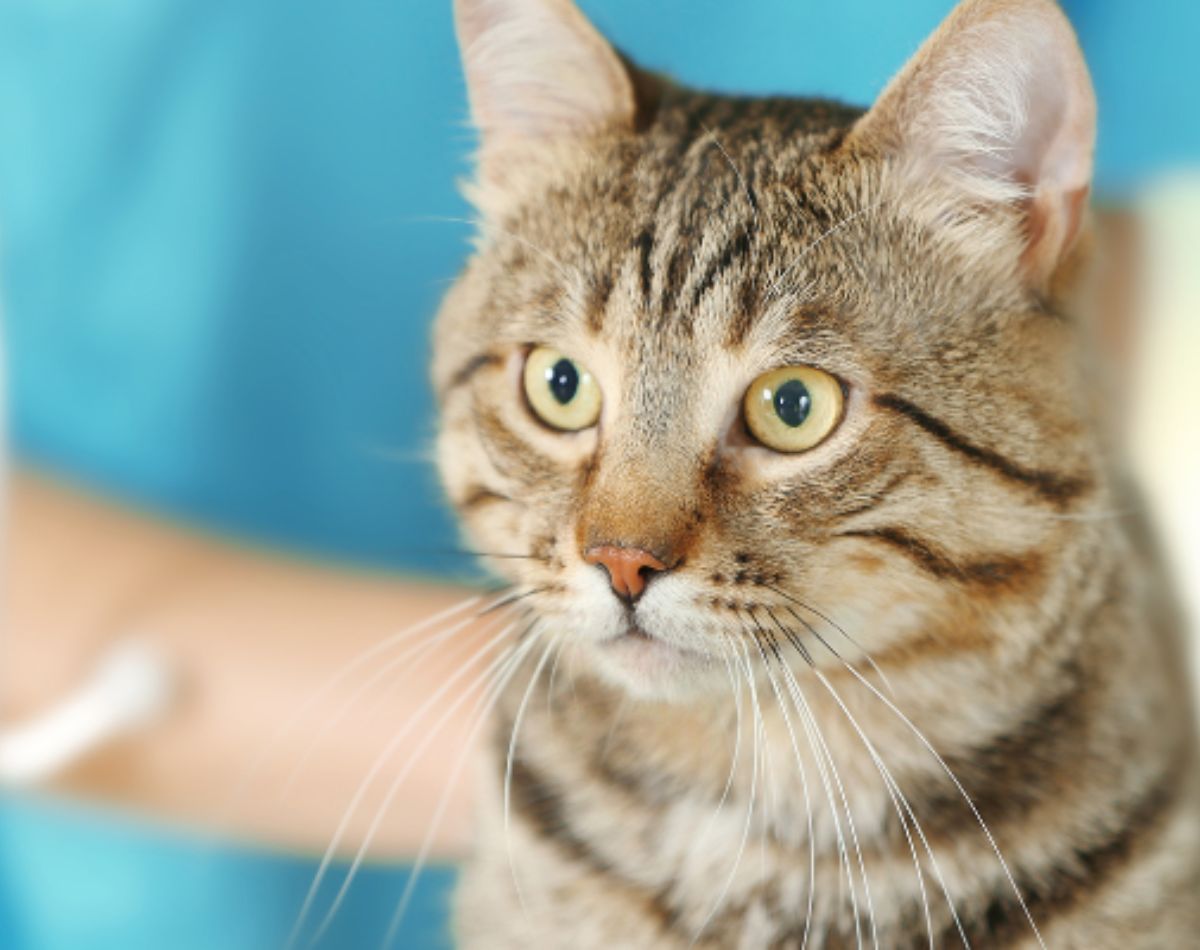
"Playtime isn't optional for cats—it's essential. Just 15-30 minutes daily mimics hunting, curbs boredom, and strengthens your bond. Vets agree: happy cat, healthy life!"
Do I Have to Play With My Cat is a question many owners ask, especially when their feline seems relaxed and independent. Yet playtime is far more than a light-hearted bonding activity. Behind every soft purr and cosy nap is a natural hunter with instincts that still require daily expression. Indoor life may keep cats safe, but it also limits their ability to stalk, chase, and explore as they would in the wild.
This is why structured play is essential. Regular interactive sessions support physical health, prevent boredom, reduce stress, and strengthen your bond. If you are unsure how much play your cat truly needs, this guide will walk you through everything.
Why Playtime Is Important for Cats
Playtime isn’t just fun; it taps into natural predatory behaviour that keeps cats physically fit and mentally sharp. House cats face a house cat VS wild cat instincts clash, lounging without the thrill of real hunts, so prey-driven play steps in to satisfy feline mental stimulation.
Without it, stress in cats builds from unused energy, sparking feline scratching instincts on your sofa instead of cat scratchers. Vets note that consistent cat playtime reduces causes of feline stress like sudden changes or isolation, while boosting mood through endorphins.
Facts reveal kittens need up to an hour daily to hone skills, whereas adults manage 20-30 minutes to dodge weight gain in indoor cats. Indoor cat lifestyle demands this or risk lethargy and illness.
Furthermore, interactive cat play strengthens ties, making your cat more affectionate and less prone to cat depression symptoms. Observe cat behaviour cues during sessions – a content purr means success.
Integrate environmental enrichment for cats alongside play for a stimulating indoor environment. Research from RSPCA confirms play lowers vet visits by preventing issues tied to inactivity. In short, play with my cat routines combat cat boredom effectively.
How to Get the Most Out of Playtime
1. Stalking & Hunting
Encourage stalking behaviour by hiding wand toys for cats behind furniture, letting your cat creep and pounce in prey-driven play. This fulfils the feline hunting sequence – eye, stalk, chase, grab – providing deep feline mental stimulation.
Drag toys across floors slowly at first, then dart unpredictably to mimic fleeing mice. Reward successful “kills” with praise, reinforcing positive cat behaviour cues. Sessions like this tire cats naturally, reducing night-time zoomies in cats.
2. The Boil and Simmer Method
Apply the Boil and Simmer method (play theory) by teasing slowly to “simmer” interest, then bursting into fast action to “boil” excitement. Pause dramatically for your cat to regroup, building tension in interactive cat play.
This technique exhausts energy efficiently, ideal for busy owners managing cat activity levels. It prevents overstimulation while honing natural predatory behaviour.
3. Watch Wildlife Videos
Show watching prey videos for cats on a secure tablet for wildlife-inspired play, prompting bats at birds or squirrels on screen. Position it safely low to allow pouncing without tips.
This offers mental enrichment items when you’re tired, supplementing hands-on play with my cat. Many cats fixate for ages, gaining indoor cat stimulation passively.
4. Start a Playtime Routine
Establish routine-based play sessions at set times, like dawn and dusk, aligning with natural peaks in hunting instincts in cats. Consistency signals fun ahead, reducing cat boredom and stress in cats. Begin with five minutes, building to fuller cat exercise routine that fits your schedule.
5. Avoid Harmful Objects as Toys
Steer clear of harmful cat toys or dangerous objects for cats like strings, rubber bands, or small balls that cause choking. Choose vet-safe teaser toys instead, prioritising cat toy safety. Discard frayed items promptly to protect during vigorous play with my cat.
Filling Your Cat’s Time With Fun (Even When You’re Not Home)
Leave out self-play cat toys such as cat trees, window perches for bird-watching, cardboard boxes, cat tunnels, cat puzzle toys, and cat scratchers including cardboard cat scratcher or L-shaped scratcher / multi-position scratcher to spark solo adventure.
These provide environmental enrichment for cats mimicking wild exploration, combating cat loneliness in your absence. Rotate weekly to refresh appeal, ensuring a stimulating indoor environment that curbs destructive habits.
Puzzle feeders dispense kibble through effort, blending meals with feline mental stimulation. Add perches near windows for real-life “hunts” of passing wildlife, boosting mood without you. This setup supports overall indoor cat lifestyle healthily.
How Often Should I Play With My Cat?
Play 15-30 minutes daily, divided into morning and evening slots to match cat activity levels and prevent weight gain in indoor cats. Kittens thrive on more frequent, shorter bursts up to an hour total for growth, while seniors suit gentler 10-minute gentle play for senior cats.
Factor breed – active ones like Bengals demand extra interactive cat play. Vets recommend tailoring to energy; observe if zoomies in cats persist post-session. Consistency in play with my cat fights cat boredom better than marathon weekends.
Signs That Your Cat Is Getting Enough Playtime (or Not)
A satisfied cat relaxes post-play, grooming calmly with steady weight and shiny coat indicating ample feline enrichment. They sleep soundly daytime, showing balanced cat exercise routine.
Conversely, excessive vocalising, furniture destruction, or overeating signal insufficient cat playtime, risking behavioural problems in cats or cat depression symptoms.
Night time races or aggression highlight unmet hunting instincts in cats. Monitor for stress in cats via hiding or appetite loss; adjust play with my cat accordingly.
Aggression in cats can stem from fear, stress, or overstimulation. Recognising triggers early helps prevent injuries and ensures a safe, calm environment.
Grab feather wand toys or lasers to lead chase-and-pounce play, moving unpredictably for thrill in prey-driven play. Let them win sometimes to satisfy capture urge, enhancing cat–owner bonding. Incorporate catnip toys sparingly for bursts of frenzy. This daily habit delivers indoor cat stimulation and joy.
Is My Cat’s Play Too Rough?
Roughness shows in bites or scratches during overexcited natural predatory behaviour, often from unchecked hunting instincts in cats. It’s not aggression but instinct; redirect to toys immediately. Persistent issues may stem from causes of feline stress, warranting a veterinary check for inactivity.
How Can I Teach My Cat to Play Gently?
Yelp “ouch” and stop play for 30 seconds when rough, teaching boundaries in play with my cat. Reward soft interactions with treats, fostering gentle habits over time. Patience transforms wild sessions into safe fun.
What to Do If Your Cat Won’t Play
Play First, schedule a veterinary check for inactivity to rule out pain or illness causing lack of interest in play. Try new teaser toys or catnip; sometimes cat loneliness needs another pet.
For deeper tips, see ASPCA cat play guide.Persist with short, enticing routine-based play sessions to reignite spark. Comforting stressed cats through calm environments helps too.
FAQS
What happens if I don't play with my cat?
Your cat may become bored, stressed, overweight, and destructive due to unmet instincts and lack of mental and physical stimulation.
Do I need to play with my cat every day?
Yes, daily play supports your cat’s health, reduces stress, prevents boredom, and fulfils natural hunting instincts essential for indoor cats.
What is the 3-3-3 rule of cats?
The 3-3-3 rule explains how cats typically adjust: three days to settle, three weeks to adapt, and three months to feel secure.
Do cats get sad if you don't play with them?
Yes, many cats become sad, bored, or stressed without play, leading to withdrawn behaviour, frustration, or destructive habits.
What is the silent killer of cats?
Obesity is often called the silent killer, causing diabetes, joint issues, heart problems, and significantly shortening a cat’s lifespan.
How do you apologise to a cat?
Give space, use a calm voice, offer slow blinks, and let your cat approach gently to rebuild trust and comfort.
Alvina is a dedicated cat owner and feline care enthusiast with hands-on experience caring for multiple cats. She shares practical, research-backed guidance on cat training, nutrition, and behaviour through KittyCornerBlog, helping cat parents make informed, responsible care decisions.
6 Life Lessons My Cat Taught Me About Happiness My cat taught me that happiness comes from self-acceptance, embracing individuality, and stopping comparisons to build lasting self-respect.