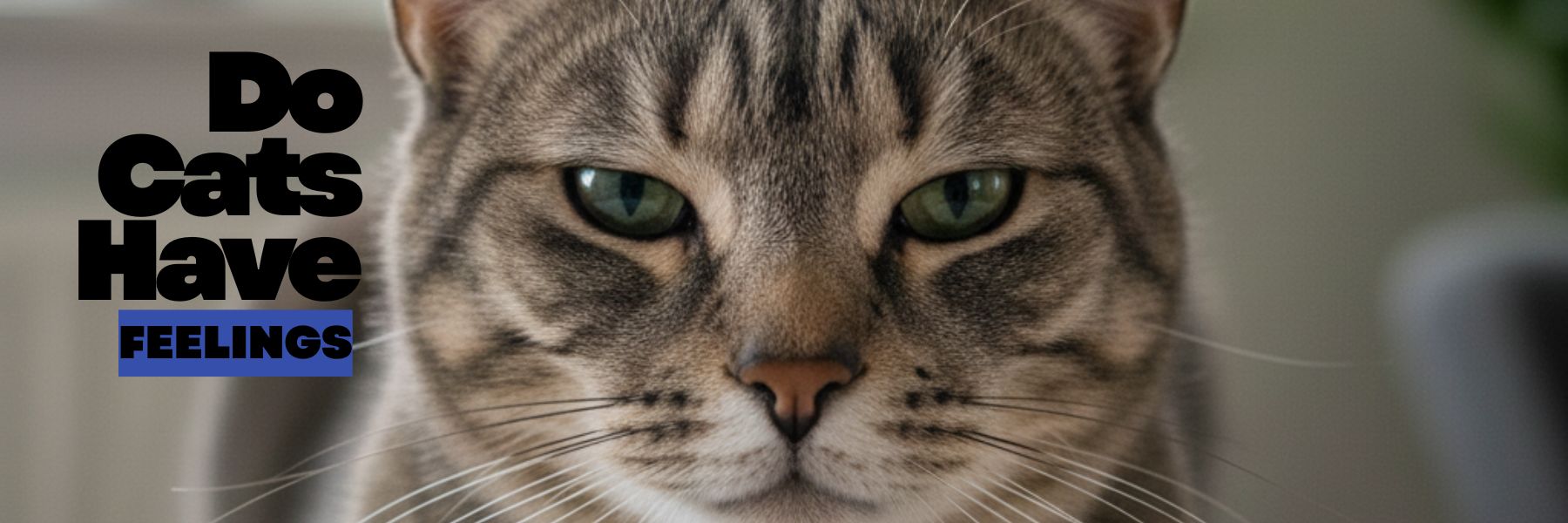
Many people want to understand the emotions of cats and often ask whether cats have feelings just like humans do. The answer is yes—cats do have emotions. That is why sometimes they can become frightened or stressed when you scold them, and when you show them love, they feel happy, safe, and express affection in their own way.
In this guide, I will share my experience to explain cats’ emotions—what things they feel more deeply and which factors can affect their mind and behaviour. I hope that after reading this guide, you will be able to understand your cat (your little companion) much better.
Do Cats Have Feelings?
Do cats have feelings? Yes, they do. Cats can understand feelings quite well. They sense human emotions through scent and tone of voice. That is why when you are angry, it is better to keep some distance from your cat, because cats observe these emotions and adjust themselves accordingly.
When you are in a good mood, spend time with your feline companion so positive moments can be created.
I can share a personal example to explain this: one day I was very happy, and I spent a lot of quality time with my cat. That day became very memorable. She played a lot, ran around, cuddled, and spent time with me with great energy and enthusiasm.
From this, you can understand that your mood directly affects how you behave with your cat. As a result, your cat may either become stressed or feel bored, depending on your behaviour.
Signs Your Cat Is Stressed
This guide explains the common signs your cat is stressed, helping you identify behavioural changes early and understand what may be affecting your cat’s emotional health.
Cats can show fear and anxiety. Loud noises or the presence of new people in the home can trigger these feelings. To express fear, a cat may dilate its pupils and flatten its ears.
For treatment, it is important to provide a calm and peaceful environment, use pheromones, and give the cat some time to adjust.
Depression and Emotional Withdrawal
Depression or emotional withdrawal in cats can occur when they lose something important or are separated from someone they are attached to. For example, when I had to stay away from my cat for a few days due to work, she stopped eating and drinking properly and was meowing a lot.
As soon as I returned to her, she began eating normally again, and it felt like she was genuinely happy that day — and I was too. Similarly, you can understand this with another example: when you have multiple cats that are very attached to each other, the absence of one cat can make the other feel sad or withdrawn.
Boredom and Emotional Neglect
Boredom is commonly seen in many cats, especially indoor cats. When you are unable to give them enough time due to your busy schedule, it can lead to negative or destructive effects.
To prevent boredom, engage your cat in a 15 to 20-minute play session every day. For the rest of the time, include puzzle feeders to keep your cat mentally stimulated.
Contentment and Happiness
Contentment and happiness in cats are shown through slow blinking and kneading. Their happiness can come from you, their environment, or their routine, such as providing a soft bed and their favourite toys.
Can You Hurt a Cat’s Feelings?
Cats can easily become disturbed by loud noises, such as nearby construction work, fireworks, or the sound of firecrackers. Any change in their routine or environment can strongly affect their behaviour—for example, if their feeding schedule or playtime routine is altered.
Cats are creatures of habit and are very attached to their belongings. They prefer everything to remain in its usual place, so changing the location of their feeding area or litter tray can upset them.
The arrival of new people or new pets in the home can also be stressful for cats. As a result, they may hide more often or start meowing excessively due to anxiety.
Cats are very gentle and sensitive animals. If they do something they shouldn’t, they should be treated with patience rather than punishment. Punishment can frighten them and increase their stress.
Additionally, if your cat is not eating, it’s important to give them some time instead of forcing food. Pressuring them to eat can make the situation worse.
Do Cats Feel Love for Humans?
Yes, cats love the people they are bonded with very deeply, and they see them as their protectors—with whom they feel peace, comfort, and happiness. Cats recognise their people through scent.
They can become very attached to their owners, something I have personally experienced in my life. When my cat was away from me, she stopped eating and drinking properly and didn’t play much.
But after meeting me again, she returned to her previous routine. So yes, if you have a pet, you should not keep them away from yourself and should take care of all their needs with love and responsibility.
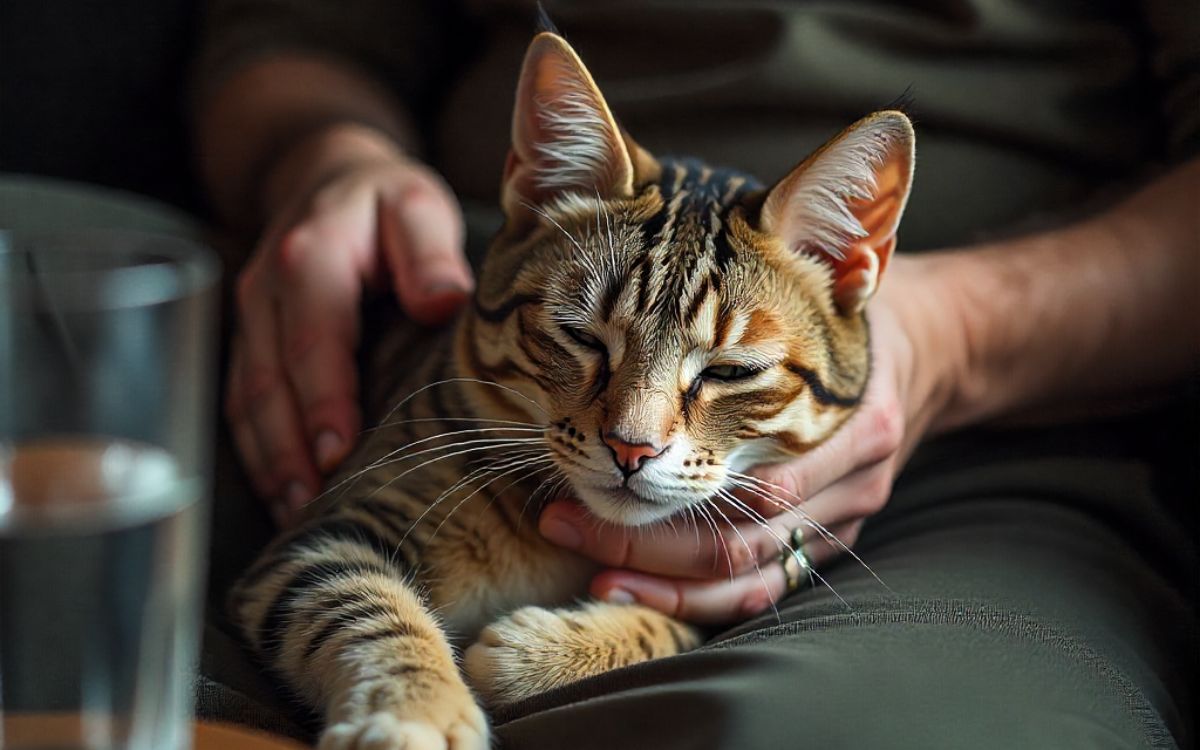
If your cat is happy with you, she may slowly blink her eyes, which is a sign of trust and affection. Her ears will remain in a relaxed, neutral position, and she may enjoy cuddling. She might walk around you, stay close, or follow you from room to room.
On the other hand, if your cat is stressed or feeling aggressive, her ears may flatten against her head, and her pupils may become wide and dilated. She may also hide more often or become unusually vocal, meowing excessively to express discomfort or anxiety. For more on interpreting these, checkthis guide.
Signs You’re Hurting Your Cat’s Feelings
When cats feel unsafe, they may hide, eat and drink less, which can lead to weight loss. Vomiting or diarrhoea can also occur. They may stop playing and show no interest in toys at all.
How to Bond With Your Cat and Support Their Emotional Health
1. Stick to a Daily Routine
Stick to your cat’s daily routine, as changes in routine can disturb them. Cats are very accustomed to their schedule, so set fixed times for feeding and play sessions. If you want to introduce new changes to the routine, do it gradually and slowly.
2. Maintain a Consistent Environment
Environmental changes can also make a cat uncomfortable. Introducing something new in the home can cause anxiety for your cat. When bringing in new items, introduce them gradually so that they do not stress your cat’s mind.
3. Spend Time Together, But Respect Boundaries
Spend time together, but remember that forcibly picking up your cat or making them sit on your lap can stress them and may later cause aggression, such as biting. Sit calmly beside your cat without forcing anything.
First, let the cat observe you. If the cat starts cuddling, gently stroke their head and slowly blink your eyes. This will build trust between you and your cat without any forcing.
4. Play More Often
To prevent boredom in cats, include interactive play. Cats have a natural instinct to catch their “prey,” so include toys like feather wands to fulfil this need. For mental stimulation, use puzzle feeder games. This will keep your cat happy and help them stay away from stress, fear, and anxiety.
5. Use Calming Products When Needed
If needed, use pheromone sprays to calm cats. In a way, these sprays send a message to cats that they are safe and help stimulate feelings of happiness in them. Explore more tips at this resource.
FAQs
Do cats have feelings for their owners?
Yes, cats form emotional bonds, showing trust through proximity, slow blinking, purring, and seeking comfort from familiar humans.
Do cats get their feelings hurt?
Yes, cats can feel stressed or anxious due to loud voices, routine changes, punishment, or ignored boundaries.
Do cats have feelings like humans?
Cats experience basic emotions like fear, comfort, and contentment, but not complex emotions such as guilt or spite.
Alvina is a dedicated cat owner and feline care enthusiast with hands-on experience caring for multiple cats. She shares practical, research-backed guidance on cat training, nutrition, and behaviour through KittyCornerBlog, helping cat parents make informed, responsible care decisions.
10 Proven Mental Health Benefits of Having a Cat Mental health benefits of having a cat include reducing stress, improving mood, providing companionship, and supporting overall emotional wellbeing for…