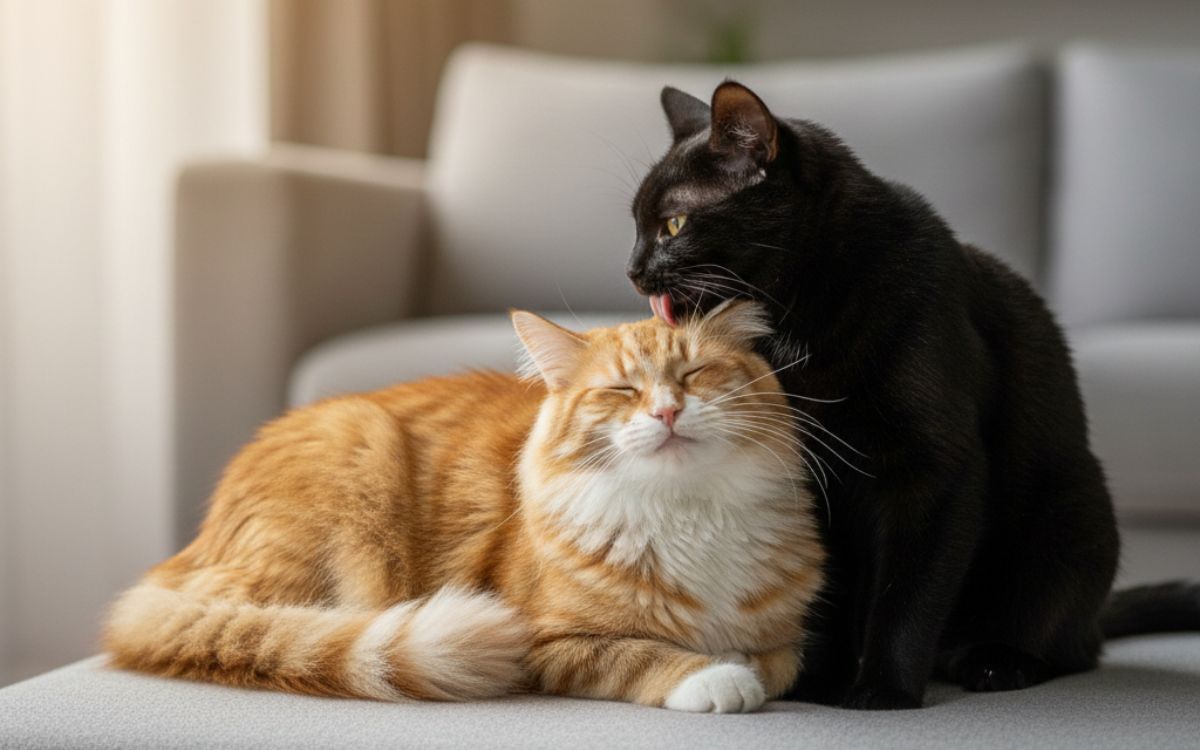
Do cats fight to the death? When they hear loud noises or see fur flying around in homes, they try to catch it. But when two cats are fighting with each other, they rarely fight to such an extent that one loses its life, because their natural instincts prevent them from causing serious harm.
However, after a fight, some minor injuries can occur because they use their sharp claws, which may injure the other cat. In indoor cats, such fights can be prevented by keeping an eye on them and separating them from each other at the right time.
In comparison, fights among outdoor cats can be quite intense, but even then, survival instincts make deadly outcomes uncommon. Whenever a cat senses danger, it expresses this by changing its voice or using body language. This guide makes things much easier for pet owners, especially for understanding animals during fights.
Why Do Cats Fight Each Other?
Cats can fight with each other for many different reasons. Having more than one pet in the house can lead to limited space, which causes cats to become stressed and uncomfortable.
In addition to this, any change in routine can also become a major reason for fighting. In comparison, fighting among outdoor cats is very common, and it usually happens due to hormonal changes, especially in animals that have not been neutered.
1. Territorial Disputes
Territorial behaviour in cats can give rise to many conflicts, such as over spaces where a cat rests or eats. These territorial disputes usually occur when another animal enters the home or when the layout of the house is changed.
In indoor cats, fights can be easily managed by separating them from each other or by using pheromone sprays. Cats do not resort to bloodshed during fights; instead, they give warnings by changing their vocal sounds and body posture, and they try to intimidate the other cat with loud noises.
2. Mating Rights & Hormones
In unneutered male cats, aggression is fuelled by hormones such as testosterone. During the breeding season, fights over mating rights become common. However, neutering reduces this drive and helps keep cats calm. The biggest cause of fighting and aggression in cats is hormonal changes, which can turn friendly cats into enemies.
3. Maternal Instinct & Kitten Protection
A mother cat wants to provide a calm and safe environment for her kitten. If there are many cats in the house, she may show strong reactions to protect her baby from danger. If immediate precautions are not taken, she can become overly aggressive.
Therefore, you should provide a quiet and safe place for both the mother and the kitten. Veterinarians say that as the kitten continues to grow, this aggressive behaviour gradually decreases.
4. Fear, Stress & Redirected Aggression
Fear, stress, or redirected aggression behaviour in cats can be triggered suddenly by loud noises, which may cause them to attack each other out of fear. In addition, there are other things that cats are afraid of, such as spray guns.
Managing stress while living indoors helps keep them calm. If they hide due to fear, do not force them out immediately—give them some time, and then gently leave the area so they can come out on their own.
Signs Your Cat Is Stressed
Discover common signs your cat is stressed, including behaviour changes and body language cues, and learn when your cat needs extra care.
Cat fights can become dangerous when the wounds are deep, as they increase serious health risks. In addition, bites and scratches from cats cause pain and take time to heal. Diseases that are transmitted through catfights, such as FIV, can spread rapidly.
Immediate care and treatment can protect your beloved pet from serious danger. Owners should observe their cats after a fight. If a cat appears lethargic, it may indicate health problems, and swelling can turn into an infection.
Bite & Scratch Injuries
Bleeding can start immediately from cat bite and scratch wounds, so prompt treatment is necessary. If not treated in time, abscesses can develop. Even small wounds can worsen. During this time, veterinarians recommend proper wound cleaning and the use of antibiotics.
Infection & Complications
Infections from cat bites occur when bacteria enter the wound, causing pus or swelling. To prevent fever and lethargy, immediate treatment of the wounds is required. Proper cleaning of the wounds helps ensure a faster recovery.
Diseases Spread Through Cat Fights
In cats, FIV (Feline Immunodeficiency Virus) can spread quickly after a fight involving bites, affecting their immune system. There is no cure for it. However, vaccination and keeping cats indoors can help protect them from the risks. Therefore, it is wise to get your cat checked after a fight. Wild or feral cats are more severely affected by this disease.
How to Stop Cats Fighting (Vet-Recommended Tips)
If you are wondering how to prevent fights between cats, veterinarians suggest methods and humane approaches to reduce their stress. First, it is important to make the environment calm and peaceful.
Then, you can introduce play sessions to divert their attention and engage their minds. Generally, cats do not fight to the death, but stopping fights early can protect them from serious risks. Cats Protection offers great advice on this.
1. Never Use Your Hands
Never use your hands to stop a cat fight, as this can put you at risk of bites or scratches. Instead of using your hands, use objects like doors or pillows. This method reduces stress and helps stop the fight safely.
2. Safely Interrupt the Fight
To reduce stress and stop a fight, use a water spray instead of shouting or making loud noises. Loud sounds can frighten cats and may make them even more aggressive due to fear.
3. Separate & Increase Resources
Separate fighting cats immediately to help them calm down, and keep them apart for some time. Increase the number of litter trays. For personal space, also place their food bowls separately.
4. Neutering and Spaying
Neutering and spaying lower aggression by balancing hormones, especially in males. Do it early for best results. Vet-endorsed, it cuts fight frequency dramatically. VCA Hospitals on FIVexplains related benefits.
5. Add Environmental Enrichment
To make the environment better and more peaceful, use toys and climbers. A daily 15-minute play session helps keep your cat calm and healthy. Additionally, veterinarians recommend scratching posts to help redirect their energy.
How Long Should You Play With Your Cat
Learn how long you should play with your cat each day to support physical health, mental stimulation, and stronger bonding. Read more.
In homes with multiple cats, use pheromones, as the chances of fighting increase when there is more than one cat. Pheromones help calm the cats and signal that everything is safe and there is no danger. Additionally, using them is an excellent method whenever a cat is stressed.
Final Verdict — Should You Worry About Cat Fights?
So, should you worry about cat fights? While monitoring is important, generally cats do fight but not to the point of death. They can injure each other significantly through bites and scratches, which can cause immediate bleeding, but prompt treatment can help them heal.
Occasional fighting is normal. However, if your cat appears to be fighting constantly and aggressively, it could indicate an underlying illness, and you should consult a veterinarian immediately.
Sometimes cats fight out of stress. In such cases, using pheromones can help, allowing you and your pets to enjoy a calm and comfortable life together.
FAQs
Do cats say goodbye before dying?
Cats do not consciously say goodbye, but may seek quiet, affection, or isolation as part of natural end-of-life behaviour.
Do cats hurt each other when they fight?
Cats can injure each other during fights, mainly through bites or scratches, though serious or fatal injuries are uncommon.
Do cats feel sad if another cat dies?
Cats may show behavioural changes like withdrawal or reduced appetite, suggesting stress or confusion after losing a companion.
Do cats get aggressive when dying?
Some cats may appear aggressive when dying due to pain, fear, or discomfort, rather than intentional hostility
Alvina is a dedicated cat owner and feline care enthusiast with hands-on experience caring for multiple cats. She shares practical, research-backed guidance on cat training, nutrition, and behaviour through KittyCornerBlog, helping cat parents make informed, responsible care decisions.