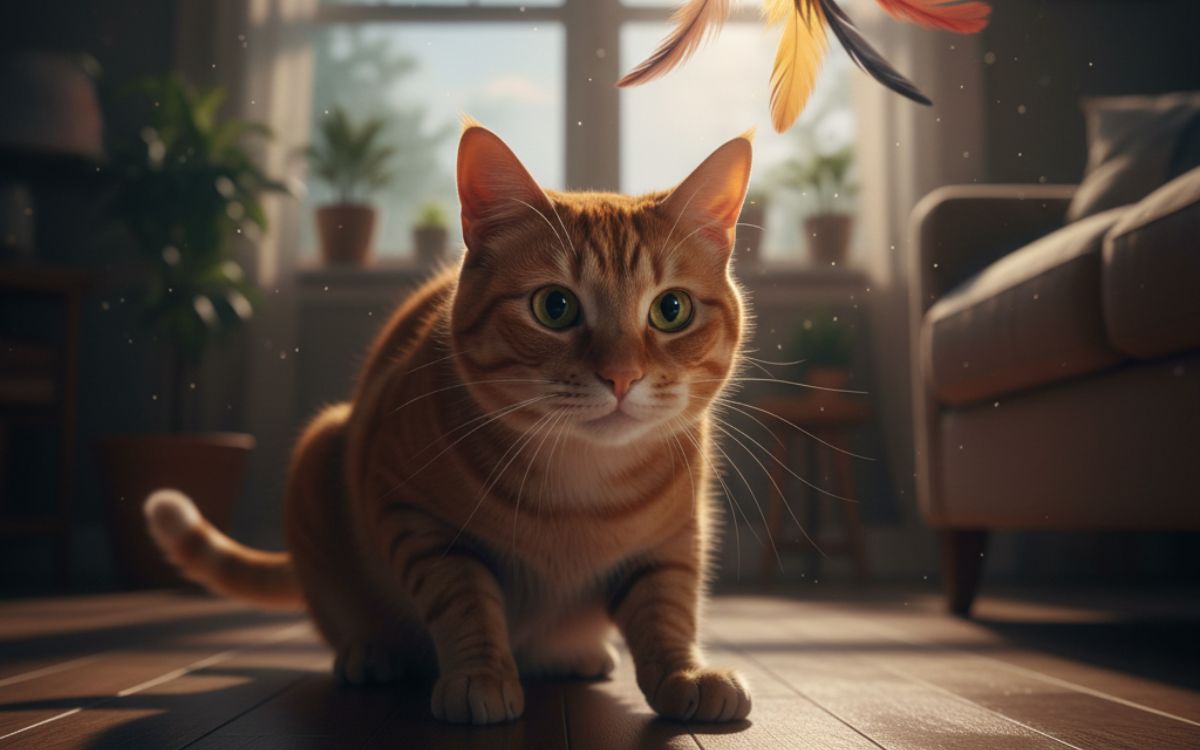
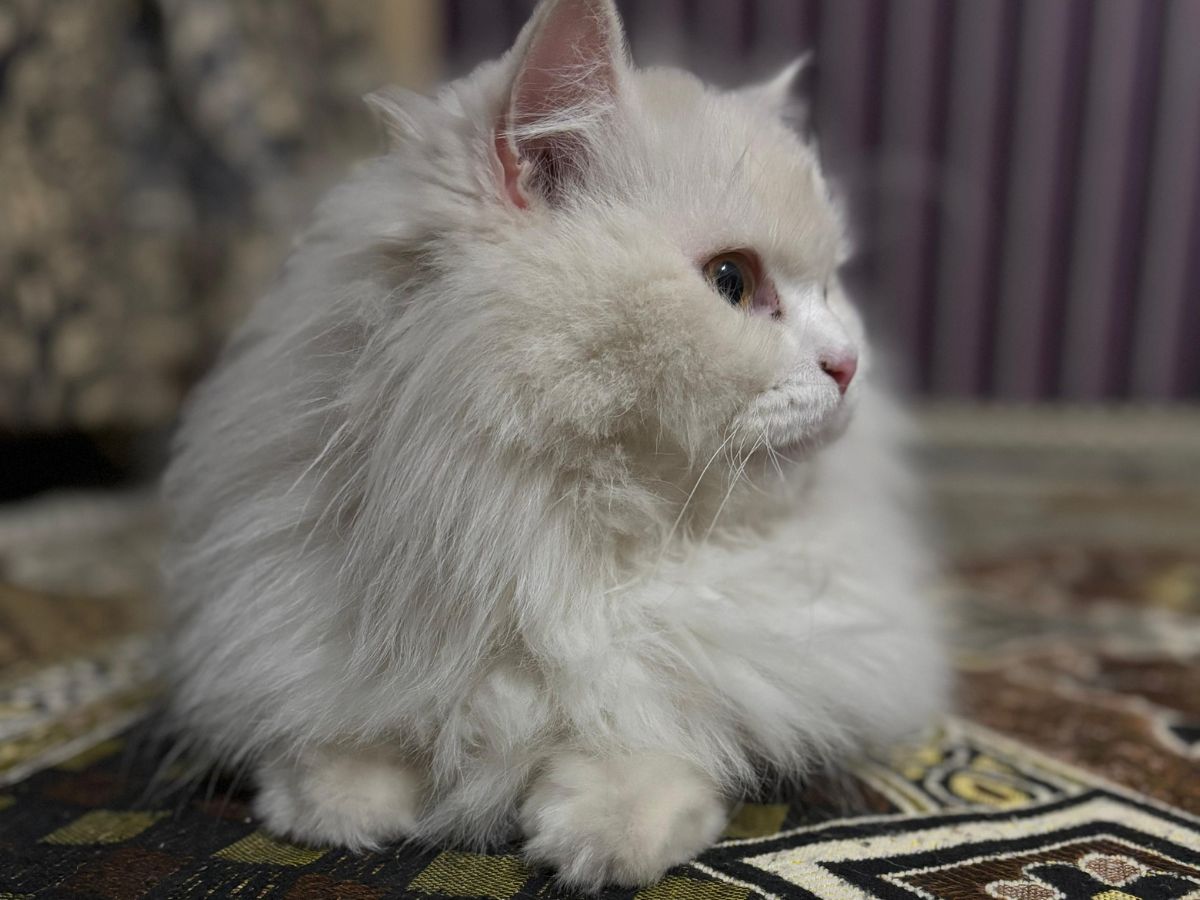
Cat zoomies are a sudden burst of energy that often seem to appear out of nowhere. You may have noticed your cat suddenly sprinting around the house as if it has had too much catnip. This natural, instinctive behaviour is commonly known as cat zoomies.
It is a very common part of a cat’s life, especially when they suddenly spot another animal, make strange noises, or become hyperactive for no obvious reason. Many cat owners report that zoomies usually last up to 10 minutes, during which the cat runs from one room to another, slides across tiled floors, and jumps energetically onto couches and furniture.
In this guide, we will discuss the possible causes behind cat zoomies and how you can manage or handle this behaviour effectively.
What Are Cat Zoomies?
Cat zoomies are those unexpected moments when your cat suddenly becomes hyperactive and starts racing around the house as if it has just spotted prey. During these bursts of energy, cats may climb doors, jump onto high surfaces, and dash from one place to another.
This behaviour usually lasts only a few minutes, but it can occur several times a day—especially in the morning or evening after meals or catnaps, when their energy levels peak.
Indoor cats, in particular, experience zoomies more often because they lack outdoor space to explore. As a result, they release their built-up energy indoors as a way to keep themselves entertained and stimulated.
If your cat gets the zoomies at home, there’s generally no need to worry. However, if the behaviour becomes excessive, it’s best to address it early. You can redirect your cat’s energy by offering their favourite toys, helping them calm down and preventing potential injuries or damage around the house.
Why Do Cats Get the Zoomies?
Cat zoomies are a behaviour that comes from their wild cat ancestors, which even indoor cats adopt. Generally, it is simply an expression of happiness, but sometimes it can also appear along with signs of stress. Cat zoomies are more common in indoor cats due to limited space.
Excess or Pent-Up Energy
When cats wake up after taking catnaps, they get a new burst of energy inside them, and their energy level becomes higher than needed. Because of this, they get zoomies and start running around here and there as if trying to go outside.
This is very common in indoor cats because they cannot go on outdoor adventures. You should try to redirect your cat’s mind during this time with a simple play session. Also, make your home suitable for your pet’s needs and prepare a schedule of short games.
Natural Hunting Instincts
Cats have natural hunting instincts that make them strong at hunting and chasing. This behaviour in cats imitates the instincts of wild cats. When you are playing, even a simple shadow becomes prey for them, and they put all their energy into catching it. For cats to feel satisfied, they need to experience catching prey even during play. So make sure to include interactive cat play.
Post-Litter Box Relief
After using the litter tray, cats often start running around. This is called a post–litter box relief zoom, when cats run as if they’ve spotted some prey. The best approach is to give them space and avoid stopping them, otherwise their excitement may increase even more. In fact, after using the litter box, cats feel very light and comfortable, and their energy gets fully charged, which pushes them to run around.
Environmental Triggers
Environmental triggers such as loud noises, flashing lights, or a passing car can cause zoomies in cats, making them start running around restlessly. An important fact is that cats have hearing that is five times more sensitive than humans, which is why they react immediately.
Age and Energy Levels
Young cats have more energy, which is why zoomies are seen more often in kittens. However, this decreases with age, though they can still be seen occasionally in senior cats.
Facts show that cats under two years of age zoom around with the most energy. To manage this, include toys that are appropriate for your cat’s age.
Frustration or Under-Stimulation
When cats get bored or frustrated, they take support from zoomies. When there is a lack of mental stimulation and physical activity at home, a lot of energy remains stored inside them, due to which cat zoomies can last for almost 30 minutes. This is often called the “cat zoomies mad half hour.”
In this condition, cats can become stressed, which may include excessive meowing and scratching behaviour. You should provide puzzle feeders and soft toys to keep cats engaged. This helps improve their mental health and allows them to enjoy playtime calmly.
Is It Normal for Cats to Get the Zoomies?
Are cat zoomies normal? Yes, they are completely normal. Through them, cats actually express happiness and high energy in a healthy way. They are seen more often in indoor cats due to limited space.
This is a completely natural habit that comes from their wild instincts—just like dogs wag their tails excitedly when they’re happy. Vets also confirm that cat zoomies are totally normal as long as they are not accompanied by unusual changes.
For example, if a cat is meowing excessively or scratching a lot, it may be a sign that the cat is stressed.. For more on feline norms, visit the Cats Protection website.
How to Reduce or Manage Cat Zoomies
After understanding cat zoomies, how can they be reduced? First of all, keep in mind not to interrupt your cat during peak energy moments, as this can increase their excitement even more. When their energy level starts to drop, gently redirect them.
Create a playtime schedule that includes both physical activities and activities that stimulate the mind. Additionally, adjust your home according to your pet’s needs. A calm and peaceful environment also plays an important role.
Play Throughout the Day
You should play with your cats at intervals during the day using feathers or strings. Give preference to toys with movement, such as wand toys, because your cat will consider them as prey and play with them without getting bored. If possible, give two 15-minute sessions during the day; this can reduce your cat’s sudden energy outbursts by about 50%.
Cat Playing Guide
Cat playing guide helps you understand safe, fun playtime ideas that boost exercise, reduce boredom, and strengthen your bond with your cat.
Always make sure that the play session you are having ends successfully. If the game does not end successfully, your cat may get frustrated, which can trigger zoomies.
So always use catchable items so that cats can easily catch them in the end and feel satisfied. Studies show that catching prey gives cats a sense of relief and calm.
Feed Little and Often
Instead of giving a large meal at once, give smaller portions more frequently, because cats are used to eating 3 to 4 times a day. Smaller, frequent meals help with proper digestion and can prevent future weight gain issues such as obesity. Instead of feeding from a regular bowl, use a puzzle feeder to provide mental stimulation for your cat.
Try Basic Training
To reduce your cat’s frustration and boredom, start giving short training sessions, such as “come” and “sit.” This will make your cat feel mentally satisfied and reduce the desire for zoomies.
Use treats during training and maintain patience with positive reinforcement. Studies show that trained cats are less frustrated, and this type of training also helps reduce cat stress.
How to Train Your Cat to Sit
This guide explains effective methods for training your cat to sit using patience and positive reinforcement.
Most cats get stressed and develop zoomies after seeing other cats through windows or doors, often accompanied by strange sounds and running around. To prevent this, use blinds or window films to block the view and help reduce stress and frustration.
Create a Calming Home Environment
For cats, create safe hiding spots at home where there is low light and a pleasant scent. To keep their nerves calm and relaxed, use a pheromone diffuser, which is especially effective in reducing stress and is great for frustrated cats.
When Should You Be Concerned About Cat Zoomies?
When should you be concerned about your cat’s zoomies? Watch for any unusual patterns in your cat, such as aggression, hiding, loss of appetite, or lethargy, as these issues together may indicate health problems.
These problems affect about 10% of cats with zoomies. The wise approach is to consult a professional if you notice such signs. Cat stress signs like hiding or appetite shifts warrant a vet visit. For hyperthyroidism info, checkBattersea’s guide.
Final Thoughts: Understanding Your Cat’s Zoomies
So now, when your cat has zoomies, there’s no need to worry as long as there are no clear changes, such as loss of appetite, lethargy, hiding, excessive meowing, or overlapping scratching.
While cat zoomies are a way for your cat to express happiness, it’s always your responsibility to stay attentive. Adjust your home according to your cat’s needs, and give 2 to 3 play sessions of 15 minutes each during the day to provide physical activity and mental stimulation.
FAQs
Do zoomies mean a cat is happy?
Zoomies often indicate excitement or happiness, but frequent episodes may also suggest boredom, excess energy, or mild frustration.
What is the 3-3-3 rule of cats?
The 3-3-3 rule explains adjustment: three days to decompress, three weeks to learn routines, and three months to feel secure.
How do I say “I love you” in cat?
Slow blinking, gentle play, calm speech, and respecting boundaries are common ways cats interpret affection and trust.
How to tell if a cat has zoomies?
Sudden sprinting, jumping, rapid direction changes, wide eyes, and playful behaviour usually indicate your cat is experiencing zoomies.
Alvina is a dedicated cat owner and feline care enthusiast with hands-on experience caring for multiple cats. She shares practical, research-backed guidance on cat training, nutrition, and behaviour through KittyCornerBlog, helping cat parents make informed, responsible care decisions.
6 Life Lessons My Cat Taught Me About Happiness My cat taught me that happiness comes from self-acceptance, embracing individuality, and stopping comparisons to build lasting self-respect.