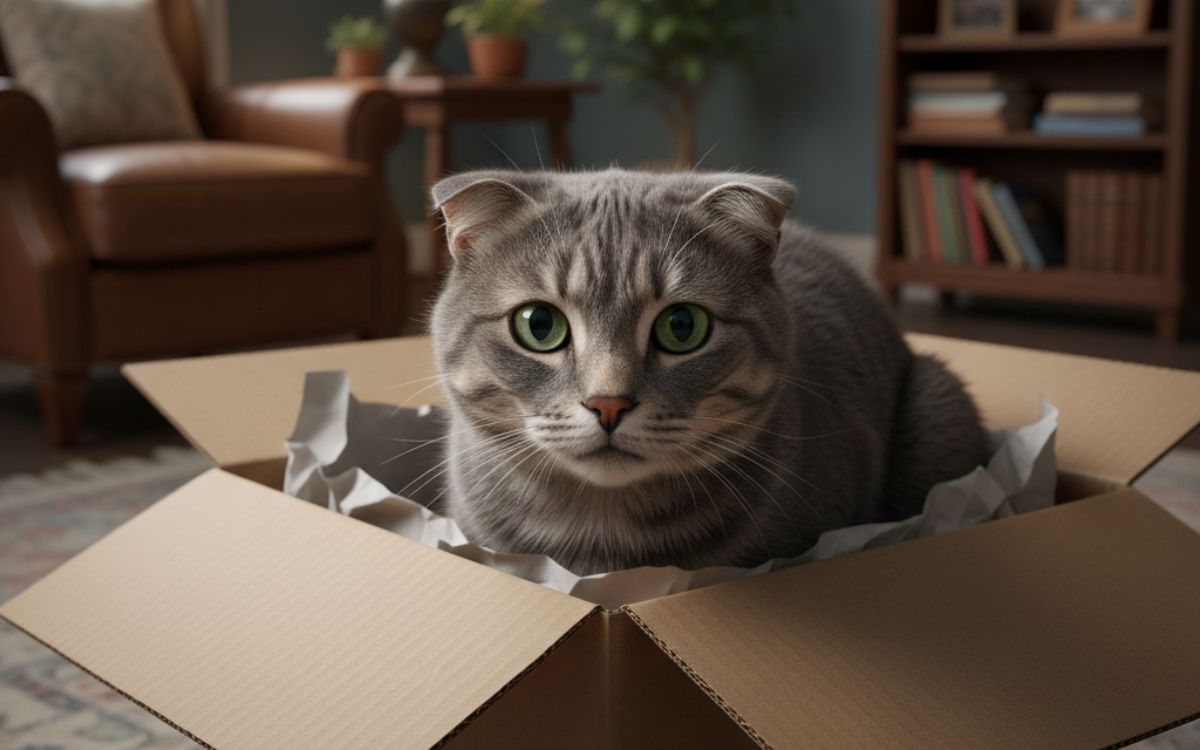
Why is my cat hiding? Is she stressed, does she feel unsafe, or does she want to play—what is it really? In this guide, we will explore the key reasons behind a cat’s stress and its tendency to hide. Many owners seem worried because of this behaviour, thinking that their beloved friend has disappeared, while in reality, the cat is comfortably resting in some corner of the house. By reading this article, you will be able to understand whether there is a serious reason behind your cat’s hiding or if it’s just a normal, minor thing.
Why Do Cats Hide? (Main Reasons Explained)
Hiding Is a Natural Instinct
Hiding is a natural habit of cats. In the wild, they hide themselves under shady trees or other cover before catching their prey. Indoor cats follow this same instinct very well, especially when you give them toys, which they consider as prey and try their best to catch. This is why cats love playing hide-and-seek so much. People who play a lot with their cats know that this is one of their favourite games.
Hiding Helps Cats Feel Safe
Cats sleep for about 16 to 18 hours a day, and during this time, they choose a place that feels completely safe, because they are more vulnerable while sleeping. That’s why, to protect themselves from other animals, cats look for hiding spots when they sleep, such as inside boxes, behind cupboards, under sofas, behind curtains, and many other places. Providing a safe and quiet space can help, but if cat behaviour changes persist, consulting resources like the RSPCA pet advice is wise for deeper insights.
Your Cat May Be Stressed or Anxious
If a cat is under stress, fear, or anxiety, she will look for an enclosed place to hide. Stress and fear can be caused by environmental changes, such as after cats fight with each other, loud noises made by other cats, the sound of fireworks, or any other sudden loud noises.
As a result, the cat gets scared and looks for a place to hide. At this time, try to create a calm environment and help your friend without punishing her.
Signs Your Cat Is Stressed
Learn how to spot the early warning signs of stress in cats, from behaviour changes to health clues, so you can act early and protect their wellbeing.
If your cat is hiding, she may be sick due to stomach pain or vomiting. Observe your friend for two days; if the condition remains the same, then consult a vet. Vets say that hiding is often caused by urinary or dental problems. Always observe your pet closely.
Is It Normal for My Cat to Hide Away?
Hiding in cats is sometimes completely normal and is part of their wild instincts. However, daily or constant hiding can be linked to stress or environmental changes.
You should adjust their routine, provide a calm environment, and give them time to settle in. Sometimes cats hide to find a safe place to sleep, and other times they do it simply to relax—just like humans want peace and quiet after a long day of work.
Where Do Cats Usually Hide?
Cats usually prefer comfortable places to hide, such as inside beds, cupboards, boxes, on high shelves, or under couches. Often, high places remind them of their wild days when climbing trees made them feel very safe.
You should create a designated hiding or resting place for your pet, preferably in the area where she usually hides. Keep in mind that these places should be free from danger and full of comfort and calm.
My New Cat Is Hiding – Is That Normal?
Yes, hiding in a new home is completely normal for new cats. It takes time to adjust to a new environment, and during this period, everything feels very intense to them. They are often under stress—some don’t eat, don’t play, and in short, show no interest in anything.
They may just sit in one place out of fear or stay hidden. There is no need to worry about this; give them time to adjust, whether it takes days or even weeks. To help them, choose a quiet room with soft bedding.
Place everything they need there, from the litter tray to food and water. Introduce new toys patiently; if they don’t show interest, give them time to adjust. Instead of forcing them to do anything, allow them to explore everything on their own.
When your cat starts coming out on her own, gently engage her with short play sessions.
How to Help a Hiding Cat (Step-by-Step)
Rule Out Medical Problems First
If a cat’s hiding is due to a health problem, such as vomiting or not eating, first consult a vet and address the health issue. Then, gradually return to a routine by giving a light diet.
Instead of giving a large amount of food at once, feed smaller portions three to four times a day. Resources like International Cat Careprovide guides on spotting symptoms effectively.
Reduce Stress Triggers
When cats hide after fireworks or loud noises, move them to a quiet room with low traffic. Include their favourite toys, use pheromone plugins, and give them simple, gentle play sessions to help reduce their stress.
Never Force Your Cat Out
Sometimes, do not force your cat out of her hiding spot. Doing so can reduce the trust between you and your friend, and she may start feeling unsafe around you. Instead, try calling her using nearby food or by enticing her with moving toys.
Providing the Perfect Hiding Place for Your Cat
Create a calm and cosy hiding spot for your cat, such as soft blankets in cardboard boxes, or use wall shelves or a cat tree. By making the hiding spot comfortable, your cat can stay stress-free.
Remember to choose a place that is enclosed, warm, and quiet. Most cats also like to hide in high places, such as on top of cupboards.
Can Hiding Be a Sign of Playful Behaviour?
In cats, hiding can also be a sign of playful behaviour. When they play, they may hide behind curtains, walls, or under tables to pounce on their companion or toys. They might suddenly attack a person’s foot, hang from it, or swat at it. I have often experienced this myself—while playing with toys, my cat first hides and then suddenly leaps with full energy to catch the toy, just like a wild cat pouncing on its prey.
Final Thoughts – Understanding Your Cat’s Behaviour
So, hopefully now it won’t be difficult for you to understand the reason behind your cat’s hiding. Sometimes hiding is normal, but if it happens every day, it could indicate a new problem. Observe sudden behaviour changes for two days, and if the condition remains the same, consult a vet.
To reduce stress, fear, or anxiety, use calming elements, provide a peaceful environment, and give your cat time to adjust. Arrange every hiding spot in the best way possible and keep it safe from danger.
If hiding is due to play, use interactive toys to increase the fun, and later reward your cat with treats to show appreciation.
FAQs
Why is my cat suddenly hiding in weird places?
Sudden hiding often indicates stress, anxiety, illness, environmental changes, loud noises, or your cat trying to feel safe.
What is a good hiding spot for cats?
A good hiding spot is quiet, enclosed, elevated, warm, and away from litter trays, food bowls, and household noise.
What are the signs of a depressed cat?
Signs include excessive hiding, reduced appetite, sleeping more, loss of interest in play, withdrawal, and noticeable behaviour changes.
Where do cats hide when sick?
Sick cats usually hide in dark, quiet, hard-to-reach places like cupboards, under beds, behind furniture, or in corners.
Alvina is a dedicated cat owner and feline care enthusiast with hands-on experience caring for multiple cats. She shares practical, research-backed guidance on cat training, nutrition, and behaviour through KittyCornerBlog, helping cat parents make informed, responsible care decisions.
Persian Cat Breed Guide 2026 Persian cat breed 2026 guide with expert tips on care, grooming, feeding, health problems, and temperament.
10 Proven Mental Health Benefits of Having a Cat Mental health benefits of having a cat include reducing stress, improving mood, providing companionship, and supporting overall emotional wellbeing for…