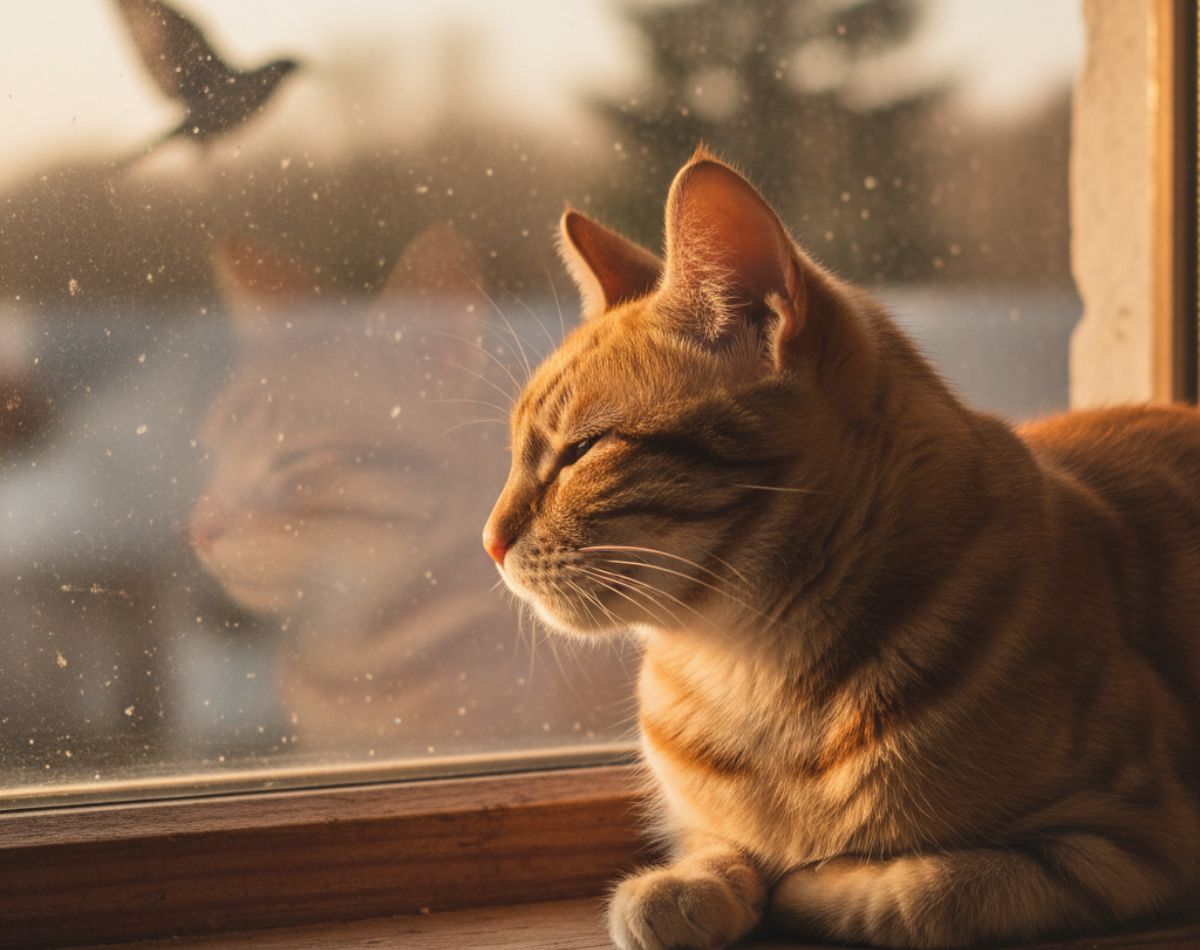
Cat facts you might not know: You will be surprised to know that cats make you more interesting by using their intelligent mind and their interesting habits. It has been 2 years since I have been living with my cat. In these 2 years, I have learned many things about cats, observed their daily routine and learned some surprising facts.
Which we are going to discuss in this guide. These facts will compare how indoor cats are different from outdoor cats. You will see how much attachment indoor cats have to their owners.
1. Cats Can Rotate Their Ears 180 Degrees
My cat’s tiny ears rotate like radar and track traffic. This rotating ear function comes from 32 muscles in both ears of every cat. The cat’s ear can detect high pitches up to 65 kHz, which makes it easier for it to hunt and the cat can easily find its prey even indoors.
You can feel this fact during play. When they get alert immediately by the sound of a faraway. Earlier people used to take advantage of this fact that if they were hunting in the jungle, they used to take such cats whose ears were sharp, due to this the cat used to hear the sound before you heard it and it used to get alert. But if you take a cat then firstly you will have to understand the cat body language.
First of all, when I looked closely at my cat’s eyes, I was quite surprised to see that cats have a third eyelid. This gift of cat’s eyes works to keep the moisture of the cat’s eyes clean or it would be better to think that it works to give a kind of sweep. With this third eyelid, the cat’s eyelid remains constantly clean without blinking.
These facts are more likely to be seen in healthy cats sleeping. If you also notice a cat constantly showing its third eyelid, it could be a sign of some disease or illness. So, if you constantly see a third eyelid, consult a vet as soon as possible. This eyelid is related to the cat’s anatomy, which is prepared for a drowsy environment.
Why This Cat Fact Boosts Daily Care
While grooming, you can quickly detect any internal diseases in a cat by looking at its eyes. This membrane prevents dryness and maintains moisture, which keeps cats healthy.
These facts are essential for cat owners to know. The more you know about your pet, the more you will be able to provide it with a good environment and a healthy diet.
3. A Group of Cats Is Called a Clowder
Bringing another cat home became a clowder. The word clowder has been in use since the 14th century. The word clowder refers to a group of cats that form social bonds through grooming or play. Feral cats in a colony display similar herding behaviors to indoor cats.
Observe cat communication through tail flicks, eye blinking, rubs, or meows. These reveal cats’ emotions and personalities. I remember one time my vet told me that bonding with cats reduces loneliness.
4. Cats Have an Excellent Sense of Smell
My cat smells every new things with its strong nose. Cats have 200 million receptors which enable cats to detect high-quality smells. Apart from this, cats also observe those smells with their strong nose which we cannot.
This is the reason you must have noticed that cats always clean their place and sit after smelling. And they also eat food only after smelling. Cats also smell their owner and their behaviour changes with unfamiliar smells. Unlike dogs, cats use it properly while hunting.
5. A Cat’s Purr Can Help to Heal Bones
Purring isn’t just joy; the cat purr vibrates at frequencies promoting bone healing. These purring vibrations between 25-150 Hz aid tissue repair and feline relaxation. My cat’s rumble brings cat comfort to us both.
Studies show it lowers human stress too. Cat emotions shine through this healing purr. It stems from kitten-hood for cat communication with mums. Feline companions offer natural therapy.
6. Cats Are Desert Creatures at Heart
Due to the desert cats lineage, my cat drinks little water. The cat’s ancestors have adopted a urine micturition system for water conservation. Wet food provides hydration, so whenever giving any diet to indoor cats, try to give wet food because indoor cats don’t drink much water.
This adaptation in cats explains the strong odour of their urine in situations where there is a lack of water. A cat’s skin helps with cooling through evaporation. Understanding these aspects of a cat’s health helps in preventing problems such as crystal formation.
7. Cats Have a Flexible Spine
Watching your cat twist mid-leap highlights the flexibility of its spine. The extra vertebrae and stretchy intervertebral discs increase the cat’s agility. A cat moves with about 30 tail bones, compared to the few we have.
This same flexible spine helps the cat maintain balance during high jumps. This grace and control come from muscles that work together in perfect harmony.
8. Cats Have a Keen Sense of Balance
Narrow shelves never faze my cat thanks to keen cat balance. Inner ear sensors and cat tail provide stability for precise jumping cats. Feline coordination kicks in with righting reflex mid-fall.
This physical abilities trait ensures safe landings. Cat instincts from tree-dwelling ancestors shine. It amazes during play, showcasing feline grace effortlessly.
9. Cats Can’t Taste Sweet Things
Cats cannot detect sweet tastes because their diet is focused on meaty flavours. They are not tempted by sweet things — if you want to motivate a cat, offer fish or meat instead, as they find these flavours much more appealing than sweets. Their sense of taste naturally ignores desserts, and indoor cats grow well without sugar, staying protected from many health problems.
10. Cats Are Lactose Intolerant
Because of lactose intolerance, giving milk to cats can upset their stomach. Adult cats lose the ability to digest dairy properly, which makes milk difficult for them to process. Feeding milk can cause several health issues, so it’s best to stop giving it to your cat.
Instead, choose water or another suitable alternative that won’t affect your cat’s health — and always consult your vet before introducing any new option. For more on cat museums, visit the Cat Museum Budapest.
Alvina is a dedicated cat owner and feline care enthusiast with hands-on experience caring for multiple cats. She shares practical, research-backed guidance on cat training, nutrition, and behaviour through KittyCornerBlog, helping cat parents make informed, responsible care decisions.
6 Life Lessons My Cat Taught Me About Happiness My cat taught me that happiness comes from self-acceptance, embracing individuality, and stopping comparisons to build lasting self-respect.