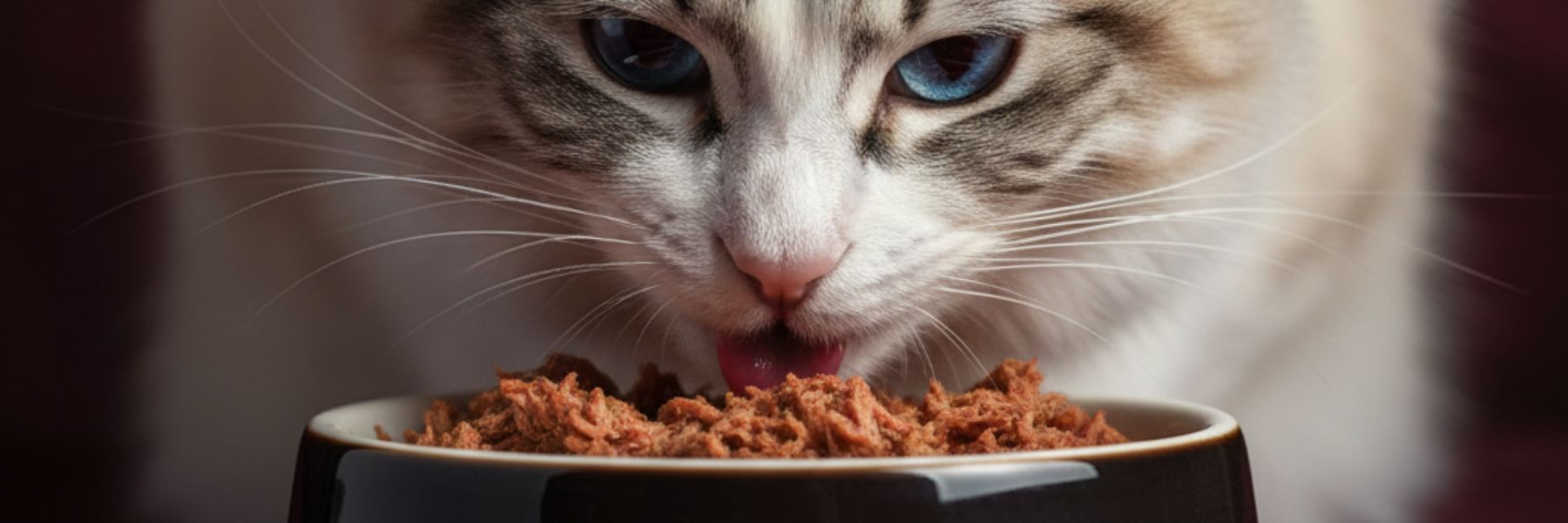
If you are also an owner of a Ragdoll cat, then you must know how much care is needed to keep them healthy. This care depends largely on their diet. Nutrition-rich food is very beneficial for them. In this article, I am going to review 7 of the best cat foods that I believe are ideal for Ragdoll cats.
These nutrient-rich foods help keep your cat’s coat shiny and support healthy digestion. Most Ragdoll cat owners use a high-protein diet rich in taurine, which helps prevent heart-related problems.
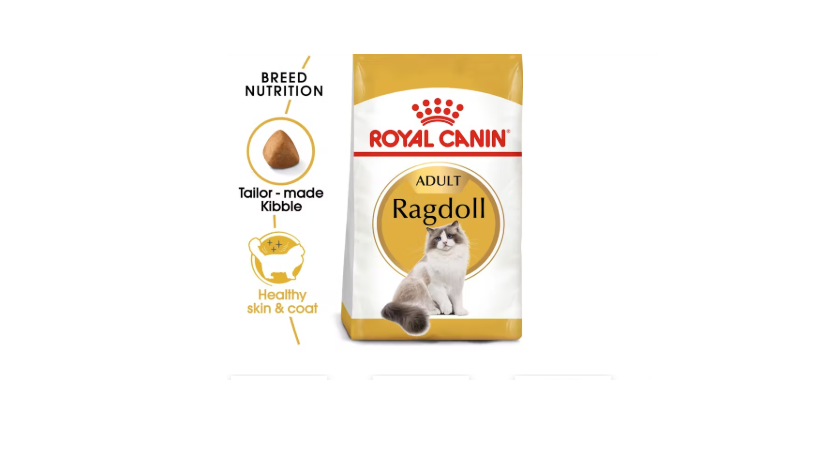
1: Royal Canin Ragdoll Adult
Ragdoll cats, with their relaxed nature and impressive size, thrive on breed-specific nutrition like Royal Canin Ragdoll Adult, which stands out in the Best Cat Foods for its tailored formula. This dry food features dehydrated poultry proteins as the primary ingredient, alongside maize, wheat gluten, and fish oil to deliver essential omega-3 fatty acids that nourish the coat and support joint health, crucial for these larger felines who can weigh up to nine kilograms.
The guaranteed analysis reveals 32% crude protein and 18% crude fat, translating to about 35% protein on a dry matter basis, providing ample energy without overloading carbs, while calories clock in at around 380 kcal per 100 grams to maintain a healthy weight.
Pros include its pyramid-shaped kibble designed for the Ragdoll’s broad jaw, encouraging slower eating to reduce tartar build-up, and added taurine, EPA, and DHA for cardiac function, as heart issues can affect this breed; however, the inclusion of grains might not suit every cat seeking a grain-free option, potentially leading to minor digestive sensitivities in some.
Many owners report shinier coats and fewer hairballs after switching, making it a reliable choice for everyday feeding that aligns with Ragdoll cat nutrition needs. For more details, check out the official product page at Royal Canin UK.
2: Best Dry Food for Ragdolls
When exploring the Best Cat Foods, Ziwi Peak Air-Dried emerges as an excellent dry option, crafted from ethical sources like mackerel and lamb to offer high-protein cat food that mirrors a natural diet.
Key ingredients include 96% meat, organs, and bone, with New Zealand green-lipped mussel adding glucosamine for joint support, vital for Ragdolls prone to mobility concerns as they age.
The guaranteed analysis boasts 38% crude protein and 30% crude fat, which equates to approximately 44% protein on a dry matter basis. At the same time, calories reach 550 kcal per 100 grams, ensuring sustained energy for playful moments without excess weight gain.
Benefits encompass low carbohydrate levels under 3%, probiotics for gut health, and no grains or fillers, which can help with sensitive digestion; on the downside, its premium price and calorie density mean portion control is essential to avoid overfeeding, and some cats might need time to adjust to the air-dried texture.
Facts show this food’s taurine enrichment aids heart health, a key factor since Ragdolls can face cardiomyopathy risks, and many users note improved coat lustre and vitality after regular use.
3: Best Budget Pick
For those on a tighter budget, Sheba Fine Flakes Poultry Collection provides affordable yet nourishing wet pouches with real meat chunks in jelly, focusing on hydration, which is essential for Ragdolls who sometimes under-drink.
Ingredients feature meat and animal derivatives, including 4% poultry like chicken or turkey, minerals, and vegetable protein extracts, creating a complete meal without artificial colours.
The guaranteed analysis indicates 7.5% crude protein and 4.8% crude fat, with high moisture at 86% on a dry matter basis, boosting overall digestibility, and calories around 70 kcal per pouch to suit moderate activity levels.
Advantages include its low cost, variety of flavours to entice picky eaters, and support for urinary health through added moisture; nevertheless, the lower protein might not suffice for very active cats, and the vague “poultry” sourcing could concern some owners seeking transparency.
Interestingly, this food helps reduce dehydration-related issues, common in indoor Ragdolls, and feedback highlights fewer stomach upsets compared to drier alternatives.
4: Best Wet Food
Untamed’s jelly and gravy recipes shine in the Best Cat Foods as a top wet choice, using human-grade meats such as chicken and tuna to deliver a high-moisture diet that promotes weight control and vitality in these laid-back breeds.
Comprising 60-63% whole meats like prime cuts of chicken, duck, or fish, free from grains, sugars, or derivatives, it includes vital amino acids, vitamins A, D, E, and minerals like calcium and zinc for comprehensive health.
Guaranteed analysis shows high protein at 60-63%, low carbs under 3%, and moisture between 70-80%, with calories fitting daily needs of 200-400 kcal for a typical Ragdoll weighing 3.6-9.1 kg.
Strengths lie in its ethical, cruelty-free sourcing, probiotic support for digestion, and appeal to finicky palates through gentle steaming; a potential drawback is the wet format’s shorter shelf life once opened, requiring refrigeration.
Unique details reveal it aids in preventing excessive shedding, a frequent Ragdoll trait, and owners often see enhanced energy and coat shine, making it ideal for all life stages.
5: Best Dehydrated Food
In our roundup, The Honest Kitchen Grain-Free Chicken offers a dehydrated alternative with cage-free chicken and veggies, rehydrating easily into a nutrient-packed meal that supports digestion in sensitive Ragdolls.
Ingredients encompass chicken, eggs, potatoes, flaxseed, and salmon oil, fortified with probiotics and taurine, ensuring a balanced profile without grains or fillers. The guaranteed analysis lists 35% crude protein and 16% crude fat, rising to 42% protein on dry matter, with calories at 512 kcal per cup to fuel their gentle playfulness.
Positives include its human-grade quality, organic kelp for thyroid health, and convenience for travel or as a topper; cons might involve the preparation step of adding water, which could deter busy owners, and a higher price point.
Notably, this food’s fenugreek seed aids in reducing inflammation, beneficial for joint-prone Ragdolls, and reviews praise its role in maintaining healthy weights and vibrant coats.
6: Best Freeze-Dried Option
Stella & Chewy’s Duck Duck Goose earns its spot as a freeze-dried raw option, blending cage-free duck, turkey, and goose with ground bone for raw benefits without the hassle of thawing. Ingredients like turkey liver, pumpkin seeds, and fermentation products provide probiotics and taurine, essential for heart and eye health in this breed.
Guaranteed analysis features 40% crude protein and 30% crude fat, with low moisture at 5%, yielding high dry matter protein around 42%, and calories at 149 kcal per ounce for controlled portions.
Advantages encompass its 98% meat content, no grains or potatoes, and enhanced coat shine from natural oils; however, the raw nature requires careful handling to avoid pathogens, and rehydration might not appeal to all cats.
Fascinatingly, the added glucosamine supports joints, addressing Ragdoll growth facts where males can reach 9 kg, and users report fewer allergies and more enthusiasm at mealtimes. Explore more at Stella & Chewy’s.
7: Best for Sensitive Stomachs
Hill’s Science Diet Sensitive Stomach & Skin uses prebiotic fibres and gentle ingredients to ease tummy troubles common in Ragdolls with delicate digestion. Comprising chicken, brewers rice, corn gluten meal, and chicken fat, it includes omega-6s and vitamin E for skin health.
The guaranteed analysis offers 35% crude protein and 22% crude fat, with dry matter protein at about 39%, and calories near 400 kcal per 100 grams for steady energy.
Strengths feature its vet-formulated approach, easy digestibility, and reduction in vomiting as per owner experiences; a downside could be the grain inclusion, potentially unsuitable for grain-intolerant cats, though it aids in fibre balance.
Key facts indicate prebiotics foster gut microbiome diversity, vital since up to 70% of a cat’s immune system resides in the gut, leading to healthier stools and overall well-being.
Best Cat Foods for Ragdoll Cats — Comparison Table
This table helps you pick the right fit for your pet’s age and needs. This table highlights protein percentages, moisture levels, calories, price ranges, and ideal life stages, drawing from nutritional data to simplify decisions.
Product
Protein %
Moisture Content
Calories
Price Range
Best For
Royal Canin Ragdoll Adult
32%
10%
380 kcal/100g
Mid
Adults
Ziwi Peak Air-Dried
38%
14%
550 kcal/100g
High
Adults
Sheba Fine Flakes
7.5%
86%
70 kcal/pouch
Low
Adults
Untamed Wet
60%
75%
200-400 kcal/day
Mid
All ages
Honest Kitchen Dehydrated
35%
8%
512 kcal/cup
Mid-High
Adults
Stella & Chewy’s Freeze-Dried
40%
5%
149 kcal/oz
High
Adults/Seniors
Hill’s Sensitive Stomach
35%
10%
400 kcal/100g
Mid
Adults with issues
There you have it—a handy overview to match foods with your Ragdoll’s lifestyle, whether they’re a kitten needing growth support or a senior requiring gentle nutrition. Always consult your vet for personalised advice, as individual needs vary.
FAQs
Do Ragdolls need a special diet?
Ragdolls do not need a special diet, but they require high-protein, meat-based food with proper hydration and minimal fillers.
What is the 3-3-3 rule for cats?
The 3-3-3 rule describes adjustment periods: three days to decompress, three weeks to learn routines, and three months to feel at home.
What is the silent killer of cats?
Kidney disease is often called the silent killer of cats because symptoms develop slowly and remain unnoticed until advanced stages.
What are signs of a happy cat?
A happy cat shows relaxed body posture, slow blinking, gentle purring, a healthy appetite, playful behaviour, and social comfort.
What is the most difficult age for cats?
The most difficult age for cats is typically adolescence, between six months and two years, when behavioural changes and high energy peak.
Alvina is a dedicated cat owner and feline care enthusiast with hands-on experience caring for multiple cats. She shares practical, research-backed guidance on cat training, nutrition, and behaviour through KittyCornerBlog, helping cat parents make informed, responsible care decisions.
10 Proven Mental Health Benefits of Having a Cat Mental health benefits of having a cat include reducing stress, improving mood, providing companionship, and supporting overall emotional wellbeing for…