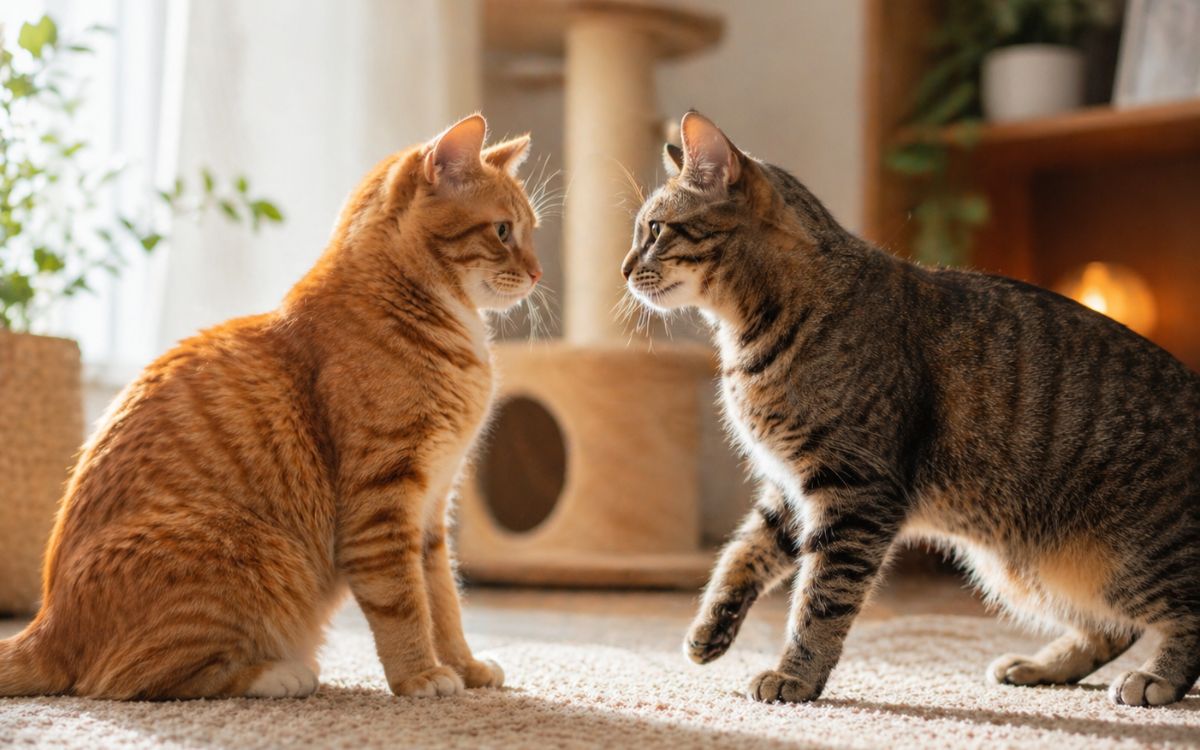
Should you get a second cat? It’s a question many owners ask when they notice their cat sleeping more, staying alone, or simply seeming bored. A second cat can feel like the perfect solution—someone to play with, bond with, and keep your pet company. But the reality isn’t always that simple. Without a clear understanding of feline behaviour, this well-meaning decision can sometimes do more harm than good.
Many people assume another cat will instantly solve loneliness or behavioural issues. In truth, poor compatibility can lead to stress, conflict, and even aggression instead of companionship. Before bringing a new cat into your home, it’s important to look beyond emotions and consider whether it truly supports your cat’s long-term wellbeing.
Do Cats Really Need a Companion?
Many people wonder, do cats need a companion or will another cat help my cat? The truth is, cats are flexible in their social behaviour. Some enjoy company, while others prefer living alone and forming strong bonds with humans instead.
However, boredom is often confused with loneliness. Instead of needing a second cat, your pet may require more cat enrichment or engaging indoor cat activities. Misreading this can disturb their cat territory, leading to tension rather than comfort.
Is Your Current Cat Ready for Another Cat?
Before deciding whether getting another cat is a good idea, assess your cat’s personality. Some cats adapt easily, while others resist change due to strong territorial instincts. This is especially important for older pets needing senior cat adjustment.
Energy levels also matter. A mismatch between a playful kitten and a calm adult can lead to stress. Understanding cat compatibility helps prevent issues and ensures better cat bonding if you choose to adopt.
Things to Consider Before Getting Another Cat
Time commitment and daily care
When asking what to do before adopting a second cat, consider your daily routine. A multi-cat household requires more time for feeding, cleaning, and play. Managing two cats means balancing attention while maintaining consistent care.
Financial responsibility
Costs increase quickly with another pet. Food, vet visits, and emergencies must be planned. Ignoring this can affect a cat’s well-being, especially if both cats cannot receive proper care when needed.
Space requirements and home setup
Meeting proper cat space requirements is essential. Cats need room to feel safe and avoid each other when necessary. Limited space can increase cat aggression and create tension within shared cat territory.
Long-term responsibility
Cats live for many years, so adopting another cat is a long-term decision. You must be ready to support both pets throughout their lives while maintaining a stable cat environment.
How to Introduce Cats Properly (Step-by-Step)
Why slow introductions matter
The cat introduction process should never be rushed. A slow approach reduces fear and supports healthy cat interaction. Most importantly, it helps prevent long-term stress and behavioural issues in cats.
Preparing a separate space
Start by creating a safe, separate area for the new cat. This allows both cats to adjust gradually without direct contact. A controlled cat environment helps reduce anxiety during the early stages.
Scent swapping techniques
Cats rely heavily on scent. Swapping bedding or toys allows them to become familiar without meeting face-to-face. This simple step supports smoother cat bonding and reduces tension.
Controlled visual introductions
Once both cats seem calm, allow them to see each other through a barrier. This controlled exposure helps monitor feline behaviour and prevents sudden cat conflict.
First face-to-face meeting
Initial meetings should be short and supervised. Calm interactions help build trust and prevent cat aggression. If tension rises, separate them and try again later.
Common mistakes to avoid
Rushing the process or forcing interaction often leads to failure. Ignoring signs of cat stress can create long-term issues, making it harder to fix the relationship later.
How to Help Cats Get Along
Resource management (food, litter, space)
Providing separate resources reduces competition. Each cat should have access to food, litter, and resting areas. This prevents cat conflict and supports harmony.
Creating vertical territory
Vertical spaces like shelves give cats room to escape tension. Expanding cat territory helps reduce stress and encourages peaceful coexistence.
Reducing competition
Equal attention and fair distribution of resources prevent jealousy. This improves overall cat wellbeing and reduces tension in daily interactions.
A simple rule is one litter box per cat plus one extra. This prevents territorial disputes and supports a clean, stress-free cat environment.
Feeding strategies
Separate feeding areas reduce food guarding. This helps maintain peace and prevents unnecessary cat aggression during meals.
Play and attention balance
Each cat needs individual attention. Balanced interaction prevents jealousy and supports healthy cat interaction between pets.
Preventing jealousy and stress
Maintaining routine helps reduce anxiety. Recognising early signs of cat stress allows you to act before problems grow.
Final Decision: Is Getting a Second Cat Right for You?
If you’re still asking, should I get a second cat? Take time to evaluate everything carefully. A thoughtful decision ensures better cat wellbeing and avoids unnecessary challenges.
In some cases, fostering first can help test cat compatibility. Ultimately, a successful multi-cat household depends on patience, preparation, and understanding your cat’s true needs.
FAQs
How do I know if my cat needs another cat?
Look for boredom, excessive energy, or attention-seeking behaviour. However, these often mean your cat needs more stimulation, not necessarily another cat.
What is the 3-3-3 rule for adopting cats?
It means 3 days to decompress, 3 weeks to settle, and 3 months to fully adjust to a new home.
Are cats happier living with another cat?
Some are, especially social cats or bonded pairs. Others prefer being alone, so happiness depends on personality and compatibility.
Are cats okay to live without other cats?
Yes, most cats live happily alone if they receive enough attention, enrichment, and mental stimulation from their environment and humans.
Alvina is a dedicated cat owner and feline care enthusiast with hands-on experience caring for multiple cats. She shares practical, research-backed guidance on cat training, nutrition, and behaviour through KittyCornerBlog, helping cat parents make informed, responsible care decisions.