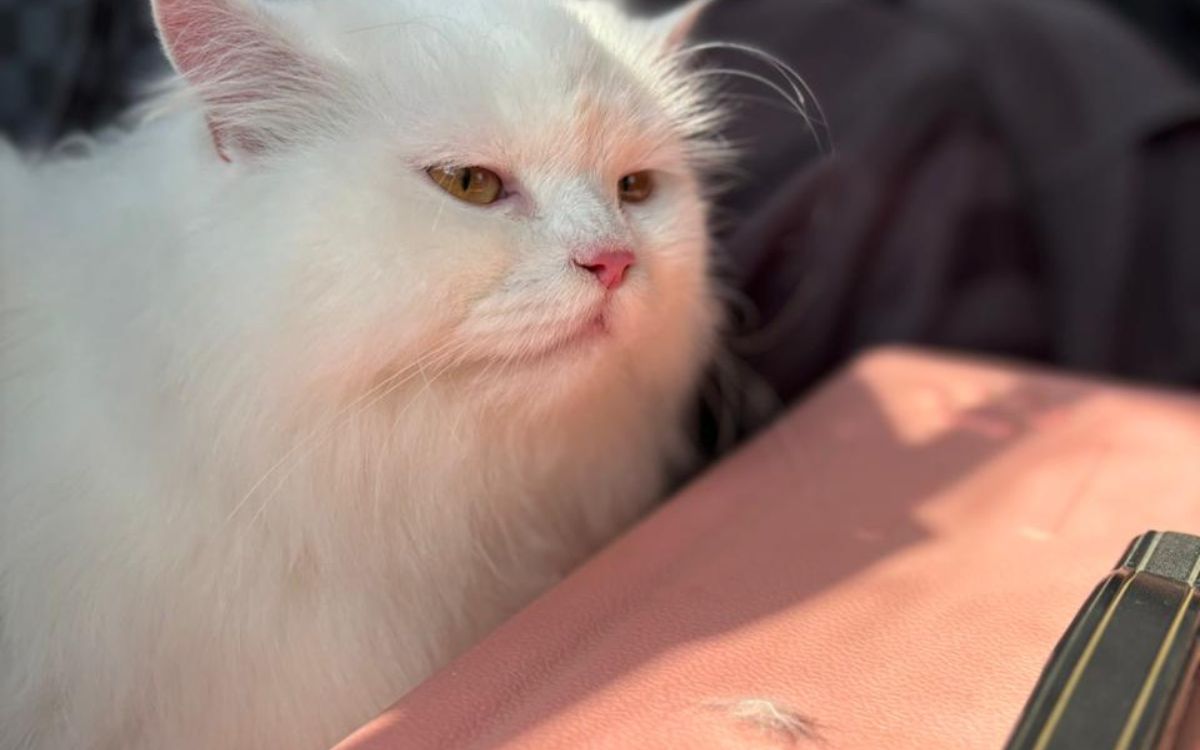
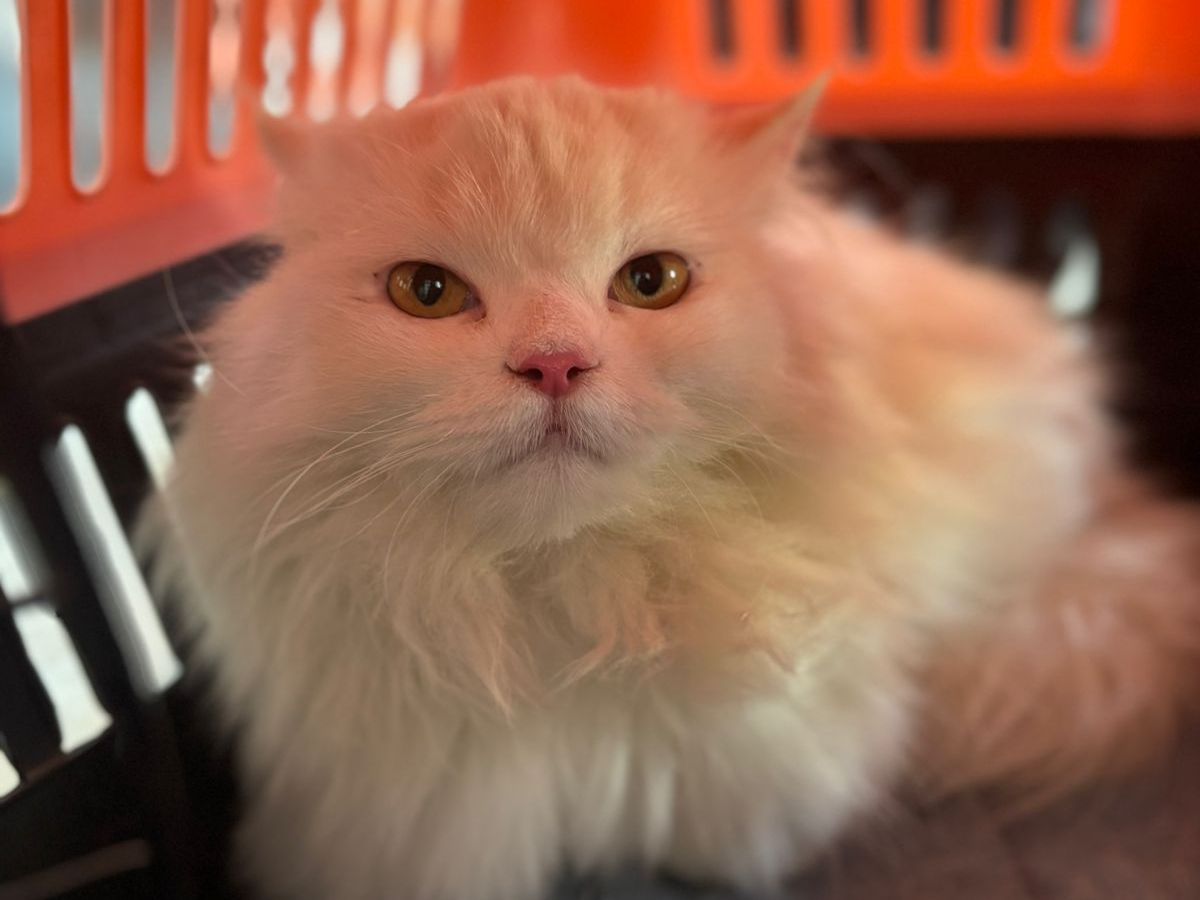
Cats at the vet: You notice your cat dash under the sofa the moment the carrier appears and you ask yourself why do cats hate going to the vet. Cat vet anxiety builds quickly because these trips pull them from their safe world into something unknown. Their instincts scream danger even when you mean well. You can ease that worry with smart preparation that respects their nature and turns the whole experience around.
Simple changes make a huge difference for your feline friend. You learn their triggers and respond with patience so why cats fear vet visits fades over time. Regular practice helps them feel more in control. Your calm approach shows them the vet is not the enemy and builds lasting trust.
Top Reasons Cats Hate Going to the Vet
1. Negative Associations from Past Experiences
Do cats remember bad experiences at the vet? They absolutely do and those memories stick fast. Pain from injections or illness creates fear conditioning so your cat links the clinic with discomfort.
Cat negative experiences pile up and feline behaviour at vet turns defensive. You break the cycle with tasty treats and gentle handling at home first. Positive links replace the old fear and cat vet anxiety drops noticeably.
2. Change in Routine & Territory Disruption
Cats love consistency yet sudden schedule changes throw them off balance. Cat routine disruption hits hard when their safe home bubble bursts. You keep outings short and predictable to calm their nerves right away. Familiar scents inside the carrier help them feel secure during the shift.
3. Leaving Home & Entering an Unfamiliar Environment
Territorial instincts kick in the second your cat leaves their kingdom. Unfamiliar environment stress blooms fast so they freeze or fight back. You make the journey safer with a blanket that smells like home. Your steady voice reassures them every step of the way.
4. Overwhelming Smells, Sounds, and Sights
Sensitive hearing and smell turn the clinic into pure sensory overload. Cat sensory overload from dogs barking or strange odours heightens cat stress at veterinary clinic. You choose quiet appointment times to shield them from the chaos. A light cover over the carrier cuts visual stress too.
5. Stress of Car Travel
Cat travel stress often stems from motion and worry not just the ride. Lack of control makes every turn feel scary. You secure the carrier and play soft music to ease car travel anxiety in cats. Smooth driving keeps things steady and your cat stays calmer.
6. Being Restrained or Handled by Strangers
Loss of control sparks quick defensive reactions. Cat fear of strangers makes handling feel threatening so they lash out. You chat calmly with the vet and let your cat explore the room first. Gentle touch rebuilds confidence and reduces cat restraint stress.
7. Illness, Pain, and Discomfort
Cats hide weakness by instinct yet they associate the vet with feeling unwell. Cat illness hiding instinct grows because they link the place to sickness. You schedule regular check-ups before problems flare up. Early visits prevent bigger issues and keep feline behaviour at vet more relaxed.
Signs Your Cat Is Stressed About Vet Visits
You spot signs like hiding under furniture or sudden aggression when the carrier comes out. Excessive vocalisation or refusing to enter the carrier shouts discomfort loud and clear. Handling stressed cats starts with noticing these clues early.
Watch for pacing, trembling or dilated pupils too. You step in with calming a stressed cat techniques before panic sets in. Spotting them turns potential chaos into manageable moments and your cat feels understood.
How to Make Vet Visits Less Stressful for Your Cat
Before the Vet Visit
You set the stage for success long before you leave home. Cat carrier training turns the box into a favourite hangout with treats and toys inside. Plan the timing carefully so you avoid rush hour traffic.
Choose the Right Carrier
A sturdy top-opening carrier gives your cat more control and feels secure. You pick one that fits their size and lets them stand or turn easily. Familiar bedding inside makes it cosy from the start.
Help Your Cat Get Used to the Carrier
Leave the carrier open in a busy room with favourite toys and meals inside. How to get your cat into a carrier (easily) becomes natural after a few weeks of practice. Your cat walks in willingly every time.
Use Calming Aids (Pheromones)
Feliway spray mimics natural feline scents and eases nerves fast. Studies show it helps reduce stress during consultations. You spritz the carrier thirty minutes before you leave and notice calmer behaviour straight away. For more details on proven results check FELIWAY
Plan the Timing Carefully
Book the first slot of the day to skip long waits. You keep the whole routine smooth and stress-free from start to finish. A short practice run the day before builds confidence too.
Keep the Carrier Stable in the Car
Secure the carrier on the seat with a seatbelt so it does not slide. You drive gently and talk softly to your cat the whole way. For expert carrier advice see Cats Protection guide
Reduce Noise and Stress
Play quiet music and cover the carrier lightly for security. You cut distractions and arrive with a far less worried feline. Wait, adjust to meet min: You cut distractions with soft tunes and a light cover. Your cat stays calmer and the journey feels shorter for everyone.
After the Vet Visit
The clinic scent lingers and disrupts their home identity for hours. You expect hiding or grumpiness and give them space to readjust. The clinic scent lingers and disrupts their home identity for hours after return. You expect hiding or grumpiness and give them space to readjust fully.
Why Your Cat May Act Differently After the Vet
Your cat may hide or skip meals because the vet smell clings to their fur. Cat behavioural responses show they need time to reset in their own territory.
How to Rebuild Trust With Your Cat
Offer favourite food and extra playtime without forcing contact. You rebuild the bond gently and they forgive the adventure quickly with plenty of affection.
Conclusion
While vet visits may never become your cat’s favourite experience, they don’t have to be a battle either. With the right approach, you can create a calmer, safer experience that protects not only their health, but also their sense of security. Because a relaxed cat isn’t just easier to handle — it’s a happier, healthier companion.
FAQs
Is it normal for cats to hate the vet?
Yes, it’s normal. Cats feel stressed by unfamiliar environments, strange smells, handling, and past negative experiences during vet visits.
What is "I love you" in cat language?
Cats show affection through slow blinking, head bunting, purring, staying close, and gently rubbing against you to mark you as safe.
Why do cats get angry at vets?
Cats appear angry due to fear, stress, restraint, pain, and sensory overload, not actual anger, triggering defensive or aggressive behaviour. Cats appear angry due to fear, stress, restraint, pain, and sensory overload, not actual anger, triggering defensive or aggressive behaviour.
Alvina is a dedicated cat owner and feline care enthusiast with hands-on experience caring for multiple cats. She shares practical, research-backed guidance on cat training, nutrition, and behaviour through KittyCornerBlog, helping cat parents make informed, responsible care decisions.