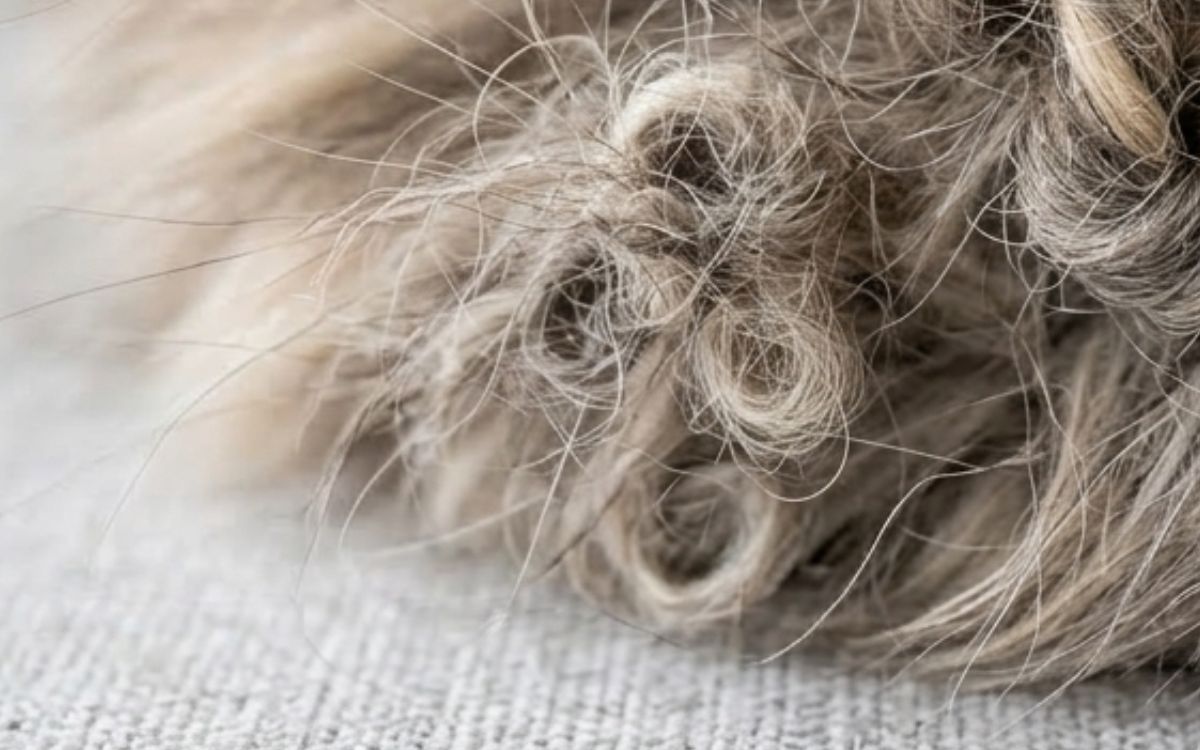
Cat fur matting occurs when loose hairs become tangled together. These mats often start small, but if left unattended, they can grow into tight knots that cause discomfort for your pet. As a result, your cat may groom itself excessively in an attempt to remove them You can commonly feel these mats in areas like the back, belly, and legs. They are often noticeable while petting your cat—if you gently run your hand over its coat and feel a knot, it’s a clear sign that regular brushing is needed.
Why Does Cat Fur Get Matted? (Main Causes)
Many everyday factors can contribute to cat fur matting, but the most common cause is a lack of grooming. When your schedule becomes busy and you’re unable to make time for regular brushing sessions, loose hairs begin to tangle and form mats.
To prevent this, it’s important to prioritise brushing as part of your routine. Regular grooming helps keep your cat’s coat smooth and ensures your pet feels comfortable and at ease.
Which Cats Are More Prone to Matting?
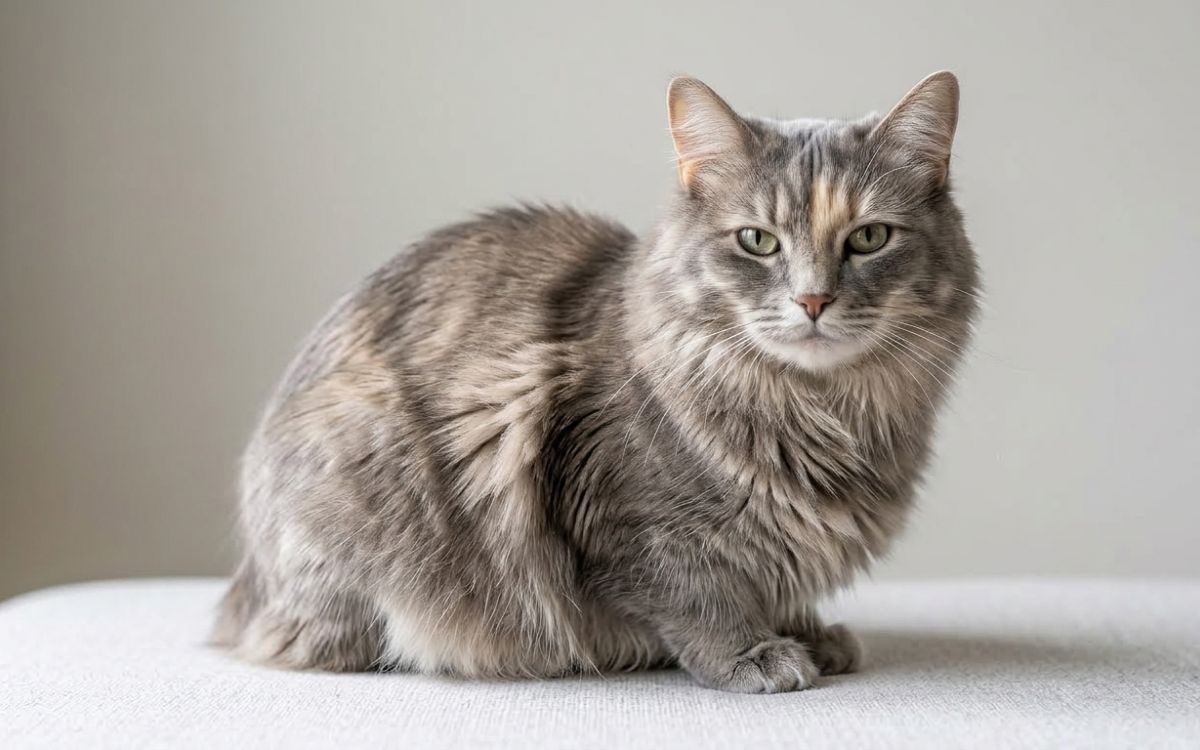
Severe matting is most commonly seen in long-haired breeds such as Persian and Maine Coon cats, as their thick, lengthy coats are more prone to tangling. It is also frequently observed in older or overweight cats, as they may struggle to groom themselves properly.
With age or limited mobility, their ability to maintain their coat becomes restricted. In comparison, outdoor cats often keep themselves cleaner than indoor cats, as they tend to groom more actively.
The Hidden Dangers of Matted Cat Fur
Matted fur can trap moisture and dirt against the skin, leading to irritation, inflammation, and even painful bacterial or fungal infections.
Tight mats pull on the skin, causing discomfort and limiting your cat’s natural movement, making simple activities like walking or stretching difficult.
Dense mats create an ideal hiding place for parasites like fleas and ticks, allowing infestations to go unnoticed and worsen over time.
Accumulated dirt, oils, and debris within matted fur can result in poor hygiene, unpleasant odours, and an overall unhealthy coat condition.
Best Grooming Tools for Cat Fur (Expert Guide)
A quality slicker brush for cats works brilliantly to lift out loose hair and break up early tangles without harsh pulling. You use light strokes and watch mats loosen gently over a few sessions.
Dematting comb carefully splits stubborn knots when you hold it at the right angle and apply minimal pressure. Wide-tooth combs slide smoothly through longer fur, while detangling sprays soften tough areas first to make everything easier and kinder.
Grooming tools for cats turn a tricky job into quick, happy bonding moments. You choose safe, cat-friendly options and suddenly the whole cat grooming routine feels relaxing.
For solid advice on choosing tools, check this helpful guide from International Cat Care: Grooming your cat. Your toolkit stays simple yet effective for keeping cat fur matting under control.
How to Brush Your Cat Correctly
Start brushing from the head and move gently down toward the tail. Always brush in the direction of hair growth to help loosen knots effectively without causing discomfort.
Try to detangle knots first using your fingers before using a brush. Avoid using scissors, as they can accidentally cut your cat’s delicate skin.
Keep your pressure soft and gentle—use one hand to brush while placing your other hand lightly on your cat’s skin. This helps prevent pulling and allows the knots to loosen more comfortably.
How Often Should You Brush Your Cat?
Long-haired cats require regular brushing, especially during heavy shedding seasons when loose fur becomes more noticeable. Each grooming session should ideally last 5 to 10 minutes.
Short-haired cats, on the other hand, typically need brushing two to three times a week. The frequency of brushing ultimately depends on your cat’s breed and coat type.
9 Expert Tips to Prevent Cat Fur Matting Text Here
Maintain a consistent brushing routine to remove loose hair and prevent tangles from forming, especially in long-haired cats prone to matting.
Provide a balanced diet and proper hydration, as healthy skin and coat condition play a key role in reducing mat formation.
Bathe your cat occasionally using gentle, cat-safe products to remove dirt, oils, and buildup that can contribute to tangling.
Always keep your cat’s fur clean and completely dry, as damp or dirty coats are more likely to develop stubborn mats.
Trim fur in problem areas like under the legs, belly, and around the tail, where tangles commonly develop and worsen quickly.
Regularly monitor your cat’s overall health, as issues like obesity, aging, or illness can reduce grooming ability and increase matting risk.
Use the right grooming tools, such as slicker brushes or wide-tooth combs, designed specifically to detangle and maintain your cat’s coat.
Create a consistent grooming schedule based on your cat’s breed and coat type to ensure proper care and prevent neglect.
Reduce stress during grooming by keeping sessions calm, gentle, and positive, helping your cat stay relaxed and cooperative throughout the process.
Final Thoughts: Keeping Your Cat’s Coat Healthy
You can only keep your cat truly healthy by paying attention to all of its needs. Regular brushing is especially important for long-haired cats, while a nutritious diet plays a vital role in maintaining a thick, healthy coat.
Cats naturally groom themselves, as they are very clean animals. However, this alone is not always enough. Adding regular brushing sessions helps remove knots, keeps their fur smooth and silky, and ensures your cat stays comfortable and happy.
FAQs
How to remove knots from cat fur?
Gently loosen knots using fingers or a dematting comb, working slowly from edges. Avoid pulling; keep your cat calm and comfortable.
Is matted fur painful to cats?
Yes, matted fur can pull on the skin, causing pain, irritation, restricted movement, and even infections if left untreated for long.
What to do if my cat has a lot of knots?
If knots are severe, avoid home removal. Seek professional grooming or veterinary help to safely remove mats without harming your cat.
Alvina is a dedicated cat owner and feline care enthusiast with hands-on experience caring for multiple cats. She shares practical, research-backed guidance on cat training, nutrition, and behaviour through KittyCornerBlog, helping cat parents make informed, responsible care decisions.