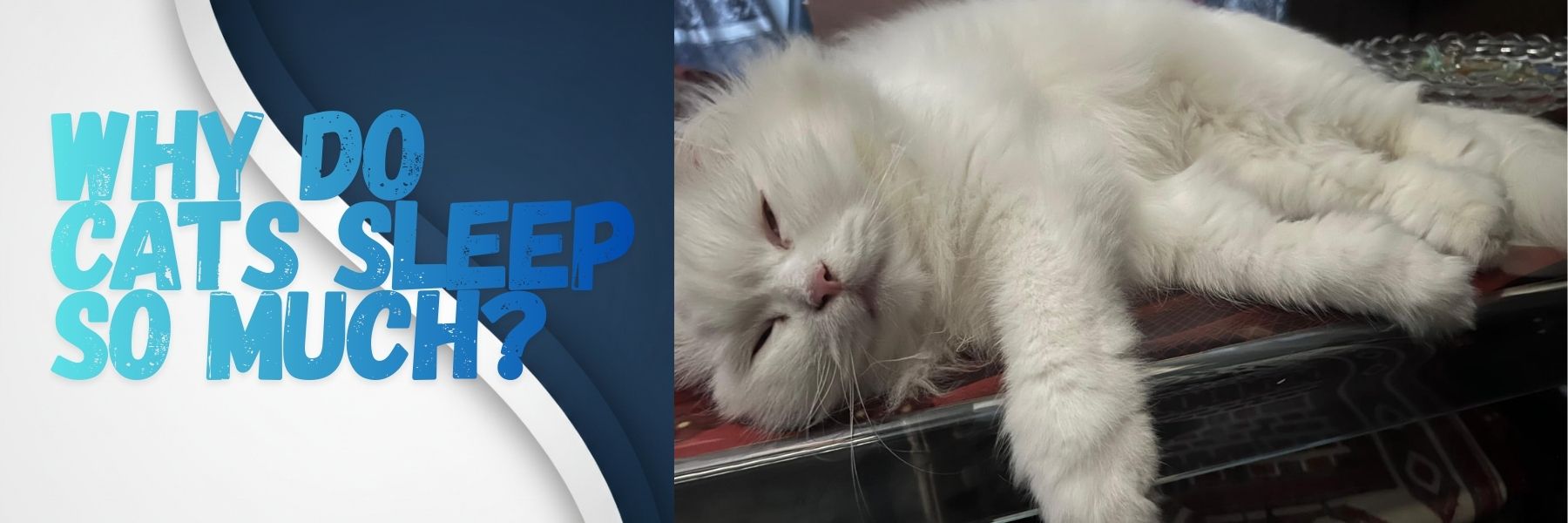
Why do cats sleep so much? Many cat parents find their beloved companions sleeping in the sunlight or during playtime. This is a very common thing because this trait comes from their instincts and biology. To stay active and energetic, they take a large amount of sleep. Science has shown that cats follow a sleep pattern known as polyphasic sleep.
For example, if we look at humans, they usually take one long sleep at night and remain active throughout the day. In contrast, instead of one long sleep, cats complete their sleep in short periods at different times during the day. They sleep up to 16 hours or even more. So, in this guide, we will discuss 8 interesting reasons behind why cats sleep so much..
How Many Hours a Day Do Cats Sleep?
Cats are famous for sleeping a lot. Adult cats sleep for 16–20 hours, while kittens need about 20 hours of sleep to complete their rest. Similarly, when it comes to senior cats, they need around 16 hours of sleep. Keep in mind that every cat’s sleeping time depends on their age and lifestyle.
Cats have a polyphasic sleep pattern, which breaks their sleep into intervals throughout the day instead of one long period. This pattern also helps them stay alert to their surroundings even while resting.
Why Do Cats Sleep So Much?
Why do cats sleep so much? Remember, cats are not lazy. Their resting for long periods is actually a smart way to conserve energy and use it during hunting or other activities, such as pouncing on toys, roaming around the house, or cuddling.
This behaviour comes from their predatory instincts. Keep in mind that indoor cats sometimes sleep more and sometimes less, while outdoor cats generally sleep more because searching for food and moving around uses a lot of their energy.
To regain that energy, they need more rest. Now, we will discuss in detail the 8 reasons that are truly responsible for their sleeping so much.
They’re Taking Catnaps
Cats take short naps throughout the day, which is actually a pattern of polyphasic sleep. Most cats nap for about 15–30 minutes, and sometimes for 45 to 60 minutes. These catnaps recharge their system, and when they wake up, they come back with renewed energy, which you have probably noticed.
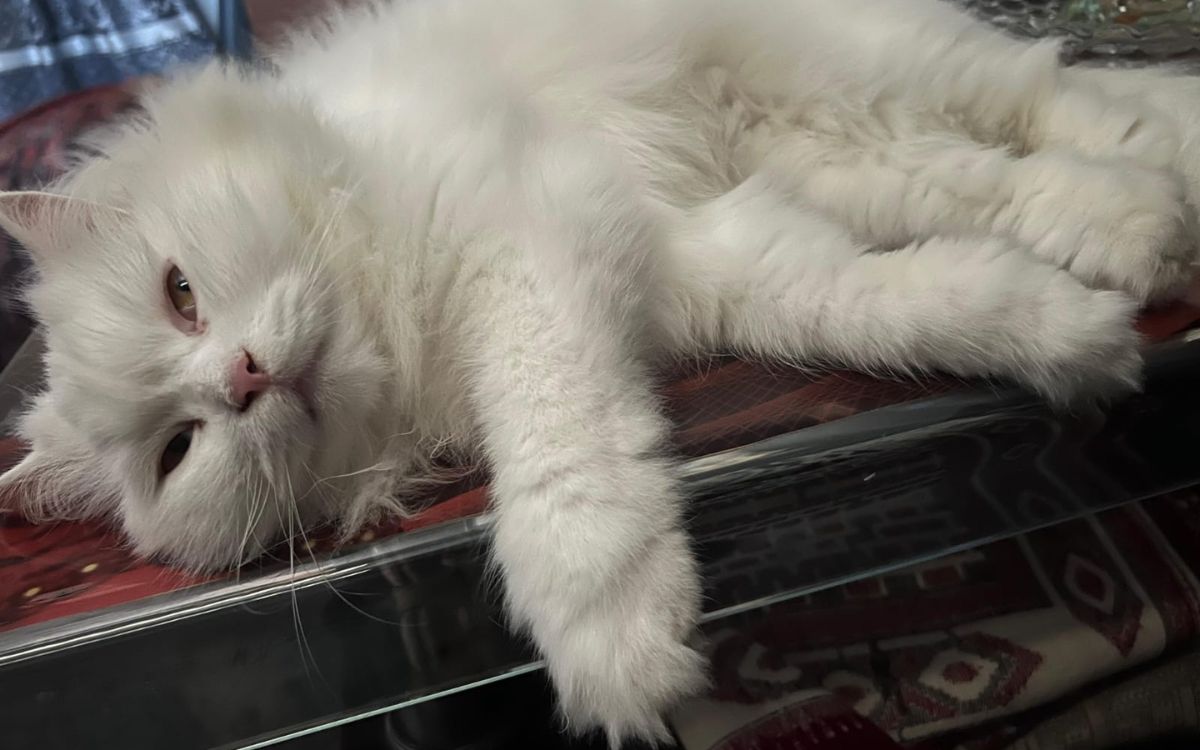
So, if you ever see your cat sleeping during the day in strange positions—such as sprawled out or curled up tightly—it means your cat is feeling very comfortable and relaxed.
They’re Conserving Energy
If your cat is sleeping a lot, one important reason is that she is conserving her energy so she can use it properly in the days ahead. In fact, this instinct comes from wild hunting cats, and indoor cats also maintain this instinct by saving their energy and using it for sudden bursts of activity or attacks. Research indicates that sleep helps regulate their metabolic rates.
Your Cat Isn’t Actually Sleeping
Sometimes you may feel that your cat is sleeping, but her tail is moving or one eye is slightly open. In that case, know that your cat is not fully asleep—she is in a light doze.
She is aware of her surroundings and alert to sudden movements or attacks. This habit comes from wild cats, who take light naps while hunting—resting briefly but remaining watchful and alert.
They’re on Their Own Time
Cats are creatures of routine and prefer to do things on their own schedule. Most cats are more active in the early morning and evening, which is why they get tired during the day and rest more.
You may be surprised to know that wild cats also mostly rest during the daytime and become active in the evening, because the light is softer at that time and hunting becomes easier. Indoor cats actually follow the same natural rhythm.
Your Cat Is Adjusting to the Time of Year
With changes in the seasons, cats’ sleeping patterns also change. For example, in winter the days are shorter, so cats tend to sleep more. In contrast, summer days are longer, and during summer cats usually sleep a normal amount or sometimes even less.
In winter, they need more sleep to properly maintain their energy levels and to keep themselves warm. This adjustment ensures that cats manage their energy efficiently according to seasonal changes.
They’re Stressed or Anxious
Stress or anxiety in cats can be indicated by excessive sleeping. If your cat is hiding behind or inside furniture, has lost her appetite, and is sleeping more than usual, these can all be signs of stress or anxiety.
Common causes of stress include a new animal entering the home, changes in the household, or loud noises. If you notice too many changes in your cat’s behaviour, consult a veterinarian.
Signs Your Cat In Stressed (And How to Help )
This guide explains the key signs of stress in cats, common triggers, and practical steps owners can take to reduce anxiety and improve wellbeing.
When a cat is sick or feeling discomfort, she may sleep more than usual. Health concerns such as hyperthyroidism, kidney problems, or infections can be underlying causes. Cats often sleep more to cope with or reduce the feeling of pain.
In addition, a decrease in appetite or noticeable lethargy can also be signs of illness. If you notice sudden changes, consult a veterinarian. For more on cat health concerns, check this resource from PetMD: Why Do Cats Sleep So Much?.
Cat Sleep Behaviour Explained
A cat’s sleeping behaviour is an interesting sight. You may find them sleeping in strange positions, from moving around in their sleep to keeping their eyes half open. Cats prefer comfortable and peaceful places for sleeping, so disturbances that may cause discomfort to your indoor or outdoor cats should be avoided.
Often, cats wag their tails while sleeping, move their ears, or sleep with one eye half open. At that time, they are in a light doze. However, when your cat curls its mouth and paws while sleeping, it is in a deep sleep and dreams begin. At this stage, it enters REM sleep.
When cats wake up from sleep, they stretch and scratch. This behaviour is linked to their hunting instincts, as it helps keep their paws and muscles agile and strong.
Where Should My Cat Sleep?
Where should your cat sleep? Prioritize safe, peaceful, and comfortable spots for them. Examples include high perches, your bed, or a couch—but remember, whatever spot you choose should be warm and cosy.
Outdoor cats usually prefer sunny areas, while indoor cats tend to choose soft places that make them feel secure and relaxed. For tips on cat bed options, see this guide from Blue Cross: Cats and Sleep: FAQ.
FAQS
Is it normal for cats to sleep all day?
Yes, cats naturally sleep 12–18 hours daily, conserving energy and following instinctive sleep patterns.
Do cats sleep for 70% of their lives?
Yes, cats spend around 70% of their lives sleeping, especially kittens and senior cats.
Do cats get sad when you leave?
Some cats may feel lonely or anxious when you leave, but most adapt well with routine, comfort, and enrichment.
Is my cat happy if he sleeps a lot?
A well-fed, relaxed cat often sleeps more; excessive sleep is normal unless accompanied by behaviour or health changes.
Alvina is a dedicated cat owner and feline care enthusiast with hands-on experience caring for multiple cats. She shares practical, research-backed guidance on cat training, nutrition, and behaviour through KittyCornerBlog, helping cat parents make informed, responsible care decisions.