A cat care routine, in a way, updates a kind of lesson within your cat. As you take care of your cat every day—from playtime to feeding—everything becomes part of her habits. Your cat becomes used to it. You clean her litter every morning, so now your cat has developed that habit. Imagine if one day you forget to clean the litter tray—your cat won’t use it until it’s cleaned.
In this way, your cat has developed a very good habit of cleanliness. Cats naturally like to stay clean. By caring for your cat daily, you build a good bond between you and your cat, and by looking after her, you help her stay healthy. When your cat is happy, you’ll see fewer vet visits and more purrs.
Why a Daily Routine Is Important for Cats
Just like humans maintain balance in their lives by following their daily routine, the same is true for cats. A daily cat care routine keeps your cat safe from stress, anxiety, and many health issues like obesity.
Another big advantage is that if your cat is about to get sick, you can notice the signs early. For example, if your cat has stomach pain, she won’t eat, she’ll hide under the table, or she’ll meow. By observing these signals early, you can save your cat from a bigger problem and enjoy a long, healthy life with your pet. Check resources like RSPCA’s cat care guide for more tips.
Cat Care Daily Routine: 7 Essential Steps
1. Fresh Food and Portion Control
At the start of the morning, give your cat fresh wet food. But avoid giving too much food at once, because cats prefer eating small amounts throughout the day rather than a large meal at one time. So, keeping your cat’s diet in mind, divide the food into portions.
This way, your cat won’t gain extra weight and will still get enough energy. Cats need food 2–3 times a day, while kittens need it 4–5 times. If your cat gets hungry frequently, give small portions each time and set her on a proper routine.
2. Provide Fresh Water
Change the water daily to keep it clean. Cats usually ignore dirty water or a dirty bowl, which can lead to dehydration. If your cat drinks very little water, use a water fountain. The flowing movement encourages them to drink more because cats like running water. Any task that your pet refuses to do—try connecting it with their favourite game, and then see how well your pet responds.
3. Clean the Litter Box
To maintain good health, clean the litter tray regularly. If the litter gets too dirty, clean it twice a day. Once a week, wash the litter tray thoroughly and then replace the litter.
Use unscented litter or one with a mild fragrance, as cats dislike strong odours. By following these small steps, you create an excellent environment for your cat, helping her stay stress-free and happy.
Struggling With Litter Box Cleaning? Here’s a Full Guide
Regular cleaning prevents odour, bacteria, and litter box refusal. Explore this detailed guide to learn how to clean a cat litter box correctly.
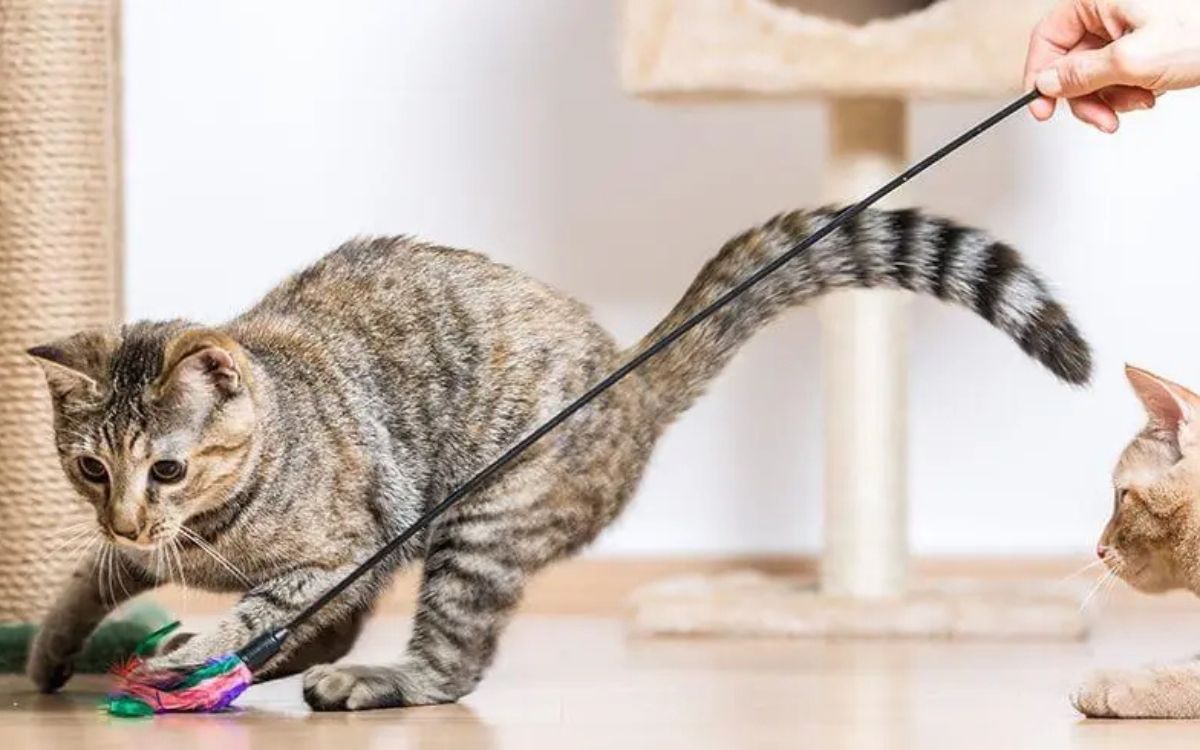
Give your cat 15–20 minutes of dedicated playtime every day. Engage her with a variety of games such as hide and seek, soft toys, or a wand toy with a dangling fish. Cats are naturally attracted to moving, hanging objects and will make every effort to catch them.
This instinct comes from their wild ancestry, where they would watch and hunt fast-moving prey such as sparrows or small insects.
You can also incorporate puzzle games into their routine to support mental enrichment. Regular play keeps your cat active, helps maintain her overall well-being, and reduces anxious behaviours such as scratching furniture
5. Grooming and Hygiene
Groom your cat daily or on alternate days. Regular grooming helps remove damaged or loose hair, and while brushing, you can also check for fleas and monitor the condition of the skin. Short-haired cats can be brushed every 4 days or once a week, while long-haired cats should be brushed on alternate days.
This keeps their coat shiny, healthy, and strong. Cats can develop fleas, so early detection allows you to begin treatment quickly. Complete grooming also includes nail trimming and ear cleaning. Trim your cat’s nails once every two weeks, and clean the ears on alternate days.
Brush your cat’s teeth once or twice a week using pet-safe toothpaste. To make tooth-brushing easier, offer dental treats and toys that promote oral health. This helps prevent bad breath and significantly reduces the risk of dental diseases.
With proper dental care, you can also avoid costly visits to the veterinarian. Brush teeth with pet toothpaste twice weekly. Offer dental treats or toys. This wards off plaque and bad breath, avoiding costly vet trips.
6. Final Meal or Small Snack
At the end of the day, offer your cat a light meal—such as biscuits that contain fish or salmon flavour. Giving a lighter diet in the evening makes digestion easier. Instead of feeding large quantities, focus on providing nutrient-rich food.
7. A Short Training Session Like Sit, Touch, Recall
Add occasional learning sessions to your cat’s daily routine to make it more engaging and stimulating. For example, teach simple commands like “sit,” or help your cat learn to recognize her name.
Repeatedly call her name while gently encouraging her to come toward you, and reward her with a treat when she responds. This positive reinforcement helps her learn faster.
Begin each training session with just 5 minutes, then gradually increase the duration to 7 minutes and eventually 10 minutes. These training activities help sharpen your cat’s mind and improve her overall behaviour.
Cat Training Made Easy: Teach Your Cat to Sit
Cats can learn commands with patience and rewards. Want to try? Follow this easy guide to train your cat to sit step-by-step.
Gently hold your cat, cuddle her, and stroke her head and the area under her neck. Look into your cat’s eyes and slowly blink. Cats also express their affection through slow blinking—this is their way of giving a “silent eye kiss.”
Incorporating these calm moments into your daily routine strengthens the bond between you and your cat and helps reduce any stress or anxiety she may feel.
Conclusion
By following your cat’s daily care routine, you transform pet ownership into a source of joy. In this 2025 guide, we explored seven essential steps—from feeding your cat to strengthening your bond with her.
By putting these steps into practice, you can fill your pet’s life with happiness and build a strong, loving connection that your cat will truly enjoy. For unique toys, explore Petco’s enrichment ideas.
FAQS
How to take proper care of a cat?
Proper cat care includes feeding on schedule, clean water, litter box maintenance, grooming, playtime, affection, and regular vet check-ups.
What is the 3-3-3 rule for cats?
The 3-3-3 rule means 3 days to adjust, 3 weeks to feel comfortable, and 3 months to fully settle and trust.
What is a routine care for a cat?
Routine care includes daily feeding, fresh water, grooming, litter cleaning, playtime, health monitoring, and providing a safe, enriched environment.
Do and don'ts with cats?
Do provide love, routine, enrichment, and clean spaces. Don’t punish, overfeed, ignore behaviour changes, or force interaction when they’re stressed.
What is the 3:2:1 rule in cats?
The 3:2:1 rule suggests three play sessions, two feeding times, and one grooming session daily for a balanced cat routine.
What is most harmful to cats?
Toxic foods, dangerous plants, harsh chemicals, stress, lack of routine, obesity, and untreated illnesses are most harmful to cats’ health.
Alvina is a dedicated cat owner and feline care enthusiast with hands-on experience caring for multiple cats. She shares practical, research-backed guidance on cat training, nutrition, and behaviour through KittyCornerBlog, helping cat parents make informed, responsible care decisions.