Keeping a cat litter box clean is essential for your cat’s health and a fresh home. This guide on how to clean a cat litter box walks you through every step, from daily scooping to deep cleaning. You’ll learn about choosing the right litter, setting up smartly, and tackling issues like odours or cats peeing outside the box.
With simple tips, like using baking soda for litter box freshness, and expert advice for multi-cat homes, this article makes maintenance easy. Whether you’re a new cat parent or want a better routine, these tricks ensure feline comfort and a tidy space.
Why Cleaning the Litter Box Matters
A clean cat litter box does more than just keep odours at bay; it plays a vital role in your cat’s health and behaviour. When waste builds up, bacteria can thrive, leading to urinary tract infections or other issues that make your cat uncomfortable.
Cats are naturally tidy creatures, so a dirty box might cause them to avoid it altogether, resulting in accidents elsewhere in the house. By maintaining a regular cleaning schedule, you prevent these problems and foster a stress-free environment.
Facts show that cats with clean boxes exhibit fewer signs of anxiety, such as excessive grooming or hiding, because they feel secure in their space. Plus, odour control becomes easier when you stay on top of things, using natural aids like baking soda for litter box freshness without harsh scents that might irritate your pet’s sensitive nose.
Beyond health, consistent cleaning strengthens the bond between you and your cat. Imagine the relief of coming home to a fresh-smelling space instead of lingering smells that disrupt your daily life. Veterinarian recommendations often highlight how poor litter box hygiene can lead to litter box avoidance, where cats start peeing outside the box due to discomfort or dissatisfaction.
Incorporating cat behaviourist advice, such as observing your pet’s habits, helps tailor your approach. For instance, if your cat prefers unscented litter, switching can reduce stress and encourage proper use. Ultimately, this routine not only promotes feline comfort but also saves you time on bigger clean-ups later.
Essential Litter Box Cleaning Supplies
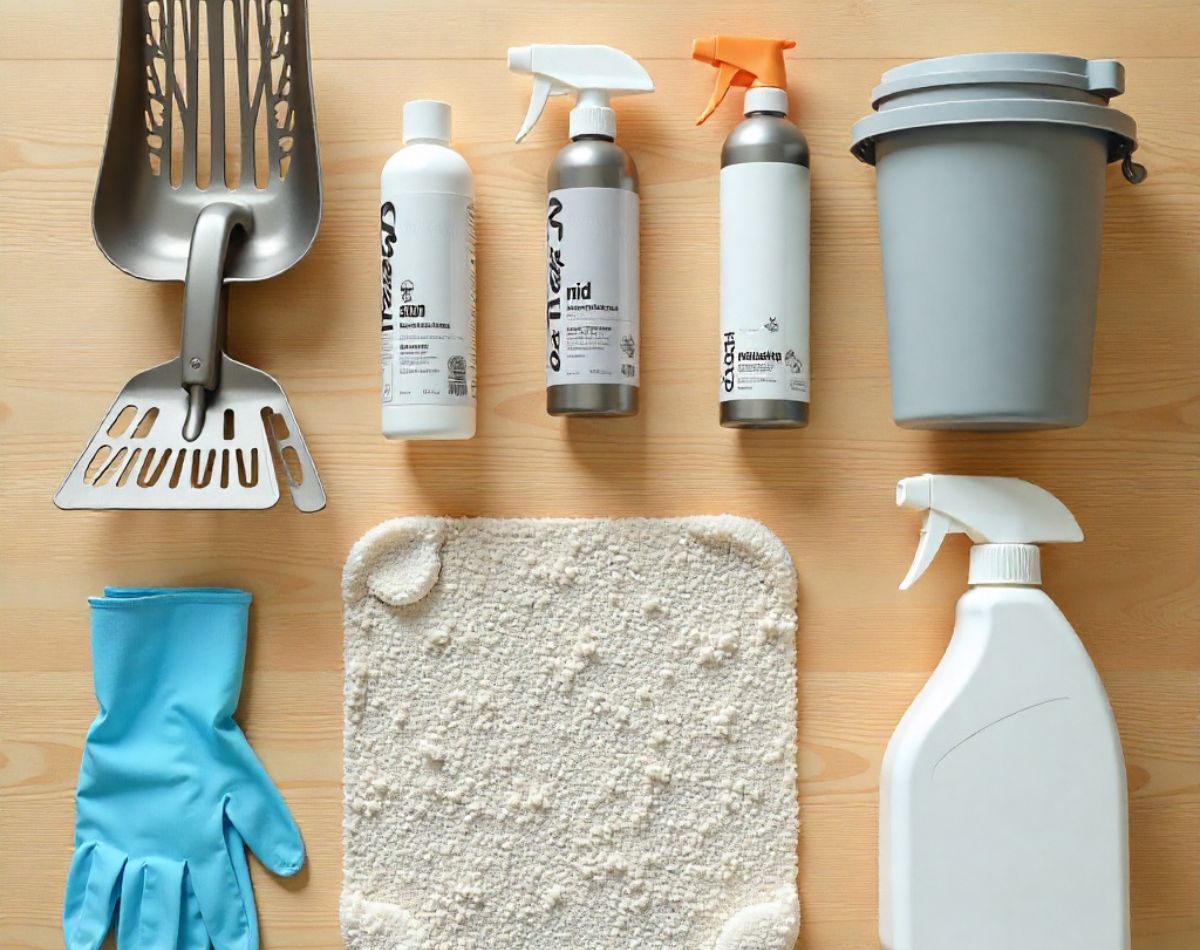
Gather these must-haves for effortless upkeep. A sturdy litter scoop removes waste quickly. Don’t forget disposable gloves to stay hygienic during tasks.
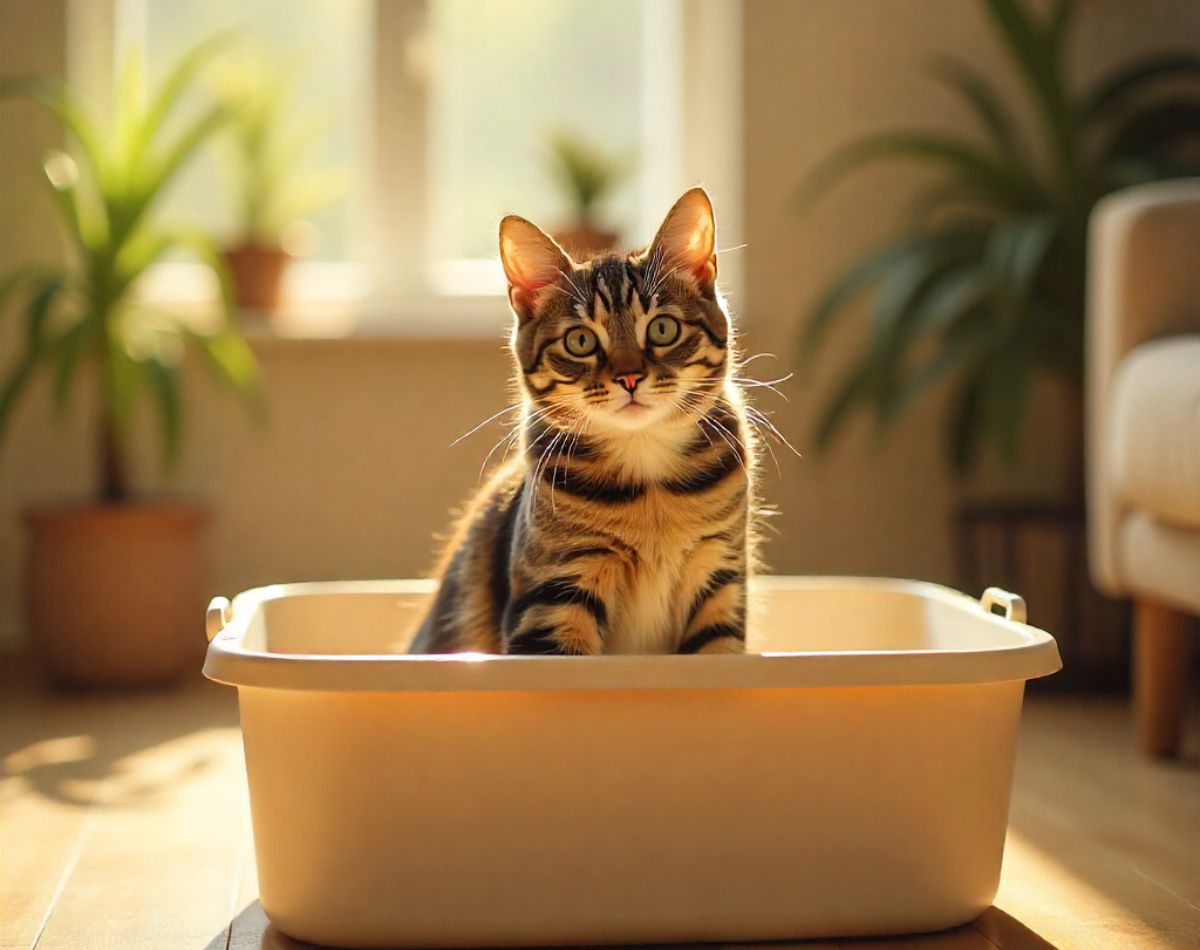
Measure your cat from nose to tail length to select a box that’s at least 1.5 times that size, allowing room to turn and dig comfortably. Designs like top-entry litter box appeal to privacy-loving cats, reducing litter tracking outside. Avoid cramped or unstable models, as they can deter use and lead to more frequent deep cleans.
Picking the best cat litter (clumping, non-clumping, natural, flushable)
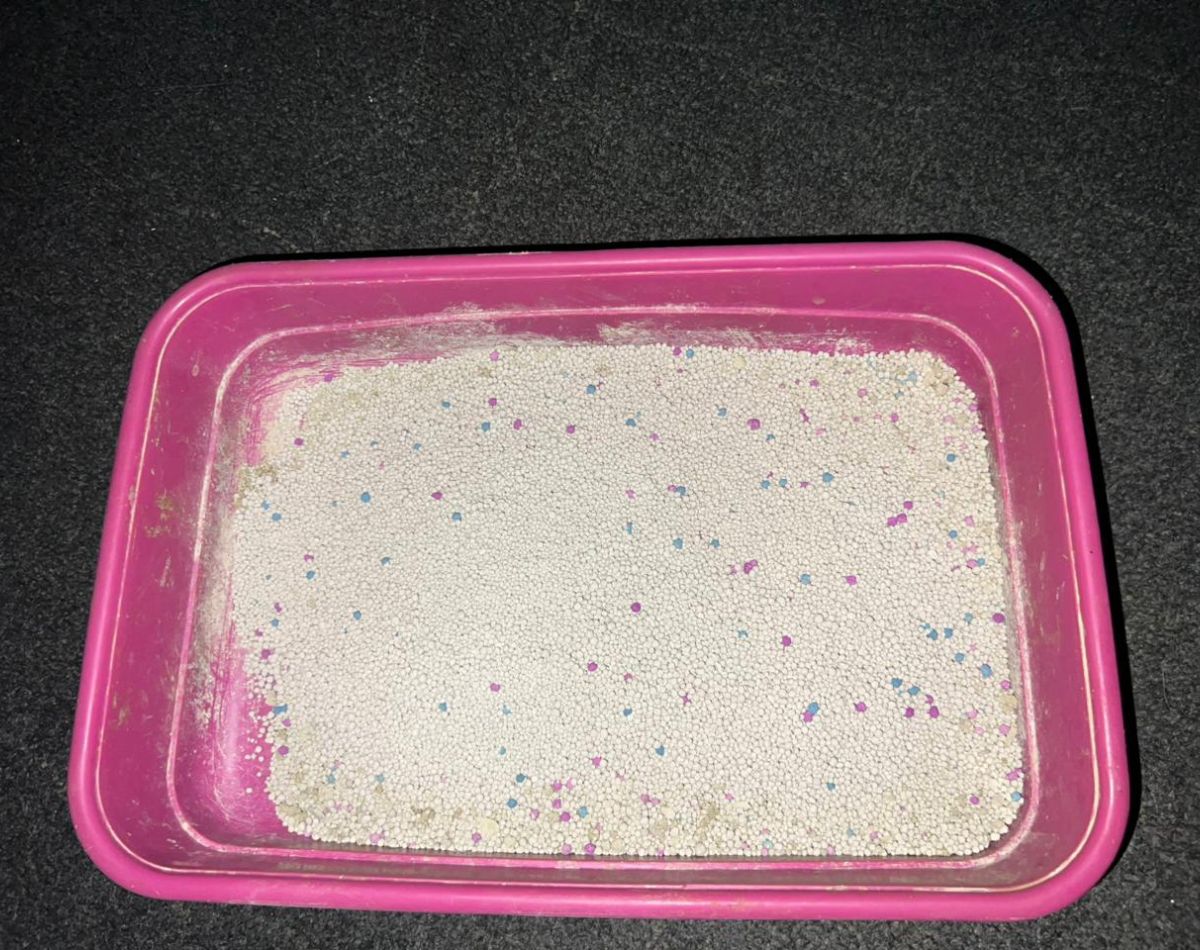
Clumping litter forms tight balls for easy scooping litter, ideal for odour control, but it can be dusty. Non-clumping litter absorbs well without sticking, though it requires full changes more often.
Natural plant-based litter options like corn litter, wood pellet litter, or tofu cat litter are eco-friendly and low on dust, with pros including biodegradability but cons like weaker clumping in some types. Flushable litter offers convenience for disposal, yet check your plumbing first to avoid blockages.
Ideal litter box placement at home
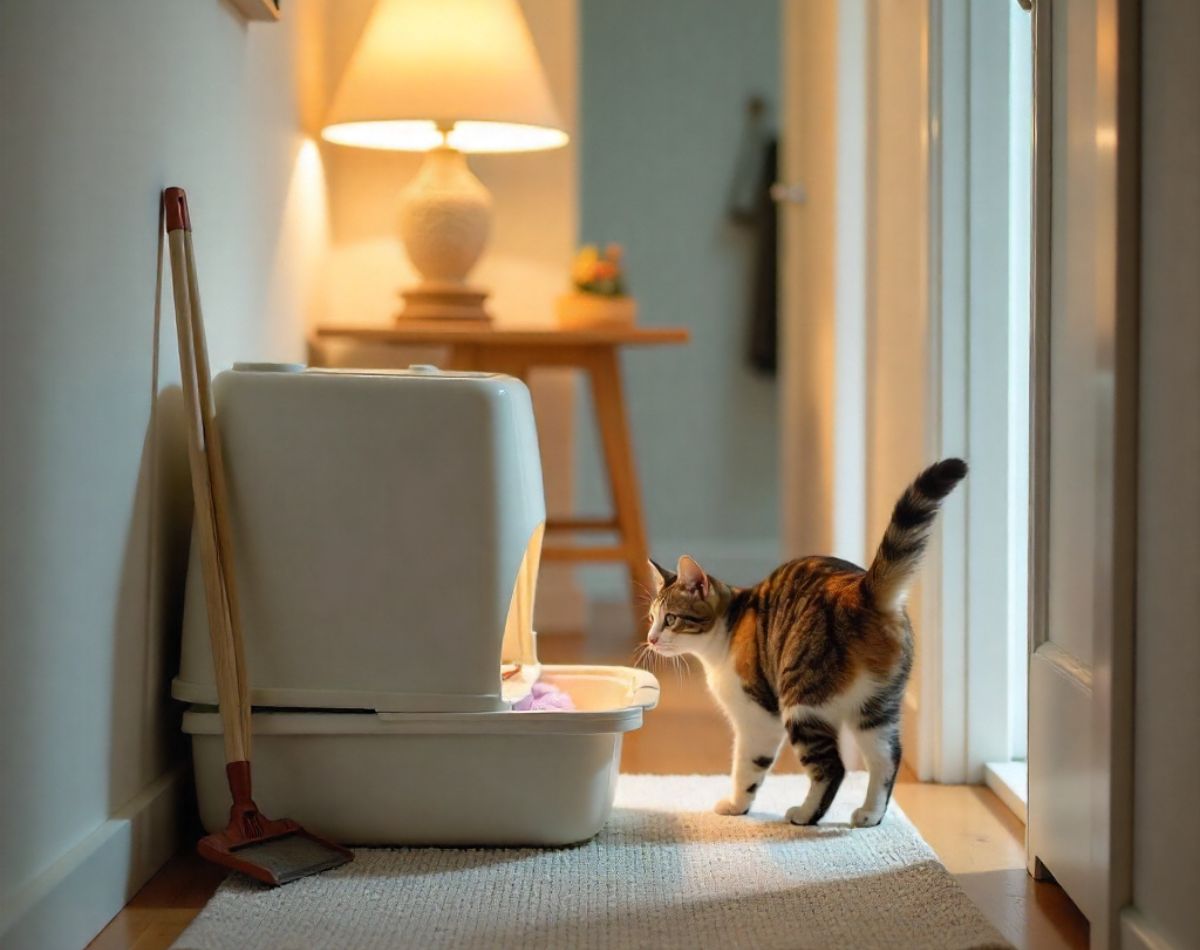
Opt for quiet corners away from noisy appliances to promote consistent use and reduce litter box avoidance. Good ventilation helps dissipate odours naturally, while accessibility ensures older cats or kittens can reach it easily. Avoid placing near food bowls, as cats prefer separation for hygiene reasons.
Daily Litter Box Cleaning Routine
Scooping clumps and solid waste
Target wet spots and solids first to prevent them from hardening and sticking to the box. Quick removal stops bacteria growth and keeps the litter drier longer. In multi-cat households, this step is crucial to avoid territorial disputes over unclean areas.
Refreshing litter as needed
After scooping, stir the remaining litter to distribute it evenly and add fresh amounts to maintain depth. This prevents uneven wear and ensures feline comfort during use. Choose odour neutralising litter for extra freshness without overwhelming scents.
Proper waste disposal and hand washing
Use biodegradable bags for eco-friendly disposal, tying them securely to trap smells. Always wash hands with soap for at least 20 seconds afterwards. Antibacterial options provide added protection, especially in homes with immune compromised people.
Deep Cleaning the Litter Box
Deep cleaning elevates how to clean a cat litter box by removing hidden residues that daily scooping misses. Empty the entire contents weekly, then scrub with safe agents to sanitise thoroughly. This process eliminates stubborn odours and prevents bacterial build-up, ensuring the box remains hygienic.
Step-by-step deep cleaning process
Dump old litter into a strong bag for disposal, then rinse the box with hot water to loosen debris. Scrub all surfaces with a brush, focusing on corners where build-up hides. Rinse multiple times and dry fully before refilling to maintain cleanliness.
A mix of equal parts vinegar and water acts as a natural disinfectant, neutralising odours without harm. Mild detergent cuts through grime gently, suitable for plastic boxes. These are veterinarian recommendation choices for safe, effective cleaning.
What to avoid (harsh chemicals, scented cleaners)
Bleach or ammonia can create fumes that bother cats and damage box materials. Scented cleaners often mask rather than eliminate problems, potentially causing litter box avoidance. Stick to unscented options for better results.
Scoop every day to remove waste and control smells, contrasting with weekly full empties for thorough sanitation. Monthly deep cleans work for lighter use, but increase frequency if odours linger. This balance maintains hygiene without excess effort.
Signs it’s time to replace the litter box entirely
Look for lingering smells post-cleaning or visible damage like warping. If cleaning doesn’t restore freshness, bacteria might be embedded. Replace to uphold standards and prevent health risks.
Special Situations in Litter Box Cleaning
Who should avoid cleaning (pregnant/immune compromised owners)
Those at risk from toxoplasmosis, like pregnant or immune-compromised owners, should let others handle it. The parasite poses dangers if ingested, so precautions are essential. Vet guidance helps manage this safely.
Using automatic/self-cleaning litter boxes
These devices rake waste automatically, saving time and reducing exposure. Clean sensors weekly for reliability. They’re great for multi-cat setups, though initial costs are higher. For more on options, check Litter-Robot’s guide.
Is flushable litter safe?
Cassava litter or similar flushable biodegrade well in modern systems, but test small amounts first. Avoid with older pipes to prevent clogs. It’s eco-friendly when used right.
Common Litter Box Problems and Solutions
Addressing common hurdles in how to clean a cat litter box keeps your routine smooth. Cat peeing outside the litter box often stems from medical issues like urinary tract infection in cats or stress, fixed by vet checks and cleaner boxes.
Controlling odours daily involves sprinkling baking soda for litter box or using covered litter box designs to trap smells. If the litter box still smells after cleaning, switch to low-dust litter or add an enzyme cleaner to break down residues thoroughly.
Solutions like these restore harmony quickly. For urine outside litter box, rule out behavioural causes with cat behaviourist advice. Facts highlight that proper maintenance cuts these problems by 80 percent in most homes.
How to Keep the Area Around the Litter Box Clean
Reducing litter tracking and scatter
Select low-tracking varieties and trim paw fur if needed. Place on hard floors for easy wiping. This minimises mess spread throughout your space.
Sprinkle baking soda around for odour absorption. Use wipes for spot cleans. These tricks keep areas fresh between full routines.
Expert Tips for Stress-Free Litter Box Maintenance
One box per cat rule (plus an extra)
Provide one per cat plus one more for choice and privacy. Space them out to avoid bullying. This fosters harmony and consistent use.
Best practices for multi-cat households
Monitor interactions and clean often to handle higher waste. Separate food and litter areas. This maintains balance and reduces odours.
Encouraging good litter habits in cats
Praise with treats and keep boxes inviting. Address avoidance early with vet input. This builds lifelong positive behaviours.
These tips promote peace and hygiene. Facts from experts, such as from the RSPCA, emphasise quiet locations to lower stress. Patience turns challenges into routines.
Alvina is a dedicated cat owner and feline care enthusiast with hands-on experience caring for multiple cats. She shares practical, research-backed guidance on cat training, nutrition, and behaviour through KittyCornerBlog, helping cat parents make informed, responsible care decisions.