How Hot Is Too Hot for Cats? Signs of Overheating and Safe Temperatures
Cats are warm-blooded animals, which means they can normally control their own body temperature. But just like people, cats can struggle when the weather gets too hot. Knowing what temperature is safe for cats is very important, because extreme heat can affect their health and even become life-threatening.
While a cat’s normal body temperature stays between 100.5 and 102.5°F, hot environments can cause overheating, fever, or even heatstroke. Many cat owners don’t realize how quickly heat can build up, especially in cars or closed rooms. Understanding the right temperature range helps you keep your cat safe and healthy all years.
Do Cats Get Overheated?
Cats do get overheated, particularly when exposed to temperatures that overwhelm their thermoregulation in cats, as their hypothalamus struggles to signal effective cooling responses like panting or salivating for evaporative cooling.
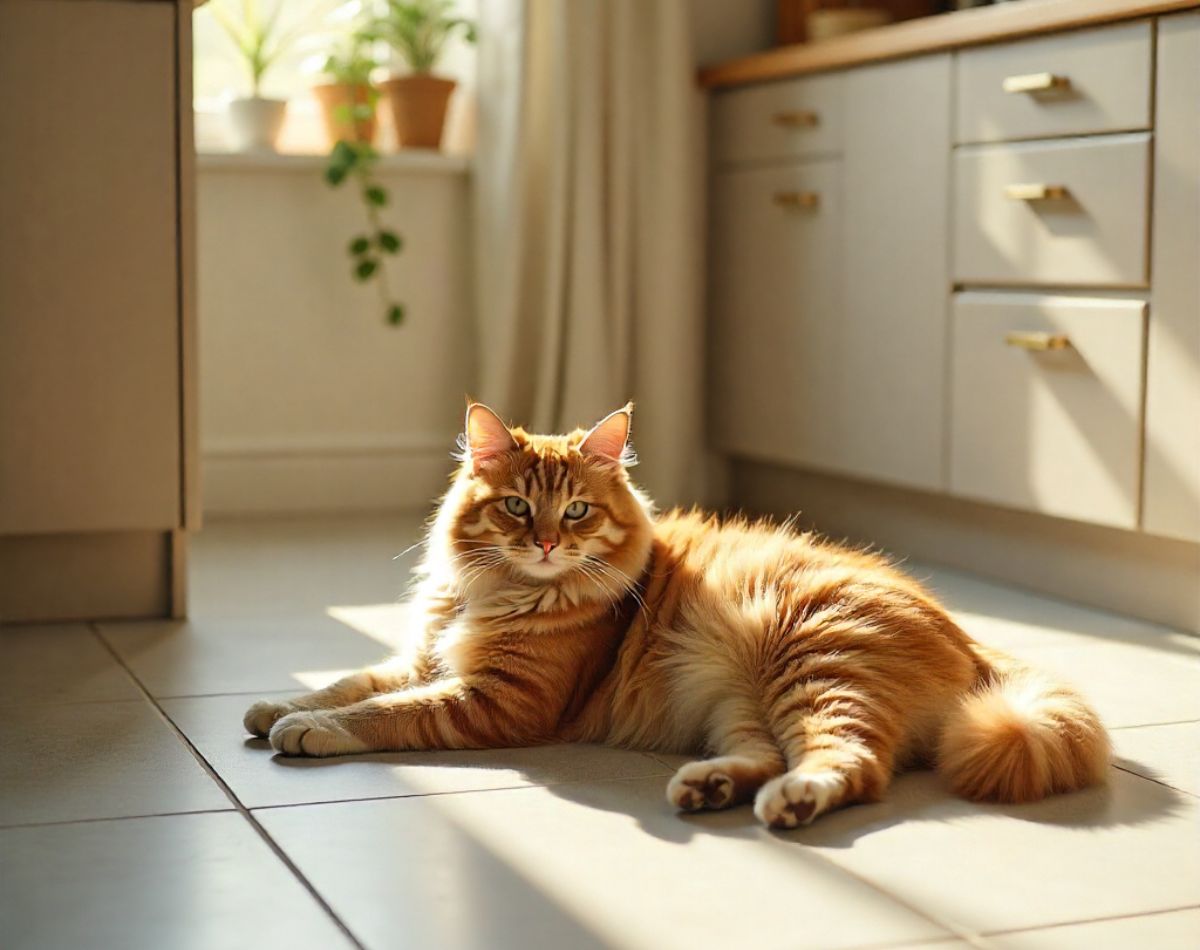
In hot environments, cat body temperature can rise above the normal cat temperature of 101 to 102.5 degrees Fahrenheit, leading to decreased energy and incoordination if conduction cooling on tile floor cooling cats is insufficient, and without access to shade or fresh water, this can progress to hyperthermia in cats with risks of vomiting or diarrhea from inflammation.
Overheating in cats is more likely in enclosed spaces or during hot weather and cats, where environmental heat stress causes rapid fluid loss, heightening dehydration risks and potential organ damage, so proactive cat summer safety includes using a cat window perch in breezy areas or a heated cat bed only in cooler seasons to avoid adding warmth.
What Temperature Is Too Hot for Cats?
Temperatures above 85 degrees Fahrenheit often become too hot for cats, as this exceeds their thermoneutral zone where they can maintain safe temperature for cats without extra effort, and high humidity reduces the effectiveness of evaporative cooling through panting, potentially elevating cat body temperature to dangerous levels.
At 100 degrees Fahrenheit or more, hyperthermia in cats sets in, mimicking fever in cats but caused by external heat rather than immune-mediated disease, leading to heavy breathing and salivating as the body attempts to compensate.
Safe temperature for cats indoors should stay below 80 degrees to prevent environmental heat stress, but in extremes, even brief exposure can cause pyrexia-like states with tremors or bright-red gums, so monitoring with tools like air conditioning is essential for keeping cats cool in summer.
What Happens When Cats Get Too Hot?
Heat exhaustion (mild overheating)
Heat exhaustion as mild overheating involves early rises in cat body temperature, around 103 degrees Fahrenheit, leading to panting, lethargy, and drooling as evaporative cooling kicks in, but decreased energy and incoordination signal the need for immediate hydration and shade to prevent progression to more severe inflammation or dehydration risks.
Heatstroke (severe overheating)
Heatstroke as severe overheating occurs when temperatures exceed 104 degrees Fahrenheit, causing seizures, tremors, and bright-red gums from vascular changes, with risks of organ damage, kidney failure, or disseminated intravascular coagulation (DIC) requiring emergency cat care to restore thermoregulation in cats.
Dehydration risks
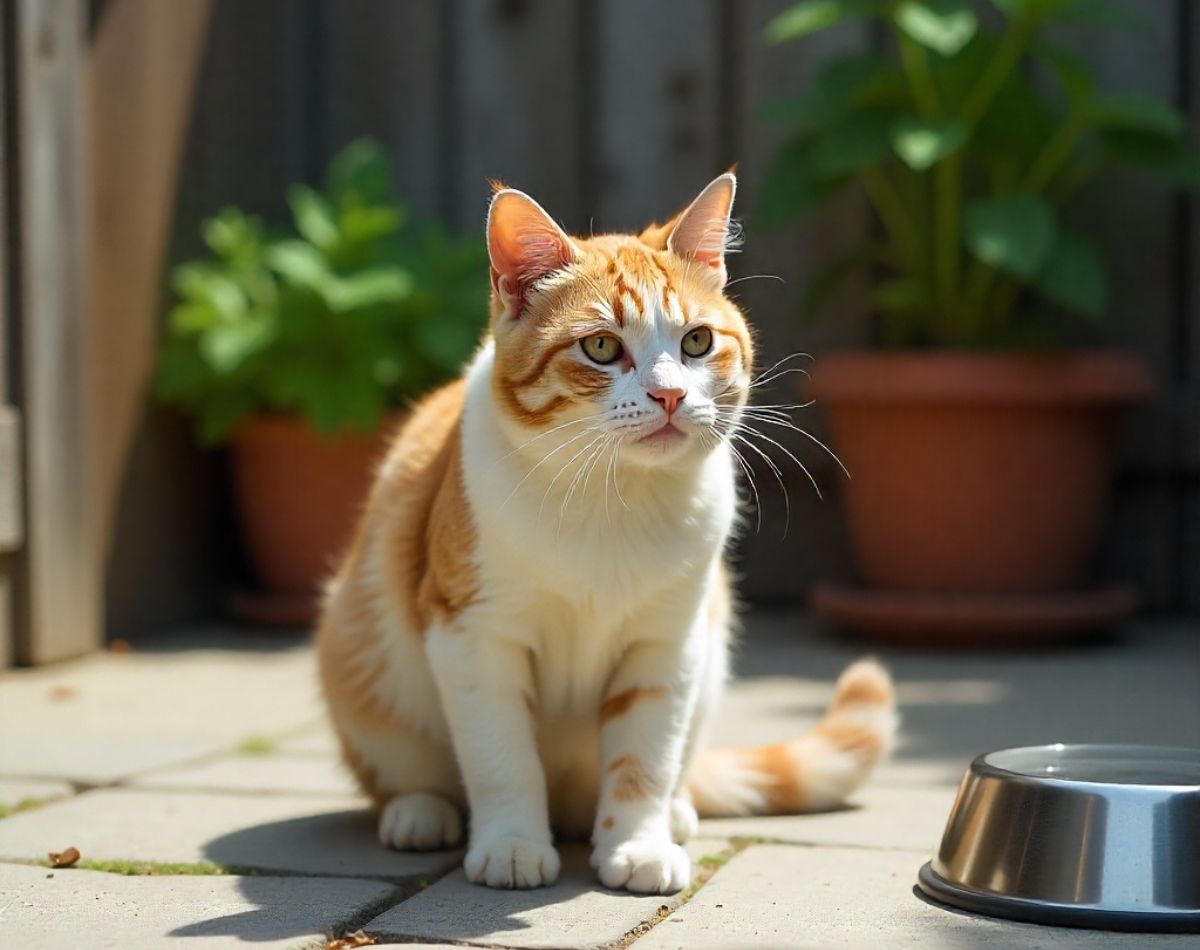
Dehydration risks amplify in heat, as rapid fluid loss from heavy breathing and salivating thickens blood, leading to blue gums or nose bleeding from clotting disorders, and without a cat water fountain for constant hydration, this can cause vomiting, diarrhea, and collapse, worsening hyperthermia in cats.
Which Cats Are More Sensitive to Heat?
Flat-faced breeds and obese cats are more sensitive to heat, as their anatomy impairs panting for evaporative cooling, making thermoregulation in cats harder and raising cat body temperature faster under environmental heat stress, while seniors or kittens face higher risks of overheating in cats due to underdeveloped systems.
Long-haired cats trap warmth, increasing dehydration risks and inflammation, so tailored cat summer safety like light grooming helps maintain normal cat temperature.
Cats with underlying conditions like immune-mediated disease are prone to pyrexia mimicking heat issues, leading to incoordination or salivating sooner, and providing a cooling cat bed or avoiding hot weather and cats exposure protects them from organ damage or clotting disorders.
What Is the Ideal Temperature for Cats?
The ideal temperature for cats is 68 to 79 degrees Fahrenheit, creating a thermoneutral zone where they conserve energy without straining thermoregulation in cats, keeping cat body temperature at the baseline temperature cat of around 101 degrees Fahrenheit and preventing overheating in cats from environmental heat stress.
This range supports hydration and avoids decreased energy, with adjustments like fans for conduction cooling if warmth rises. Slightly warmer spots like a heated cat bed suit some, but exceeding 80 degrees risks heavy breathing or salivating, so indoor monitoring ensures safe temperature for cats and cat summer safety. For more details, visit PETMD
Can Cats Survive Extreme Heat?
Cats can survive extreme heat with quick intervention, but without it, hyperthermia in cats leads to seizures, collapse, and organ damage as the hypothalamus fails, causing inflammation and potential kidney failure from dehydration risks in hot weather and cats.
Survival depends on evaporative cooling through panting and access to shade, but prolonged exposure often results in clotting disorders or disseminated intravascular coagulation (DIC).
Providing tools like a cat water fountain and tile floor cooling cats boosts chances, emphasizing emergency cat care if symptoms like vomiting or bright-red gums appear.
Signs Your Cat Is Too Hot
Early warning symptoms (panting, lethargy, drooling)
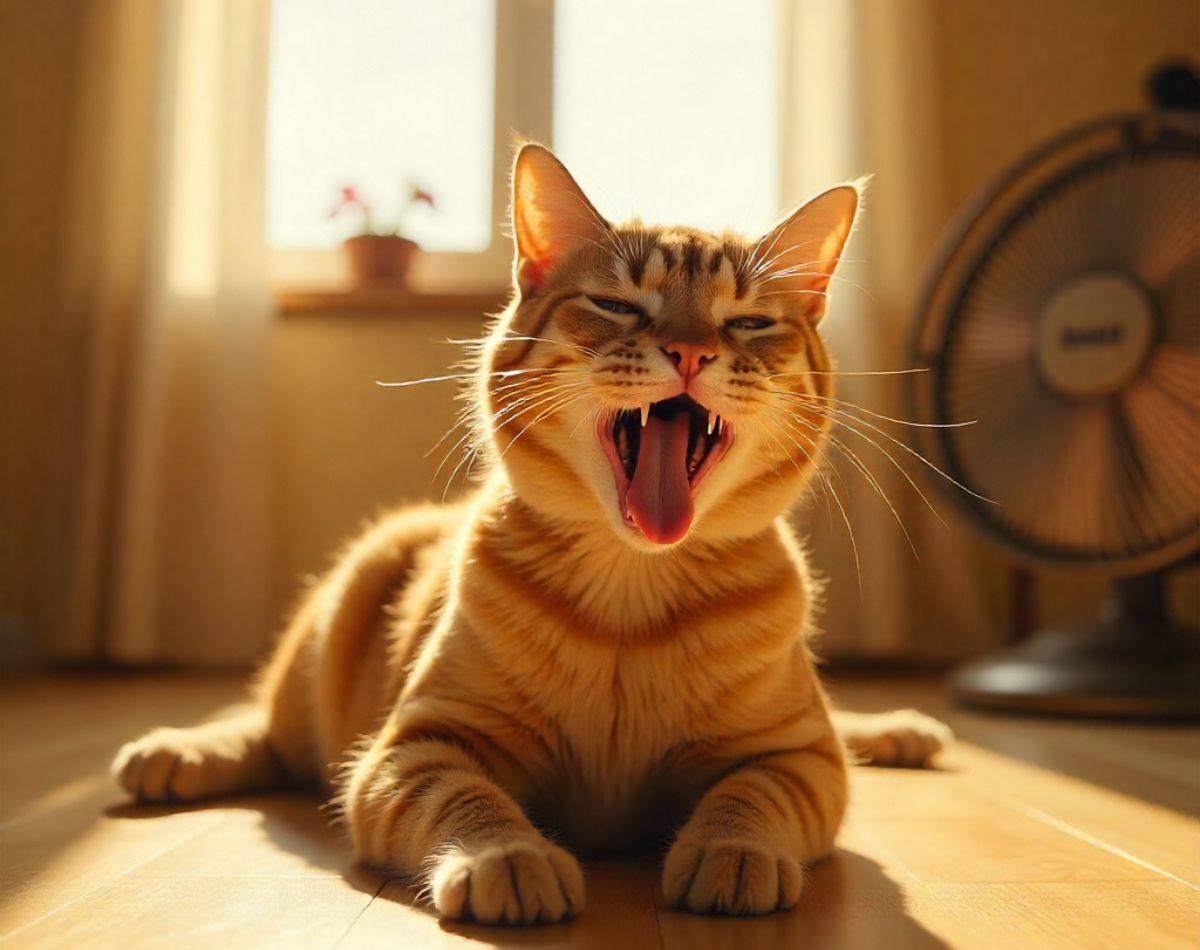
Early warning symptoms like panting, lethargy, and drooling show the cat’s attempt at evaporative cooling and conduction cooling, but if hydration falters, decreased energy and incoordination follow, signaling mild overheating in cats that can be reversed with shade and water.
Emergency symptoms such as seizures, collapse, and bright-red gums indicate severe heatstroke in cats, with risks of tremors, vomiting, and kidney failure from inflammation, demanding prompt cooling and veterinary exam cat.
Call the vet if signs like persistent panting or lethargy persist, as these could escalate to heatstroke in cats with organ damage or clotting disorders, and a veterinary exam cat will check cat body temperature to differentiate from fever in cats caused by immune-mediated disease.
Immediate action prevents pyrexia-like states leading to collapse or diarrhea. Even mild symptoms warrant consultation if unresolved, ensuring safe temperature for cats through professional advice on cat summer safety. Learn more at CAT
Alvina is a dedicated cat owner and feline care enthusiast with hands-on experience caring for multiple cats. She shares practical, research-backed guidance on cat training, nutrition, and behaviour through KittyCornerBlog, helping cat parents make informed, responsible care decisions.