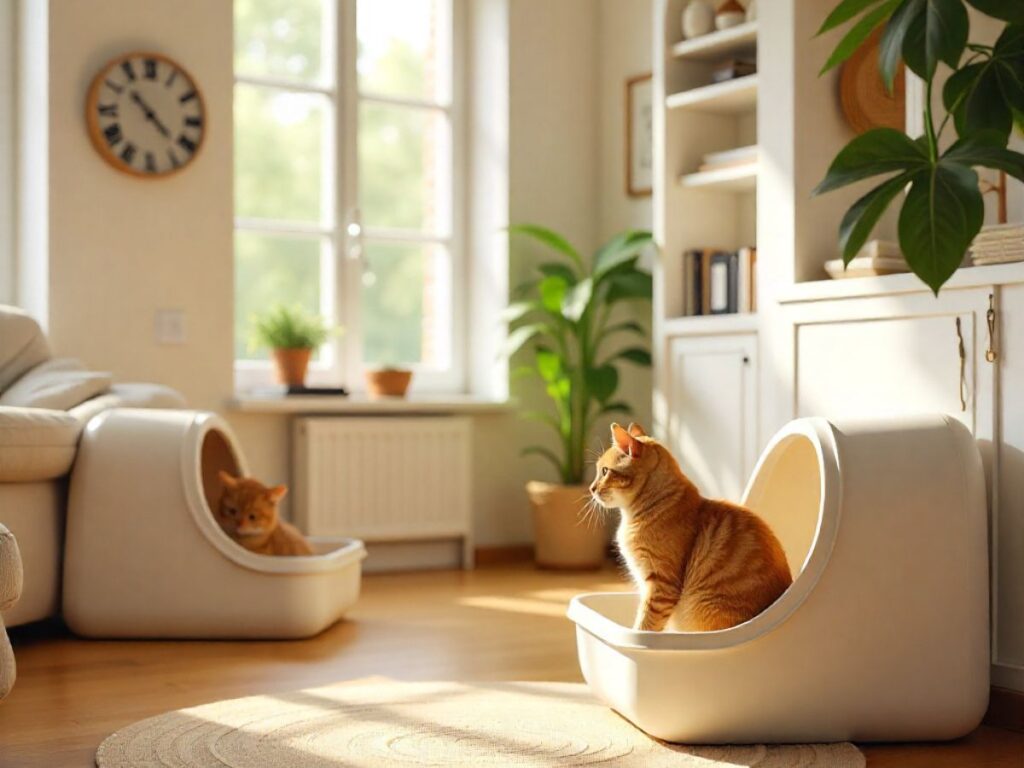
Litter box problems in cats can often lead to unwanted accidents around the house, leaving pet owners frustrated and concerned. While most felines naturally take to using their litter box, there are times when medical, behavioral, or environmental issues interfere with this habit. A cat avoiding the litter box is not just a messy inconvenience but may also signal an underlying health or stress-related problem.
From urinary tract infections to anxiety or even a dirty litter box, the reasons can vary widely. Understanding the root causes is the first step to finding effective solutions. With proper care, training, and adjustments, most cats can be guided back to consistent litter box use, preventing future accidents and keeping both cat and owner happy.
Why Cats Avoid the Litter Box
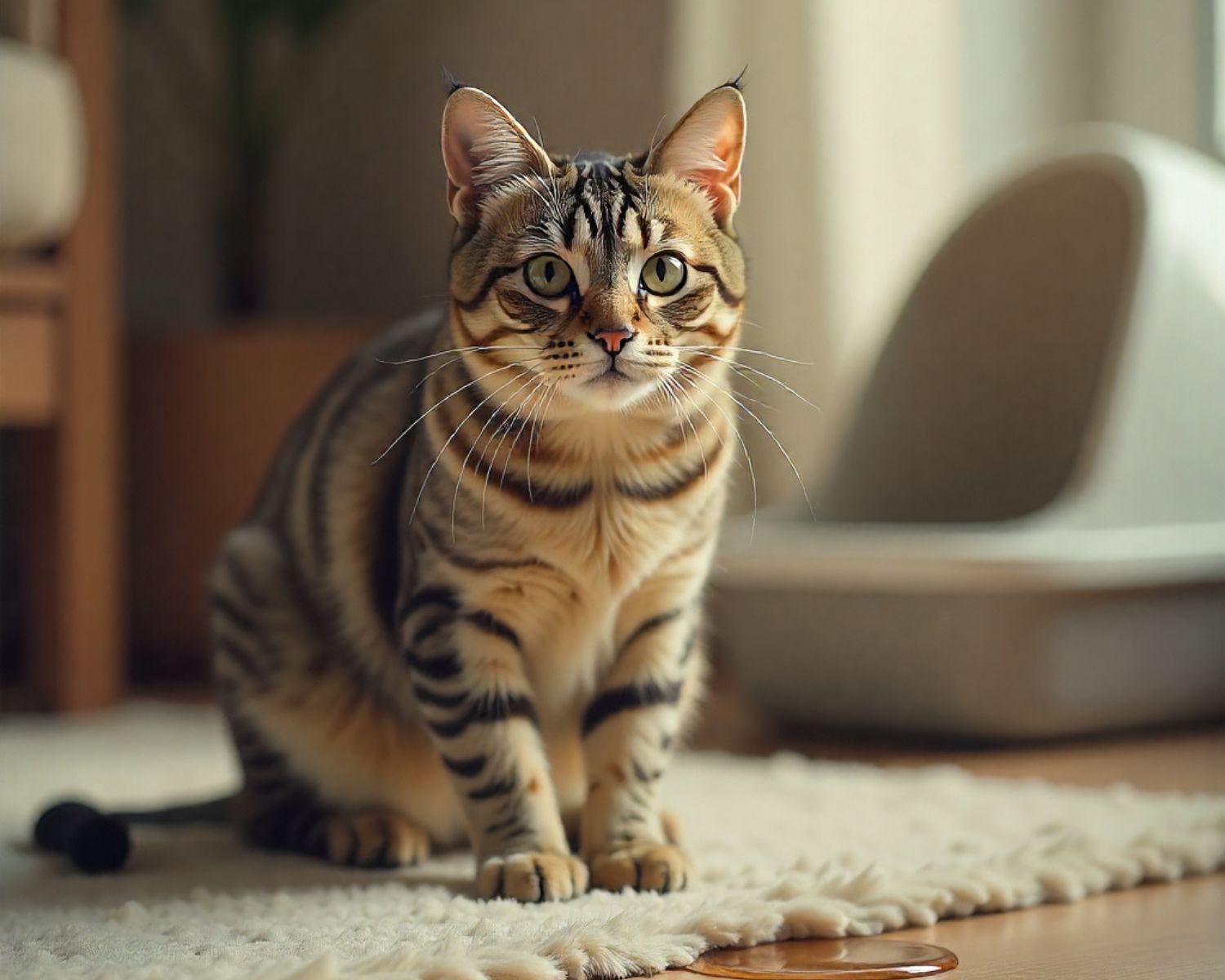
Cats are creatures of habit, and when they start avoiding the cat litter box, it often signals discomfort or dissatisfaction. Litter box avoidance might occur because the box feels unsafe or unclean, leading to stress and anxiety. For instance, in a multiple cat household, one feline might bully another away from the box, causing territorial behavior. Owners notice changes like sudden accidents on carpets or beds, which can frustrate everyone involved. Recognizing these signs early helps prevent escalation into chronic issues.
Sometimes, deeper factors play a role, such as past negative experiences associating the box with pain. Stress in cats from routine changes or outdoor cats teasing through windows can trigger this avoidance too. By observing your pet’s cat toilet habits, you can pinpoint patterns, like eliminating right after meals or in hidden spots. Addressing these thoughtfully rebuilds trust and encourages proper use.
Health issues often spark litter box problems in cats. A urinary tract infection (UTI) makes urination hurt, so cats avoid the box. Kidney disease ramps up urgency, leading to accidents, while diabetes in cats increases urine output, overwhelming small boxes.
Arthritis in cats, common in older cats or senior cats, makes climbing into a high-sided litter box tough. A vet check is crucial to catch these early. Fun fact: Some cats with blockages vocalize distress, a red flag for urgent care.
Behavioral Causes
Behavioral issues like spraying often signal stress or marking territory, especially in un-spayed or unneutered cats. Anxiety from household changes or outdoor cats teasing through windows prompts inappropriate elimination.
In a multiple cat household, bullying blocks box access. Pheromone diffusers ease tension, but stubborn cases need a certified cat behaviorist. Think of it like a cat holding a grudge—past scares shape their choices.
Environmental Causes
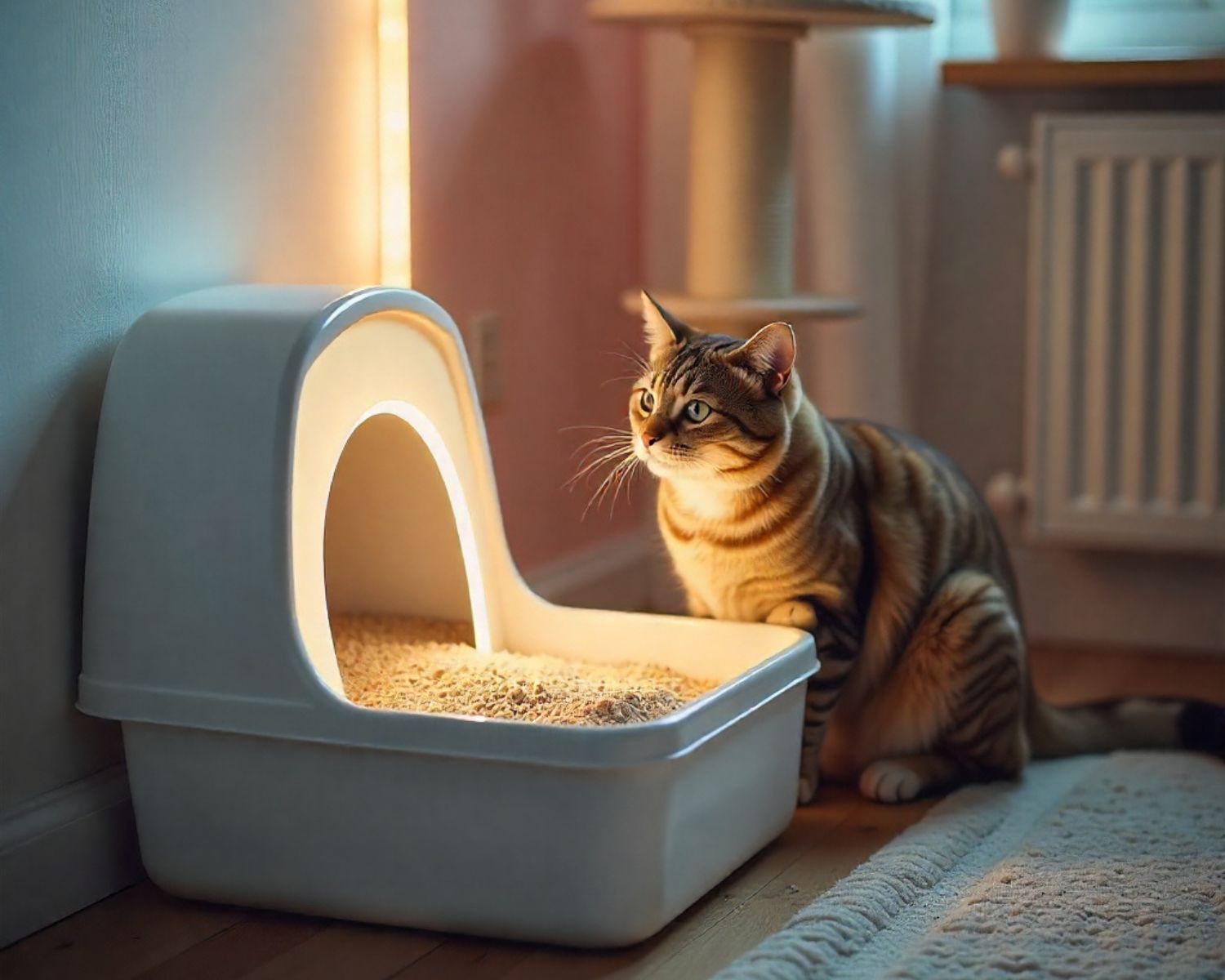
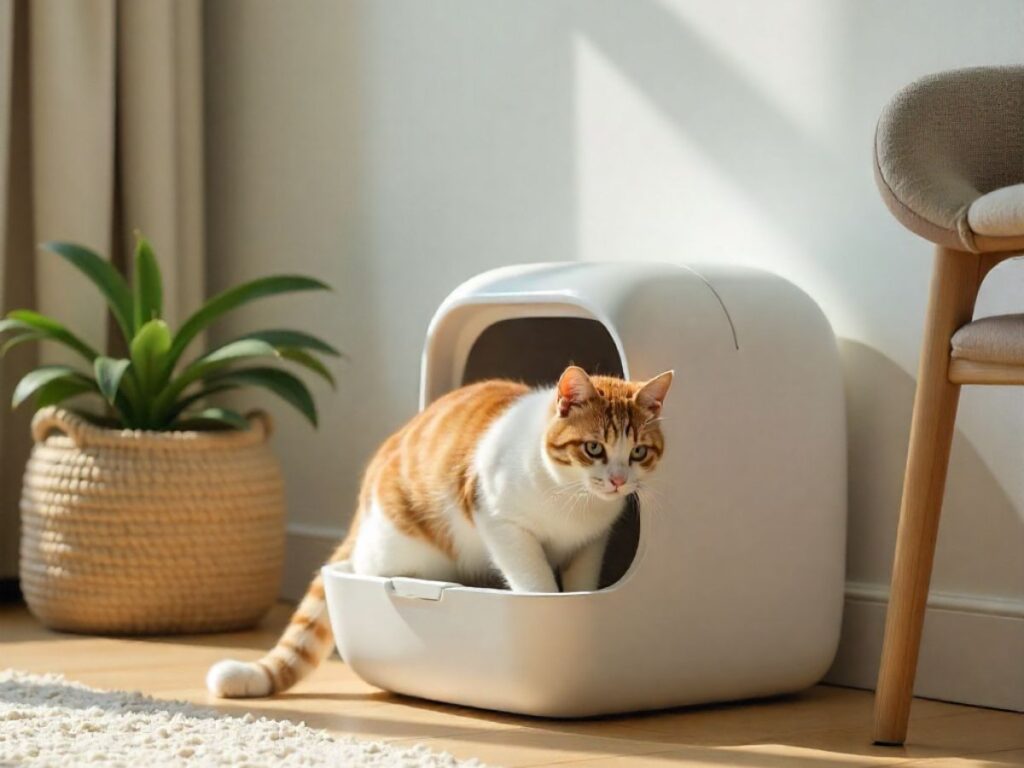
The setup of the cat litter box matters a lot. A bad litter box location, like near a loud washing machine, scares cats off. Covered litter box designs trap odors, turning cats away, while an open litter box feels safer. Scented litter irritates sensitive noses, unlike unscented litter. Keeping litter depth at 2–4 inches supports natural digging. For a unique tip, try glow-in-the-dark strips near boxes to guide cats in .
Too few boxes cause trouble in big homes, especially for multiple cat households. A large litter box suits bigger breeds, while senior cats prefer low-sided ones. Dirty boxes repel fastidious felines, so scooping litter daily and washing litter box weekly keeps things fresh. Systems like Tidy Cats litter or Breeze litter system help with odor control, easing the unpleasant chore for owners.
Lifestyle & Routine Causes
Sudden routine changes, like a new pet or moving homes, unsettle cats, leading to adjustment issues for new cats. Less playtime builds frustration, messing with cat toilet habits. Diet switches alter bowel patterns, and aging slows mobility in older cats.
Crowded spaces spike multi-cat conflict. Adding cat trees and shelves offers escape routes. Ease changes slowly, like coaxing a friend into a new hobby.
Solutions to Litter Box Problems
Fixing litter box problems in cats takes a mix of health checks, environment tweaks, and patience. Start with a veterinarian to rule out pain. Adjust the setup to match preferences. Training builds good habits, and pros help with tough cases. With effort, you’ll see your cat return to the box happily.
Try a combo of fixes for best results. Clean accidents with enzyme cleaners to nix odors. Offer different litter types like clumping litter to find their favorite. Track progress daily and cheer small wins. Your cat feels your care, and prevention stops future woes.
Health Solutions
First, tackle health issues with a vet check. Treat urinary tract infection (UTI) or kidney disease quickly to ease pain. Manage diabetes in cats with diet and meds. For arthritis in cats, switch to a low-sided large litter box.
Trim hind fur on long-haired cats to avoid discomfort. In multiple cat households, fluorescein dye spots the culprit. Meds can calm anxiety-driven issues, keeping boxes in use.
Behavioral Solutions
Neutering slashes spraying by 90 percent, curbing territorial behavior. Boost playtime to burn off energy and reduce stress in cats. Feliway diffusers soothe anxiety. Reward box use with treats, never punish—it worsens fear. Separate cats in multi-cat conflict briefly. It’s like patching up a friendship with slow, steady trust-building.
Environmental Solutions
Make the cat litter box inviting to solve litter box problems in cats. A few tweaks can turn things around fast. Cats are picky, but simple changes create a welcoming space. Adjust based on your cat’s needs to keep them happy.
Scoop Daily, Change Litter Weekly
A stinky litter box turns cats away, so scoop waste every day to keep it fresh. Swap out all litter weekly to stop buildup that leads to inappropriate elimination. This mimics their instinct for a clean space, encouraging regular use. Pair with unscented litter for best results.
Use Unscented, Clumping Litter
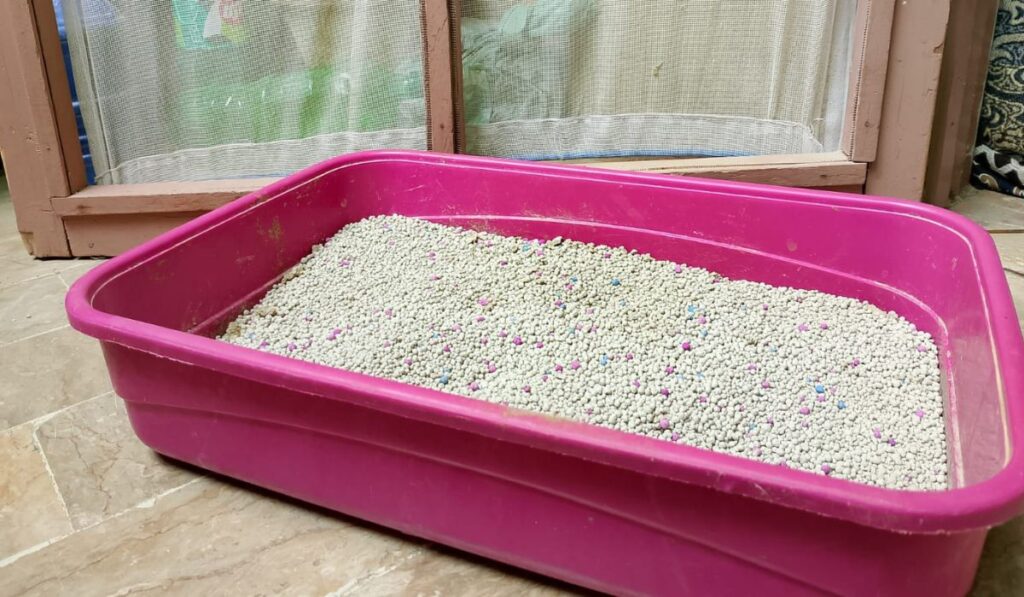
Cats love unscented, clumping litter because it feels natural and controls odors without stinging their noses. Scented litter can cause peeing outside the litter box. Keep litter depth at 2–4 inches for easy digging. Try brands like Tidy Cats litter to match their preference.
Provide a Large, Open Litter Box If Needed
A large litter box or open litter box gives cats room to move, especially for big breeds or senior cats. Covered litter box designs can feel tight, leading to avoidance. A spacious, low-sided box helps with arthritis in cats and boosts comfort.
Place in Quiet, Private, Accessible Spot
A noisy litter box location, like near a washing machine, scares cats off. Pick a quiet, private spot with easy access and multiple exits to cut stress in cats. This setup avoids multi-cat conflict and encourages use. Glow strips help in dark areas.
Rule of Thumb: One Box Per Cat + One Extra
In a multiple cat household, use one cat litter box per cat plus one extra. This stops queues and eases territorial behavior. Too few boxes lead to pooping outside the litter box. Spread boxes around the home for easy access.
Training Solutions
Retraining cats starts with confining cat in litter room to focus on the box. Slowly expand their space as habits form. Place the box in soiled spots first, then shift it gradually. Use positive reinforcement with treats after use.
Enzyme cleaners wipe out odors for easy cleanup solutions. Guide cats to the box after eating or playing near litter box to build habits. It’s like teaching a kid a new skill—steady wins the race
Professional Help
When home fixes don’t work, call in a certified cat behaviorist or vet for tailored plans. They might suggest meds for severe anxiety. Check sites like ASPCA for tips. Pros turn tricky cases around, ensuring your cat’s cat toilet habits improve for good.
Alvina is a dedicated cat owner and feline care enthusiast with hands-on experience caring for multiple cats. She shares practical, research-backed guidance on cat training, nutrition, and behaviour through KittyCornerBlog, helping cat parents make informed, responsible care decisions.